
 Your Guide to a Winning Influencer Marketing Campaign
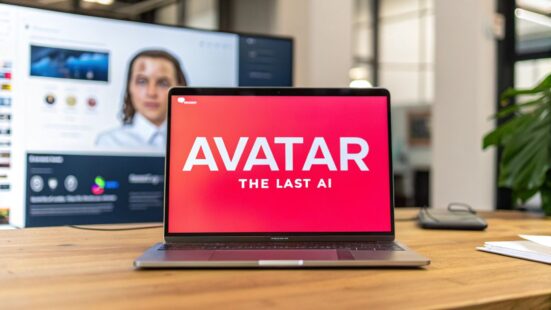
First off, let's clear something up. "Avatar the Last AI" isn't the name of a new show you missed on Netflix. It's a massive marketing trend that cleverly blends the cultural tidal wave of Avatar: The Last Airbender with the power of artificial intelligence.
This fusion is giving brands a way to create incredibly relevant content that scales, all while tapping into a fanbase that is deeply, deeply engaged. It’s a game plan for converting pure cultural hype into real-world marketing wins.
Table of Contents
Understanding The Avatar The Last AI Trend

At its heart, the Avatar the Last AI phenomenon is all about timing. It’s about knowing when a piece of pop culture gets so big it creates its own gravitational pull, sucking in millions of fans. Think of it like a cultural tidal wave. You can either stand on the shore and watch it go by, or you can grab a board and ride that momentum to carry your brand's message forward.
This particular wave was kicked off by the smash success of Netflix's live-action Avatar: The Last Airbender remake. The show absolutely obliterated streaming records, pulling in 515.3 million hours watched in just the first half of the year. That’s the same as 71.1 million full views.
These numbers made it the fifth most-watched TV series on the entire platform, proving the franchise's staying power. You can dig into the specifics by checking out the full report on its performance.
Seizing The Cultural Moment
This kind of viewership is a golden opportunity for direct-to-consumer (DTC) brands. When a show captures the public’s imagination like this, it creates a shared language. Suddenly, you have a whole new set of references that can make your marketing feel less like an ad and more like an inside joke with your audience.
This is where AI steps in. The "AI" part of the trend is all about using AI-powered creators—or digital avatars—to produce content that plugs directly into this cultural moment. These aren’t just clunky digital puppets. They are sophisticated tools that can:
- Speak to Niche Audiences: You can create content that references specific Avatar characters, inside jokes, or story themes that only true fans would get.
- Scale Content Production: Instead of one big, expensive video shoot, you can generate dozens of ad variations for different platforms without the logistical nightmare.
- Maintain Authenticity: The content can be produced in a user-generated content (UGC) style, which hits the right notes with audiences who are tired of polished, corporate ads.
Think of this guide as your playbook for tapping into this synergy. It's about using smart tech to connect with a passionate community, creating authentic content that scales without needing a Hollywood-sized marketing budget.
Ultimately, the Avatar the Last AI trend is a blueprint for agile, culturally-attuned marketing. It’s a perfect example of how brands can forge real connections by aligning their message with the stories people already know and love, setting the stage for deeper engagement and measurable growth.
How AI Avatars Are Actually Created
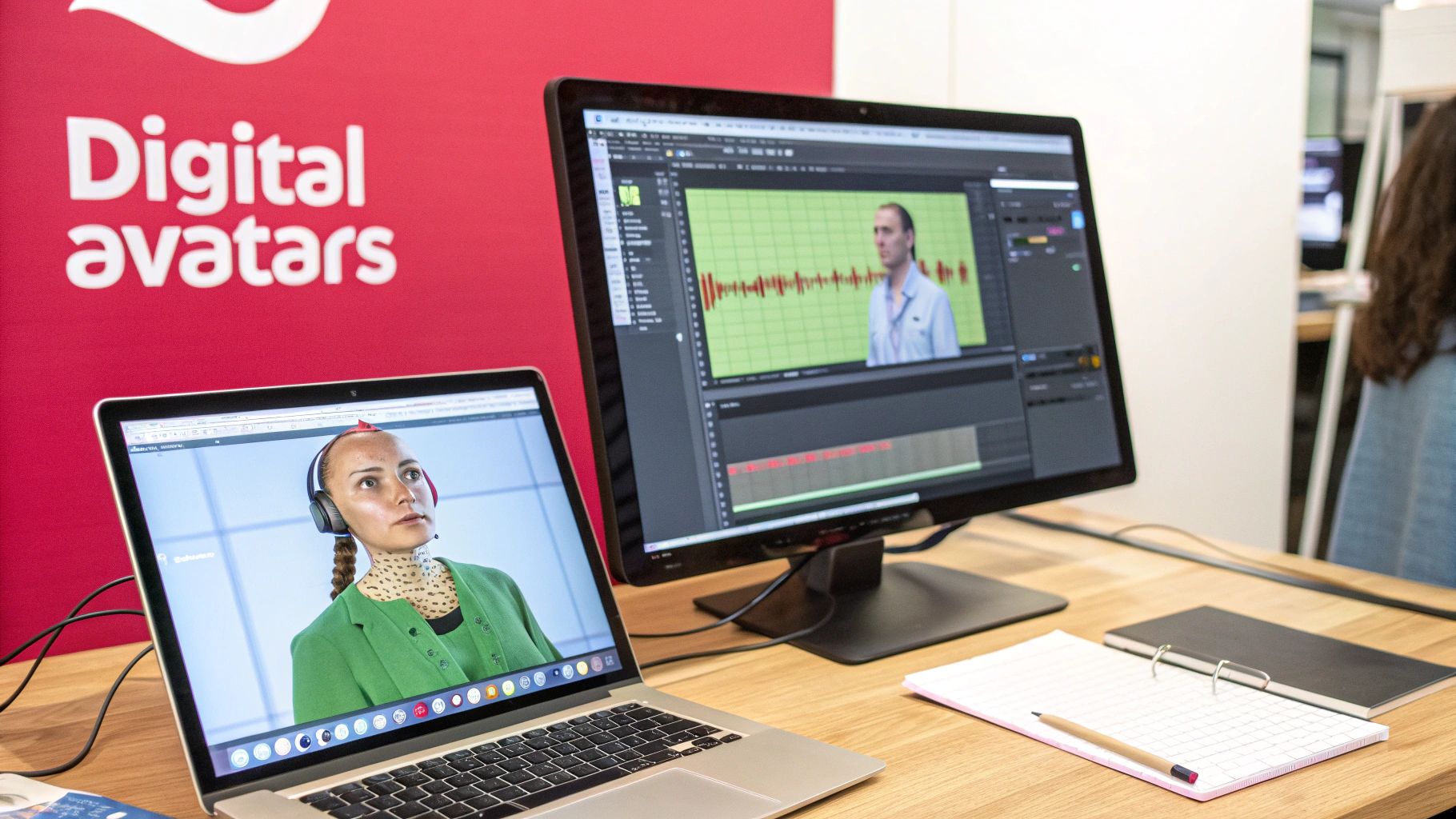
AI avatars aren't magic—they're carefully crafted digital personas, brought to life with generative AI. These avatars can talk, move, and connect with an audience just like a human creator would, but they bring a totally new level of scale to brand content.
Think of an AI avatar as a digital actor you can direct. You hand over the script, set the visual style, and the AI handles the performance for any campaign you can dream up. This unlocks massive potential for A/B testing creative, localizing campaigns for different markets, and producing content at a speed that was never before possible.
There are two main ways to bring these digital actors to the screen. Each has its own strengths and strategic uses, so understanding them is the first step to picking the right approach for your brand.
The Fully Synthetic Approach
The first method is the fully synthetic avatar, which is built entirely from scratch by an AI. This process usually relies on text-to-video models and advanced voice synthesis. You kick things off with a detailed text prompt, and the AI generates a completely new, unique human-like persona.
This approach gives you maximum creative freedom. You get to define every single detail—appearance, voice, personality—to perfectly match your brand identity. No more searching for a real person who fits the exact mold you need.
A fully synthetic avatar is like designing a character for an animated movie. You have complete control over their look and feel, making them a one-of-a-kind asset for your brand.
This method is perfect for brands that want a totally unique spokesperson or digital mascot that is exclusively theirs. It also neatly sidesteps the usual headaches that come with human talent, like usage rights and scheduling conflicts.
The Digital Twin Method
The second path is creating a digital twin. This is where a real human creator licenses their likeness, voice, and even their mannerisms to be animated by AI. The whole process starts with capturing high-quality video and audio of the person.
That data is then used to train an AI model to replicate their appearance and speech patterns with incredible accuracy. Once the twin is ready, a brand can generate brand new video content just by feeding the model a script. The AI animates the digital version of the creator to deliver the lines just as they would.
This technique is incredibly powerful because it blends the scalability of AI with the built-in trust and authenticity of a real influencer. If you've ever wondered how to make an influencer AI, it all starts with this kind of collaborative digital replica. It’s a way to keep that essential human connection that audiences respond to, but at a much larger scale.
Choosing between a fully synthetic creation and a digital twin really boils down to your campaign goals. Let's break down the key differences to help you decide.
Comparing AI Avatar Creation Methods
When deciding which path to take, it’s helpful to see a side-by-side comparison. One offers total creative control, while the other leans on established human connection.
| Attribute | Fully Synthetic Avatars | Digital Twin Avatars |
|---|---|---|
| Origin | Created entirely by AI from text or image prompts. | Based on the likeness and voice of a real person. |
| Authenticity | Can feel less personal; perceived as a brand mascot. | High, leverages the existing trust of a human creator. |
| Creative Control | 100% control over appearance, voice, and personality. | Limited by the real person's existing characteristics. |
| Setup Time | Relatively fast to generate initial concepts. | Requires initial data capture (video/audio sessions). |
| Cost | Generally lower upfront; no talent licensing fees. | Involves licensing fees paid to the human creator. |
| Best For | Unique brand mascots, animated explainers, scalable support agents. | Influencer marketing at scale, personalized messages, training videos. |
Ultimately, both paths offer a powerful new way to engage audiences. Consider factors like your need for authenticity, your budget for licensing, and your desire for scalability when making a decision. The right choice is the one that best fits your brand's story and your marketing objectives.
Putting AI Avatars to Work in Your Campaigns
Okay, understanding the tech behind an avatar the last ai is one thing, but seeing it actually drive results is where things get interesting. For a lot of modern brands, AI avatars aren't some far-off concept; they're practical tools being used right now to fix common marketing headaches with surprising efficiency.
Picture this: you're a DTC brand planning a global product launch. The old way meant juggling expensive video shoots with multiple actors in different countries just to get localized ads. It was a nightmare. With AI avatars, you can shoot a single core video and then spit out dozens of multilingual versions, all with a consistent brand face, for a tiny fraction of the cost.
This completely changes the game for international expansion. What used to be a logistical and financial roadblock is now a scalable, streamlined process. Brands can dip their toes into new markets and test the waters without betting the farm.
Scaling Content for Performance Marketing
One of the most immediate wins is in performance marketing, especially for A/B testing ad creative. Every performance marketer knows the pain of ad fatigue. You constantly need fresh content to figure out what works on platforms like Instagram and YouTube.
An AI avatar can take a single script and generate a nearly endless supply of UGC-style ad variations. You can test different opening hooks, tweak the call-to-action, or even just change the avatar's outfit to see what grabs your audience. This kind of high-volume testing gives you invaluable data that makes your entire marketing funnel smarter.
Here are a few ways brands are already putting them to work:
- TikTok Shop Affiliates: An AI avatar can act as a tireless affiliate, churning out hundreds of short-form product demos and reviews. This lets brands flood the platform with diverse, engaging content that drives sales right through TikTok Shop.
- Multilingual Ad Creatives: A skincare brand can use a single digital twin to create ads in English, Spanish, German, and Japanese. The avatar speaks each language perfectly, creating a natural, authentic connection with every audience.
- Endless UGC-Style Variations: An e-commerce store can generate 50 different versions of a product unboxing video. They can test tiny changes in tone, background, and messaging to squeeze every last drop of performance out of their ad spend (ROAS).
These avatars aren't here to replace human creators. Think of them as powerful sidekicks. They handle the high-volume, repetitive content jobs, freeing up human influencers to focus on what they do best: building genuine community and deep brand trust.
This strategic mix is the key to a successful campaign. By automating the grunt work of content variations, brands can save their top-tier human talent for big-impact launch events and collaborations.
If you're looking to go deeper, our guide on the rise of the AI-generated influencer provides more context on how these digital personas are making waves. At the end of the day, AI avatars deliver the speed, cost-efficiency, and massive scale you need to compete and win.
Integrating AI Avatars into Your Creator Workflow
So, you're ready to bring an AI avatar into your marketing mix. Fantastic. But it's not quite like a typical creator collaboration. This workflow is all about precision, technical details, and a solid feedback loop to make sure the final video is exactly what you need.
Let’s walk through the four key stages. Getting this process right is how you turn the concept of an avatar the last ai campaign from a cool idea into a real asset that actually drives results for your brand.
H3: Briefing and Matching
Everything starts with a killer creative brief. Seriously, don't skimp here. This document is your North Star, laying out every single detail from the avatar's personality and tone of voice to the exact script and visual style. A detailed brief leaves nothing to chance and sets crystal-clear expectations for the AI producer right from the get-go.
Once the brief is locked in, it’s time for matchmaking. Platforms will connect you with either an AI production pro or a human creator who has given the green light to have a digital twin made. This isn't just a technical step; it's about finding the right fit for your brand's vibe and the campaign's goals.
The right match is crucial for making a real cultural impact. Think about why the original Avatar: The Last Airbender became a streaming monster, pulling in 2.6 billion minutes viewed in its first four days on Netflix. It’s because the characters and story genuinely connected with people. Your avatar needs that same potential for resonance. You can learn more about the show's impressive Nielsen rankings on economictimes.com.
H3: Review and Distribution
With the first draft of the content in hand, we move into the review cycle. This is where you and the producer go back and forth, refining the avatar's performance. You’ll provide feedback on everything from the delivery and pacing to the background, and the AI producer will tweak the output until it’s perfect.
The review stage is where brand alignment is perfected. It’s your opportunity to fine-tune the details, ensuring the AI’s performance is not just technically sound but also emotionally resonant with your target audience.
Once you’ve given the final sign-off, it’s all about distribution. The approved videos are sent directly to ad platforms like TikTok or Instagram. For TikTok campaigns, this often means using Spark Ads, which lets you boost the creator's content as a native in-feed ad. It’s a seamless way to get your AI-generated video in front of a massive audience while feeling totally organic.
This flowchart gives you a bird's-eye view of how AI avatar content gets activated for sales and testing.

As you can see, the process creates a tight loop between content creation, sales channels, and performance analysis, letting you optimize on the fly. To get a broader look at this space, check out our complete guide on using AI for content creation.
Navigating The Ethical and Legal Landscape

As cool as AI avatar technology is, it cracks open a Pandora's box of ethical and legal questions. For any brand jumping into this space, being responsible isn't just a nice-to-have—it's everything. It’s how you protect your reputation and build real, lasting trust with your audience. You can't let innovation steamroll integrity.
The absolute foundation of using this tech responsibly is transparency. Your audience deserves to know, without a shadow of a doubt, when they're looking at AI-generated content. Trying to pass off an avatar as a real person is a fast track to destroying customer trust, and once that's gone, getting it back is next to impossible.
A simple, upfront disclosure like "#AI" or "This is an AI avatar" isn't just about covering your legal bases. It's a sign of respect for your audience. It proves you value an honest relationship more than a cheap trick, keeping your brand’s credibility intact.
This gets even more serious when you start thinking about the data involved. It's vital to have a solid grasp on how to protect user data and intellectual property. Good resources on understanding privacy policies really highlight why this is so important.
Clarifying Intellectual Property Rights
When you're creating a digital twin of an actual human being, intellectual property (IP) rights are the name of the game. Who really owns the likeness? How can the avatar be used? You need clear answers to these questions before you even think about generating a single video. This is where airtight, comprehensive contracts become non-negotiable.
Your agreement with a creator absolutely must spell out:
- Usage Scope: Get specific. Detail exactly where and how the digital twin can appear, from which social media platforms to what kinds of ad campaigns.
- License Duration: Put a date on it. Establish a clear timeline for how long your brand has the rights to use the creator's likeness.
- Royalties and Compensation: Talk money. Outline the payment structure, whether it’s a one-off fee, ongoing royalties based on performance, or a combination of both.
Vagueness is your worst enemy here. A solid contract protects both the brand and the creator, making sure everyone is on the same page from the start. It heads off future disputes and builds a relationship based on professional respect. The best platforms have these safeguards and clear contractual frameworks built right into their process, shielding brands from the headaches of misuse and making sure every avatar the last ai campaign is built on solid, ethical ground.
Measuring The Success of AI Avatar Campaigns
So, you've launched your first campaign with an AI avatar. Now for the big question: did it actually work? To prove the return on your investment, you need to look past surface-level stats like likes and shares. You need a solid framework that ties your AI-driven content directly to real business growth, especially if you're a DTC brand.
The first step is figuring out what you’re trying to achieve. Are you aiming to get your name out there and build brand awareness, or are you chasing immediate sales? Each goal has its own playbook and its own set of metrics.
Defining Your Core KPIs
When your main goal is to grab attention and build brand recognition, you'll want to focus on top-of-funnel metrics. These numbers tell you how well your content is reaching and connecting with your target audience.
For awareness campaigns, keep an eye on:
- Cost-Per-Mille (CPM): This is the cost to get one thousand impressions. It’s a great way to gauge how cost-effective your campaign's reach is.
- View-Through Rate (VTR): This tracks the percentage of people who watched your entire video ad. A high VTR means your AI avatar’s performance was genuinely compelling.
On the flip side, if your campaign is all about driving sales, you need to track bottom-of-funnel actions. These KPIs measure how effectively your AI avatar content turns viewers into paying customers.
Your go-to performance metrics should be:
- Click-Through Rate (CTR): The percentage of viewers who actually clicked on your ad. A strong CTR signals high interest and intent.
- Conversion Rate: The percentage of clicks that led to a specific action, like a purchase or a newsletter sign-up.
- Return On Ad Spend (ROAS): This is the ultimate measure of profitability. It calculates the total revenue you earned for every single dollar you spent on advertising.
Measuring success isn't just about collecting numbers; it's about understanding the story they tell. For instance, a high CTR paired with a low conversion rate might signal a disconnect between your ad creative and your landing page.
This level of tracking is crucial. When content truly connects with an audience, the engagement can be massive. Take Avatar: The Last Airbender's streaming performance as an example. Data showed that over 38% of unique viewers in the U.S. binged at least three episodes in one go. That’s the kind of holding power you get with captivating content. You can dive into more details on this binge-watching phenomenon at plumresearch.com.
Ultimately, the real magic of AI avatars is the ability to A/B test at an incredible scale. You can systematically test different avatar styles, script variations, or even languages to pinpoint what drives the best ROAS. This data-first approach turns creative hunches into measurable business outcomes, giving you concrete proof of your AI avatar strategy's value.
Frequently Asked Questions About AI Avatars
As marketers start dipping their toes into the avatar the last ai trend, a lot of practical questions pop up. This technology opens some exciting new doors, but it’s crucial to get a handle on its role, costs, and potential traps to use it right.
Let's cut through the noise and tackle the most common concerns head-on.
Will AI Avatars Replace Human Influencers?
Nope. Think of AI avatars as a powerful new tool in the toolbox, not a replacement for the whole crew. Human influencers bring real, lived experiences and hard-earned community trust to the table—something an algorithm just can't fake. Their magic is in that genuine connection.
Instead of a replacement, view AI avatars as a force multiplier. They absolutely crush it when it comes to scale, consistency, and churning out cost-effective content variations. The smartest strategies actually use both.
- Launch with a Human: Kick off a major campaign with a top-tier human creator. You'll get that initial buzz, credibility, and authentic excitement that only a real person can deliver.
- Scale with AI: From there, use an AI avatar of that creator to generate dozens of ad variations for A/B testing, localization, or different performance marketing channels.
This way, you let each play to their strengths, getting the best of both worlds across your entire marketing funnel.
How Much Does An AI Avatar Campaign Cost?
The cost can swing wildly depending on what you're trying to do. A basic, fully synthetic AI avatar made for a single social media ad can be surprisingly affordable—often less than what you’d pay for a single post from a mid-tier human creator. This makes it a great entry point for smaller brands just wanting to experiment.
On the other end of the spectrum, creating a high-fidelity digital twin of a famous influencer requires a bigger upfront investment. You're dealing with licensing fees and a much more intensive production process. The real ROI, however, comes from being able to generate a nearly endless stream of content from that one digital asset, which brings your cost-per-video down dramatically over time.
The key takeaway here is flexibility. Modern platforms offer different pricing tiers, letting brands of all sizes test out AI producers without breaking the bank.
What Are The Biggest Mistakes to Avoid?
The number one mistake, hands down, is not being transparent. If you try to pass off an AI avatar as a real person, you're playing with fire. It’s a fast track to destroying brand trust, and winning that back is a tough, uphill battle. Always disclose that you're using AI, even if it's just with a simple hashtag.
Another common pitfall is creating a generic, soulless avatar that doesn't resonate with anyone. A great AI avatar needs a personality, a consistent voice, and a script that actually sounds like it belongs to your brand. Don't just make a digital puppet; build a character.
Finally, don't use AI for tasks that demand a deep, emotional connection or nuanced personal stories. That's where human creators shine, and it's a domain they'll continue to own.
Ready to integrate authentic creators and scalable AI avatars into your marketing strategy? JoinBrands connects you with over 250,000 creators to accelerate sales and amplify your social presence. Find the perfect talent, manage campaigns seamlessly, and own all your content.