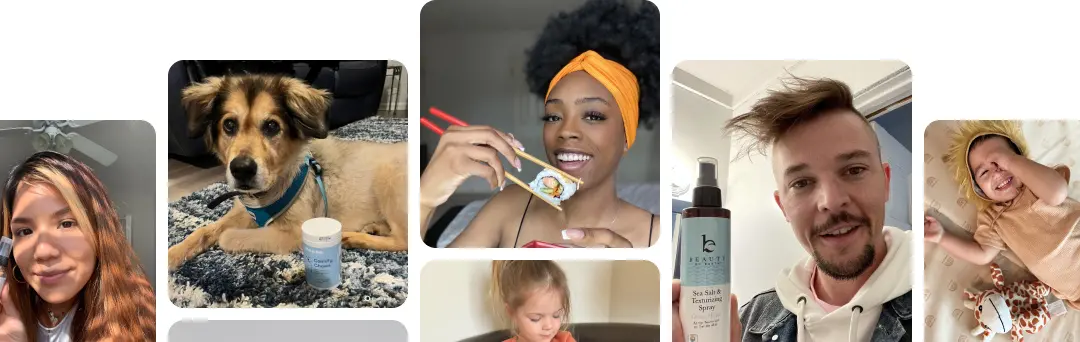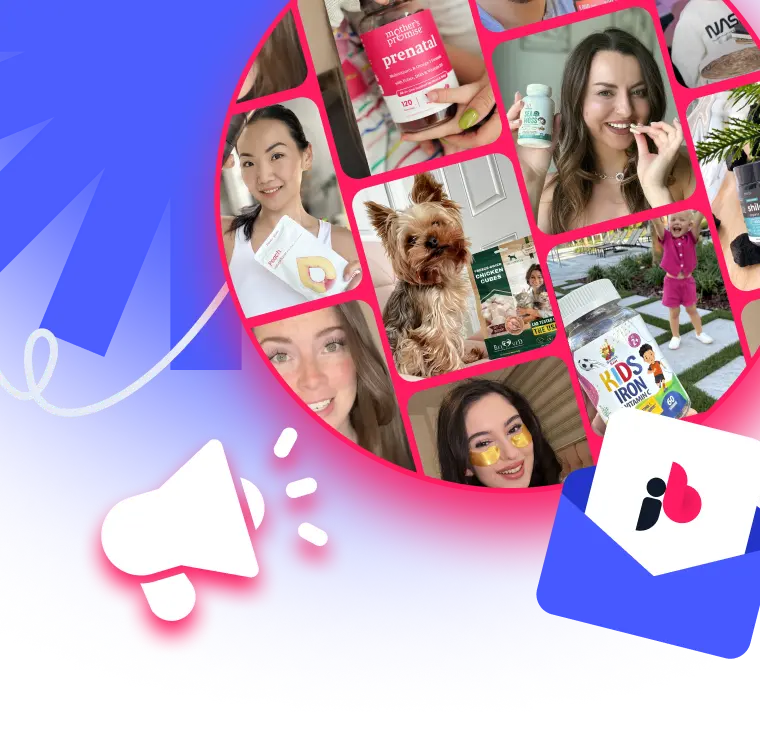

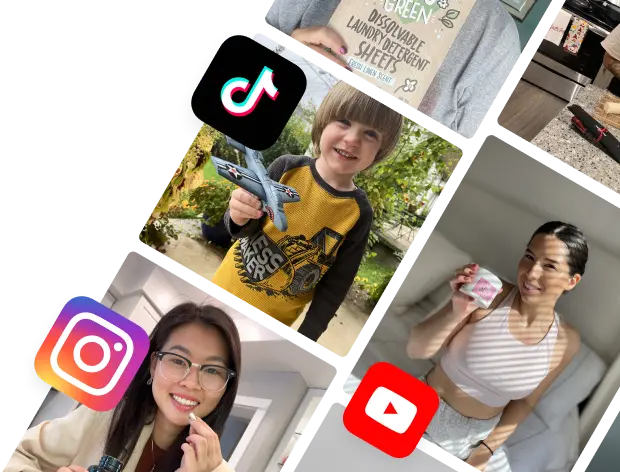
 Your Guide to Partnering With Social Media Musicians
Let's be honest: brand influencer marketing isn't just a "nice to have" anymore. It's essential.
So, what is it really? It's the simple practice of partnering with trusted digital creators to share your brand’s story with their communities. Think of it as the difference between shouting your message from a billboard and having a respected friend make a personal recommendation over coffee. One gets ignored; the other gets heard.
Table of Contents
Why Brand Influencer Marketing Is A Must-Have In 2026
Traditional advertising is quickly becoming background noise. Today’s shoppers are smart. They have ad-blockers running, and they’ve developed a pretty healthy skepticism for slick corporate ads.
This is exactly why brand influencer marketing has become a non-negotiable strategy, especially for modern DTC and e-commerce brands. It represents a fundamental shift away from interrupting people and toward starting genuine conversations.
Instead of just blasting a one-way message into the void, you're working with creators who have already built real trust with your ideal audience. These partnerships aren't about paying for a generic shout-out. They're about finding authentic advocates who can naturally weave your product into their content, sparking real interest and dialogue.
The Unstoppable Growth of the Creator Economy
The numbers behind this shift are pretty staggering. The influencer marketing industry has absolutely exploded, with its global market size projected to rocket to $32.55 billion by 2025. To put that in perspective, it was just $1.4 billion a decade ago. That's a compound annual growth rate of over 33%.
With 80% of brands planning to either maintain or increase their influencer budgets, it's clear which way the wind is blowing. This momentum is all fueled by a simple truth: creator-led content just plain works. Staying ahead means you have to keep up with the latest influencer marketing trends and be ready to adapt.
The big idea here is tapping into the authentic connection a creator has with their followers. When a creator they trust recommends a product, it feels like advice from a friend, not an ad from a faceless company. This is the key that unlocks genuine customer interest and, ultimately, loyalty.
A Clear Look at the Impact
To really bring this home, let’s break down the key numbers that show just how big and impactful brand influencer marketing has become. Grasping the data is the first step to seeing the full benefits of influencer marketing and understanding why sitting on the sidelines is no longer an option for brands serious about growth.
Here’s a quick overview of where things stand.
Brand Influencer Marketing At A Glance
This table sums up the key statistics that really paint a picture of the industry's scale and what it means for you.
| Metric | Statistic (2025 Data) | Implication for Brands |
|---|---|---|
| Market Size | Projected to reach $32.55 Billion | This is a massive, mainstream marketing channel that demands serious investment. |
| Marketer Confidence | 80% of brands will maintain or increase budgets | Your competitors are almost certainly investing here. Can you afford not to? |
| Budget Increases | 47% of brands will raise budgets by 11% or more | Significant resources are being shifted from traditional ads to creators. |
Simply put, ignoring this channel means you're missing out on one of the most powerful ways to build trust, drive real engagement, and generate sales in today's market.
Building Your Strategic Influencer Framework
Launching a successful influencer marketing program is about more than just finding a creator and shipping them a box of free stuff. If you want real, repeatable results, you need a strategic framework. Think of it like building a house: you wouldn't just start nailing boards together without a solid blueprint. This framework is your blueprint for sustainable, scalable growth.
This process is what turns influencer marketing from random acts of marketing into a predictable engine for acquiring customers and building your brand. It all comes down to a few key pillars: finding your real audience, picking the right creators, writing great content briefs, and planning how you'll distribute the content after it's posted. Nail these, and you'll have a powerful marketing channel firing on all cylinders.
The image below shows the shift away from old-school, top-down advertising toward the community-first approach that makes influencer marketing so effective.

As you can see, traditional ads funnel down from the top, while influencer marketing builds up from the ground floor, starting with authentic communities. This community-first model is exactly why it works so well.
Defining Your True Audience
First things first: you have to go way beyond basic demographics. Knowing your customer is 30 years old and lives in California is a start, but it’s not nearly enough. To find a true creator-audience match, you have to dig into psychographics—the values, interests, and beliefs that actually drive their buying decisions.
What online communities are they part of? Who do they already follow and trust for recommendations? Answering these questions is the difference between finding a creator with a big following and finding one with the right following.
Think of it this way: selling high-performance running shoes to a 30-year-old is a demographic shot in the dark. But selling them to a 30-year-old who follows marathon training accounts, hangs out in running forums, and geeks out over performance-enhancing gear? That’s a strategic bullseye.
So, how do you find these details?
- Analyze Your Customer Data: Look for patterns in who your best customers are and what they're buying.
- Conduct Social Listening: Pay attention to the conversations and hashtags happening around your product category.
- Survey Your Best Customers: Just ask them! Find out which creators and online communities they already trust.
Getting a clear picture of your audience's digital life is the foundation for your entire influencer strategy. It’s how you make sure your message is not only seen but welcomed.
Selecting the Right Creator Tiers
Once you have your audience profile dialed in, it's time to find the right creators. There's a whole spectrum of creator tiers out there, each with its own pros and cons. A lot of brands get tempted to chase macro-influencers with millions of followers, but the data tells a different story.
The ROI from influencer marketing has become undeniable, delivering an average of $5.78 for every $1 spent in 2025—that's nearly double what you get from traditional digital ads. This is why 86% of US marketers are planning to work with influencers. But here's the kicker: 73% of brands say they prefer working with micro and mid-tier creators, who usually offer the best bang for your buck in terms of engagement. You can dive deeper into the data driving these marketing decisions in 2025.
Here’s a quick breakdown of the main creator tiers:
| Creator Tier | Follower Range | Key Advantage |
|---|---|---|
| Nano-Influencers | 1K – 10K | Hyper-engaged, niche communities and high trust. |
| Micro-Influencers | 10K – 100K | The sweet spot of strong engagement and growing reach. |
| Mid-Tier Influencers | 100K – 1M | Broader reach while often maintaining a solid connection to their audience. |
| Macro-Influencers | 1M+ | Massive reach, ideal for large-scale brand awareness campaigns. |
For most DTC and e-commerce brands, the real magic happens with nano and micro-influencers. These creators have built tight-knit communities where their word carries a ton of weight, leading to higher engagement and a much more authentic connection.
Crafting the Perfect Content Brief
After you've picked your partners, it’s time to create the content brief. A huge mistake brands make here is treating the brief like a rigid script. That approach kills creativity and produces content that feels stuffy and fake.
Instead, your brief should be a "blueprint for authenticity." It needs to provide clear guardrails and must-haves while giving the creator the freedom to do what they do best: make awesome content their audience will love.
A good brief should always include:
- Clear Campaign Goals: Are you trying to build brand awareness, drive traffic, or get sales? Be specific.
- Key Talking Points: Give them 2-3 essential features or benefits you absolutely need them to mention.
- Mandatory Elements: List any required hashtags (like #ad), handles to tag, or specific links to use.
- Creative Freedom: Make it clear that you trust their creative instincts to bring the campaign to life in a way that feels natural for their channel.
Striking this balance ensures your brand message gets across without crushing the genuine connection that makes this whole thing work in the first place.
How to Choose the Right Creators for Your Brand
Finding the right partner is hands-down the most critical step in brand influencer marketing. Think of it like casting for a movie; the creator has to authentically embody your brand’s character and values. Chasing big follower counts is just a recipe for a wasted budget and disappointing results. The real art is looking deeper.
Success comes from moving past vanity metrics. You need to analyze a creator’s content niche, the relationship they have with their audience, and their professional track record. This is how you find a true partner who won’t just post an ad, but will become a genuine advocate for your brand.

Go Beyond Follower Counts
Let's be blunt: the number of followers a creator has is often the least important metric. A massive audience is totally useless if it’s not the right audience.
Instead of getting hung up on size, prioritize creators whose niche and content style perfectly align with your product and target customer. For instance, a skincare brand will see far better results with a micro-influencer who specializes in "clean beauty for sensitive skin" than with a generic lifestyle macro-influencer.
This is exactly why 73% of marketers now prefer working with micro-influencers. These creators offer a killer combination of affordability, high engagement rates, and deep trust within their communities. Their recommendations feel less like ads and more like advice from a knowledgeable friend.
The Power of Micro-Influencers
For most DTC and e-commerce brands, micro-influencers (typically with 10,000 to 100,000 followers) are the secret weapon. Their audiences are often hyper-engaged and share a specific interest, which makes them incredibly valuable for targeted campaigns.
A study by Matter Communications found that 69% of consumers trust influencer recommendations, piggybacking on the genuine connection these creators have built. This trust is strongest in smaller, more tight-knit communities where the influencer is seen as an authentic peer.
Think about a brand selling artisanal coffee. A partnership with a food blogger who has 20,000 followers and posts daily brewing tutorials will almost certainly drive more sales and brand loyalty than a mention from a celebrity with two million followers who has never shown an interest in coffee before. The context and authenticity are what actually create conversions.
A Practical Vetting Checklist for Potential Partners
Once you've identified a pool of potential creators, it’s time to vet them. A great creator does more than just post pretty pictures; they are a professional partner who understands marketing goals. Use this checklist to evaluate your candidates and make sure you’re making a smart investment.
Analyze Their Content Quality and Style:
- Does their aesthetic (photography, video editing, color palette) match your brand’s visual identity?
- Is their content consistently high-quality and engaging? Look for creative storytelling, not just static product shots.
Evaluate Real Audience Engagement:
- Look past the likes. Are people leaving thoughtful comments and asking questions? A high comment-to-like ratio is a fantastic sign of an active community.
- Do they respond to comments and interact with their followers? This shows they’re actively building a relationship.
Review Past Brand Collaborations:
- Have they worked with brands in your category before? This indicates experience and an audience that’s already interested.
- Check how they integrated previous sponsorships. Does it feel natural and authentic, or forced and spammy?
Assess Their Professionalism:
- Do they have a media kit or a clear way to inquire about partnerships? This signals they take their work seriously.
- Read their captions and watch their stories. Do they communicate clearly and professionally?
By following this vetting process, you move from guesswork to a strategic approach. You'll be able to spot the creators who not only have the right audience but also have the professional and creative chops to be a powerful extension of your brand influencer marketing efforts.
Measuring What Matters: Calculating Influencer ROI
The flashiest numbers in influencer marketing—likes and views—can feel good, but they don’t tell the whole story. To prove your campaigns are actually working, you have to move past these vanity metrics and connect creator content directly to real business results.
Success isn't just about getting seen; it's about getting results. This means you need a clear line of sight from your campaign goals to the specific Key Performance Indicators (KPIs) that truly define success. Without this, you’re just tracking data in the dark.
Aligning KPIs with Your Campaign Goals
Your campaign's main objective dictates which metrics you should be watching. Are you trying to get your brand’s name out there, build a community, or drive sales right now? Each goal requires a different measurement lens.
Think of it like choosing the right tool for the job. You wouldn't use a hammer to drive a screw. In the same way, you shouldn’t use sales metrics to measure a campaign designed purely for brand awareness.
Let's break down the KPIs you should be tracking based on your goals.
Brand Awareness: If your goal is to introduce your brand to a new audience, focus on reach and visibility. The big question is: "How many new people saw our brand?" Key metrics here include Impressions (how many times your content was seen) and Reach (how many unique people saw it).
Audience Engagement: When you want to build a real relationship with a community, you need to track how people are interacting. This shows your content is actually resonating. Look at Comments, Shares, and Saves—these actions signal a much deeper interest than a simple "like."
Conversions: For campaigns aimed at driving direct action, your KPIs have to track bottom-of-the-funnel results. This is all about turning viewers into customers. You'll want to track metrics like Affiliate Code Usage, Click-Through Rate (CTR) on bio links, and, most importantly, Sales.
Tracking the right KPIs is essential for understanding your campaign's performance. The table below outlines which metrics to focus on for different campaign objectives, helping you align your measurement strategy with your business goals.
KPIs For Different Campaign Objectives
| Campaign Goal | Primary KPIs | Secondary KPIs | Tools for Measurement |
|---|---|---|---|
| Brand Awareness | Impressions, Reach, Video Views | Follower Growth, Profile Visits, Branded Hashtag Mentions | Social Media Analytics, Creator Platforms |
| Audience Engagement | Comments, Shares, Saves, Likes | Post Engagement Rate, Audience Growth Rate | Social Media Analytics, Creator Platforms |
| Lead Generation | Link Clicks (CTR), Email Sign-ups, Form Fills | Cost Per Lead (CPL), Website Traffic | UTM Parameters, Google Analytics, Landing Page Software |
| Sales/Conversions | Sales Revenue, Affiliate Code Redemptions | Conversion Rate, Average Order Value (AOV) | E-commerce Platforms, Affiliate Tracking Software |
By selecting the right KPIs from the start, you can get a crystal-clear picture of what’s working and what isn't, allowing you to fine-tune your strategy for better results next time.
Calculating True Influencer Marketing ROI
Measuring your return on investment (ROI) is the ultimate proof that your program is working. It’s how you justify budgets and show leadership that influencer marketing is a profit center, not a cost center.
For a detailed breakdown, our guide on how to calculate influencer marketing ROI provides an even deeper look.
The formula itself is pretty straightforward:
ROI = (Net Profit from Campaign / Total Campaign Cost) x 100
The real challenge is accurately tracking every single cost and every penny of revenue. Let's walk through a practical example for an e-commerce brand selling a new skincare product.
A Step-by-Step ROI Calculation Example
Step 1: Calculate Total Campaign Costs
This includes way more than just what you paid the creator. You have to account for all the expenses.
- Creator Payments: $3,000 (for 5 micro-influencers)
- Product Costs: $500 (cost of goods sent to creators)
- Shipping & Handling: $100
- Platform/Tool Fees: $99 (your monthly subscription)
- Team Time: $300 (hours spent managing the campaign)
- Total Campaign Cost = $3,999
Step 2: Calculate Revenue Generated
Track all sales directly tied to the campaign using unique affiliate codes or UTM-tagged links.
- Sales from Affiliate Codes: 150 units sold at $60/unit = $9,000
Step 3: Calculate Net Profit
Now, subtract the cost of goods sold (COGS) from your total revenue. Let's say each unit costs $15 to produce.
- COGS: 150 units x $15 = $2,250
- Gross Profit: $9,000 – $2,250 = $6,750
- Net Profit: Gross Profit – Total Campaign Cost = $6,750 – $3,999 = $2,751
Step 4: Calculate Final ROI
Finally, plug your net profit and total cost into the formula.
- ROI = ($2,751 / $3,999) x 100 = 68.8%
This shows that for every single dollar you invested, the campaign generated a 68.8% return. That’s a powerful number you can take straight to your leadership team to prove the value of your work.
For a more advanced view, you can also track the Customer Lifetime Value (CLV) of the customers you acquire through influencers. If these new customers come back and make repeat purchases, the long-term ROI of your campaign becomes even more impressive, cementing the immense value of your influencer marketing strategy.
Navigating Budgets and Creator Contracts
Alright, you’ve got your strategy hammered out. Now it's time to shift from planning to doing, which means we have to talk about two things that can make or break any campaign: money and legal agreements.
Getting these right isn't just a "nice-to-have." It’s the absolute foundation for a professional, scalable, and secure influencer program. Without a clear budget and a solid contract, even the most brilliant creative ideas can completely unravel.
Think of it like hiring any other skilled professional for your business. You wouldn't bring on a graphic designer or a copywriter without first agreeing on a price and signing a contract that spells out exactly what they'll deliver. Influencer partnerships are professional business deals, and they demand that same level of clarity from both sides to have any chance of success.
Understanding Common Pricing Models
One of the first questions every brand asks is, "So, how much is this going to cost?" The honest answer is… it depends. Creator compensation can be all over the map, but most deals fall into a few common buckets. Knowing these will help you structure partnerships that are fair, appealing to creators, and perfectly aligned with your campaign goals.
Flat-Fee Payments: This is as straightforward as it gets. You pay a creator a fixed price for a specific set of deliverables—say, one Instagram Reel and three Stories. It's predictable, which is great for budgeting, and it's often the go-to for brand awareness campaigns where tracking direct sales is tricky.
Performance-Based (Affiliate/Commission): With this model, creators earn a cut of the sales they drive. For brands, this feels lower-risk because you're only paying for tangible results. It’s a fantastic fit for conversion-focused campaigns, but it often works best when paired with a small upfront fee to guarantee the creator actually puts in the effort.
Product Seeding (Gifting): This is where you send free products to creators, hoping they'll love them enough to post. While it can be a super cost-effective way to get your product out there, there's zero guarantee you'll get a post. This approach is best reserved for nano-influencers or as a "foot in the door" to build initial relationships, not as the core of a major campaign.
Hybrid Models: The sweet spot. Honestly, the most successful partnerships often blend these approaches. A hybrid model that combines a base flat fee with a performance bonus is a win-win. It gives the creator guaranteed income for their time and effort while giving them a real incentive to drive sales for your brand.
Budgeting for a Full Campaign
A classic rookie mistake is thinking the creator's fee is your only expense. A realistic influencer marketing budget needs to account for all the moving parts. If you overlook these "hidden" costs, you can burn through your budget fast and put a strain on your new creator relationships.
Your total campaign budget should include line items for:
- Creator Compensation: The fees, commissions, or value of the products you're paying out.
- Product Costs & Shipping: The actual cost of the goods you're sending, plus the materials and postage to get them there.
- Platform Fees: The subscription cost for any software you use for finding creators, managing campaigns, and tracking results.
- Content Boosting: A dedicated ad budget to put some rocket fuel behind your top-performing influencer posts (like with TikTok Spark Ads or Instagram Partnership Ads).
To make sure all this is worth it, you have to prove its value. Knowing how to calculate marketing ROI is essential for justifying these budget items and showing the direct financial impact your program is having.
The Essential Components of a Creator Contract
A contract isn't about being difficult; it's about being clear. It protects both you and the creator by getting rid of any potential misunderstandings and setting crystal-clear expectations for the partnership. It might feel a bit formal at first, but a simple, well-written agreement is the mark of a professional brand that respects its partners. For a closer look, it's worth checking out a content creator contract template to see how these clauses look in a real document.
A strong contract isn't about limiting creativity; it's about creating a clear framework so creativity can flourish. When both parties know exactly what's expected, they can focus on what really matters: creating amazing content.
Your contract should always specify:
- Content Deliverables: The exact number and type of posts required (e.g., 1 TikTok video, 2 Instagram Stories). Be specific!
- Content Ownership and Usage Rights: Who owns the content once it’s made? This is critical. You need a clause that secures your rights to use the influencer-generated content (IGC) on your own channels, like your website, emails, or in your own ads.
- Exclusivity Clause: This prevents a creator from turning around and working with your direct competitor for a set period of time.
- FTC Disclosure Guidelines: This is non-negotiable. The contract must require the creator to clearly disclose the partnership using hashtags like #ad or #Sponsored. It's a legal requirement.
- Payment Schedule: When and how will the creator get paid? (e.g., 50% upfront, 50% upon completion).
Turning Influencer Content into Advertising Assets
A successful brand influencer campaign doesn't end when the creator hits "post." In fact, that's just the beginning. The real, long-term value comes from turning that authentic, high-performing content into a durable marketing asset you can use for weeks or even months.
Think of it this way: a single influencer post is like renting an audience for a day. Turning that post into an ad is like owning a high-performing creative asset you can show to thousands of ideal customers. This is where you get the best of both worlds—the genuine trust of a creator combined with the predictable, scalable reach of paid advertising.

From Organic Post to Paid Powerhouse
The first step is to pinpoint your top-performing influencer-generated content (IGC). Don’t just glance at likes; dig deeper into posts with high engagement rates, exceptional comment quality, and strong saves. These are the golden nuggets that truly resonated with an audience, making them perfect candidates for amplification.
Once you’ve found a winner, you can repurpose this user-generated content (UGC) across all your marketing channels:
- Organic Social: Feature the creator's content on your own brand profiles to inject social proof and authenticity into your feed.
- Email Marketing: Embed influencer testimonials and photos in your email campaigns to give your click-through rates a serious boost.
- Website Content: Use creator-made images and videos on your product pages to show your items in a real-world context, not a sterile studio.
- Paid Social Ads: This is where you get the most bang for your buck, turning a proven organic post into a scalable ad.
Unlocking Native Ad Formats
The most powerful way to amplify IGC is through native ad formats that run directly from the creator’s account. This strategy is brilliant because it maintains the authentic feel of the original post while letting you pour your ad budget in for massive reach. Two of the best formats for this are TikTok Spark Ads and Instagram Branded Content Ads.
These ad formats are game-changers because they let you put paid media spend behind a creator’s handle. Consumers see an ad from a trusted source, not a brand, which dramatically increases engagement and reduces the skepticism often associated with traditional ads.
For example, a TikTok post that gets great organic traction can be turned into a Spark Ad. Your brand can then target specific audiences with that video, pushing it far beyond the creator's initial followers. The ad appears as if it's still a normal, organic video from the creator, preserving the trust that made it successful in the first place. This strategy is incredibly effective, especially on platforms like TikTok, where U.S. influencers see an impressive average engagement rate of 18%.
Common Questions About Brand Influencer Marketing
As brands start to explore influencer marketing, a lot of the same questions pop up. Getting clear, practical answers is the key to launching your first few campaigns with confidence and sidestepping the usual mistakes.
Let's dig into some of the most common things brand managers ask when they're just getting started.
How much should I actually pay influencers?
There’s no one-size-fits-all price. What you pay depends on the creator's tier (think nano, micro, macro), their engagement rates, the amount of work you're asking for, and how you plan to use the content. A mix of a flat fee plus a performance bonus often makes for the strongest partnerships.How do I find the right creators?
You have to look past the follower count. The best partners have a specific niche and an audience that lines up perfectly with your brand. Using a creator discovery platform lets you filter by audience demographics, content style, and even past collaborations to find someone who will be a true advocate, not just a walking billboard.What if I just send them free products?
Product seeding, or gifting, is a great way to start building relationships, especially with nano-influencers. But here's the catch: there's no guarantee they'll post about it. If you need a predictable campaign with specific deliverables, you absolutely need a formal agreement.
Navigating Key Challenges
Once you’ve got the basics down, a few more complex questions tend to come up as you try to scale your program.
One of the most critical things to understand is that 69% of consumers trust influencer recommendations almost as much as they trust advice from a friend. This tells us the real power of influencer marketing isn't just reach; it’s about tapping into genuine trust.
So, how does that idea of trust play out in a real campaign?
First, people often ask if AI can make the process easier. The short answer is yes. AI is becoming a fantastic tool for vetting creators, spotting fake followers, and analyzing campaign data. That said, 38% of marketing professionals report using it only in a limited capacity. Human judgment is still essential for deciding if a creator's vibe and creative style are the right fit for your brand.
Finally, what’s the most popular niche for this stuff? Fashion and Beauty are still the frontrunners, with over 21% of brands in that space using influencer marketing. But don’t count other industries out—Gaming, Food, and Tech are growing incredibly fast, proving this strategy can work for almost any brand when it's done right.
Ready to launch your influencer campaigns without the guesswork? JoinBrands is an all-in-one platform connecting you to over 250,000 creators. Find the perfect partners, manage campaigns, and own your content with our AI-powered tools. Start your first campaign today.