
 Your Guide to the Synthesia AI Video Maker for Marketers
Influencer marketing has moved past simple sponsored posts and into a mature, performance-focused channel. It's a complex system where strategies range from direct-response TikTok Shop affiliate programs to community-building user-generated content (UGC) campaigns that foster deep brand loyalty. But understanding the theory is one thing; seeing how it works in practice is another. To achieve meaningful results today, brands need more than vague inspiration, they need a tactical blueprint.
This article provides exactly that. We will dissect 10 specific examples of influencer marketing that are working right now. For each one, we'll break down the campaign's strategic goal, the precise execution details, and the measurable outcomes. We will cover a broad spectrum of tactics, from scaling micro-influencer collaborations for product launches to running creator-led advertising with Spark Ads.
Instead of just showing you what happened, we'll show you why it worked and how you can replicate the success. Each example includes actionable takeaways and practical tips you can apply immediately to your own creator programs. Let's explore the strategies that are delivering tangible ROI and driving real growth for brands.
Table of Contents
1. Affiliate & Commission-Based Influencer Partnerships
This performance-driven approach is one of the most direct examples of influencer marketing tied to ROI. Instead of a flat fee, influencers earn a commission on sales they generate through unique tracking links or codes. This model perfectly aligns incentives: the brand pays only for converting traffic, and the creator is motivated to produce content that drives actual purchases. It's an exceptionally effective strategy for e-commerce and direct-to-consumer (DTC) brands seeking clear attribution for their marketing spend.
Many beauty and fashion brands excel with this model, often using TikTok Shop or Instagram Shopping affiliates with commission rates between 10-20%. Similarly, brands in the supplement or home goods space frequently provide influencers with discount codes that also function as affiliate trackers, making it easy to measure a campaign's direct impact on sales. For creators, this opens up significant earning potential; for instance, understanding how to get paid to tweet with affiliate links can turn a social media presence into a steady income stream.
Strategic Breakdown & Actionable Takeaways
- Set Competitive Commissions: Your rate (typically 8-25%) must be attractive enough to motivate creators while protecting your product margins.
- Arm Creators for Success: Provide high-quality product photos, key messaging points, and content briefs. The easier you make it for them to promote, the better they'll perform.
- Ensure Granular Tracking: Use a platform that supports unique discount codes and UTM-parameter links for every influencer to attribute sales accurately.
- Incentivize Top Performers: Implement tiered commission structures where rates increase as influencers hit specific sales milestones. This gamifies the process and encourages sustained effort.
Key Insight: This model minimizes upfront financial risk for brands, making it an ideal way to scale influencer collaborations. You can work with a larger, more diverse group of creators since the cost is directly tied to performance. For a deeper look into the mechanics, explore our guide on what affiliate marketing is and how it works.
2. User-Generated Content (UGC) & Brand Ambassador Programs
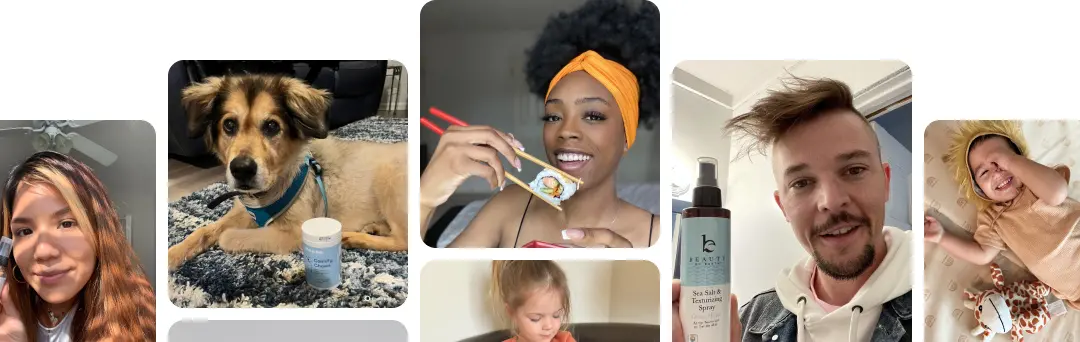
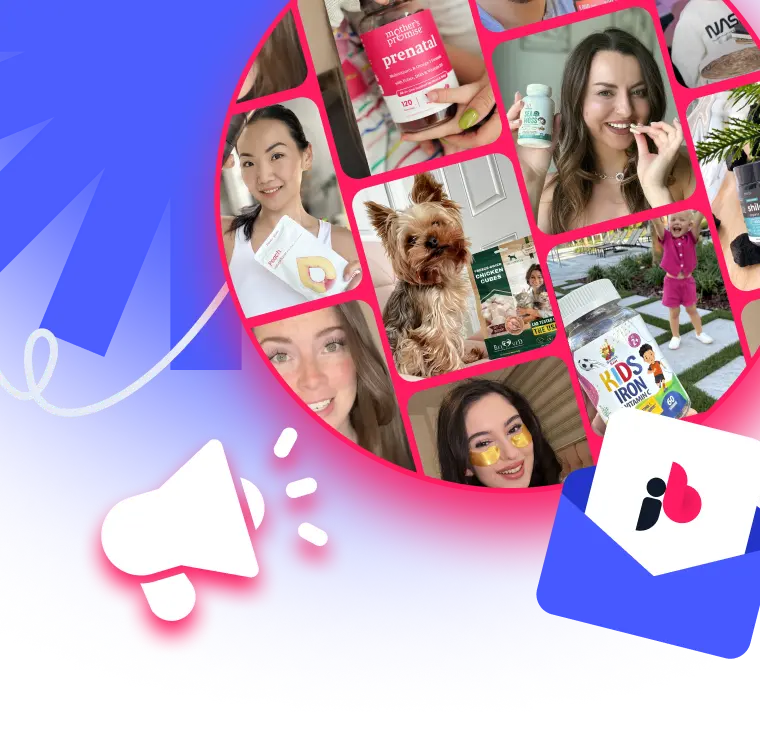
This strategy moves beyond one-off campaigns by building a community of creators and loyal customers who produce authentic content. Instead of a highly polished ad, brands get a steady stream of real-life, relatable content that showcases products in authentic contexts. This approach builds immense social proof and leverages peer trust, as consumers often find UGC more trustworthy than traditional brand messaging. It is a powerful method for scaling content production for social feeds and paid ads.

Brands like GoPro have mastered this, turning customer adventure footage into high-energy, branded campaigns. Similarly, beauty brand Glossier built its empire on the back of community-driven content aggregated through hashtags like #GlossierGirl. Long-term brand ambassador programs, like those used by Lululemon and MVMT Watches, create a consistent brand voice through creators who genuinely embody the company's lifestyle and values. Understanding the nuances of these relationships is key; you can discover more about what brand ambassadors do and how they work to structure your own program effectively.
Strategic Breakdown & Actionable Takeaways
- Launch a Branded Hashtag: Create a simple, memorable hashtag to encourage customers and creators to share their experiences, making it easy to find and feature their content.
- Offer Product, Not Just Payment: For authentic UGC, often the best first step is to gift products to nano and micro-influencers, allowing them to create content based on genuine use.
- Establish Clear Content Rights: Always get permission before repurposing UGC in your marketing channels. Specify usage rights (e.g., organic social, paid ads) in your creator agreements.
- Provide a Brief, Not a Script: Give creators a clear outline of key messaging and campaign goals but allow them the creative freedom to produce content that feels genuine to their audience.
Key Insight: UGC and ambassador programs are content engines that run on authenticity. By empowering your community to create for you, you generate a high volume of trusted marketing assets at a fraction of the cost of traditional production.
3. Micro-Influencer Campaigns (10K-100K followers)
This strategy involves partnering with creators in the 10,000–100,000 follower range who have built highly engaged, niche communities. Unlike macro-influencers with broad appeal, micro-influencers often deliver superior engagement rates and a more authentic connection with their audience. This approach is one of the most cost-effective examples of influencer marketing, as these creators typically have more accessible rates or are open to product-only collaborations, providing a high return on investment.
Brands like Glossier have successfully used this model by partnering with local micro-influencers to build grassroots hype in specific neighborhoods. Similarly, direct-to-consumer brands like Allbirds collaborate with sustainability-focused creators to reach a dedicated audience that values their eco-friendly mission. This method allows brands to build trust and credibility by tapping into the genuine relationships these creators have cultivated with their followers.
Strategic Breakdown & Actionable Takeaways
- Prioritize Engagement Over Followers: A high engagement rate (3-6% or more) is a stronger indicator of influence than a large follower count. Use it as your primary KPI when vetting partners.
- Build a Scalable Army: Rather than one large collaboration, work with a portfolio of 50+ micro-influencers to achieve the same reach as a single macro-influencer, often with better overall performance and content diversity.
- Offer Tiered Compensation: Create flexible partnership structures. Offer product-only deals for smaller creators, a flat fee for those with proven results, and a commission model to incentivize sales.
- Request Audience Data: Before committing, ask for screenshots of the creator’s audience demographics to ensure their followers align perfectly with your target customer profile.
Key Insight: Micro-influencer campaigns democratize brand partnerships, allowing businesses of all sizes to tap into authentic voices. The key is to build genuine, long-term relationships rather than pursuing one-off transactional posts. For more tips, read our guide on how to find micro-influencers effectively.
4. Nano-Influencer & Community Builder Partnerships (1K-10K followers)
This strategy involves collaborating with creators who have smaller but exceptionally engaged communities, typically between 1,000 and 10,000 followers. These nano-influencers are often seen as peers by their audience, fostering deep trust and authentic connections. Their recommendations carry significant weight, making them perfect for grassroots brand advocacy, gathering product feedback, and driving hyper-targeted conversations. This is one of the most scalable examples of influencer marketing for achieving authenticity at a low cost per creator.
Brands use this model to build genuine community buzz. For instance, a local fitness studio might partner with neighborhood wellness creators to promote new classes, or a direct-to-consumer food brand could send products to local food bloggers for honest reviews. The power lies in the aggregate impact; the combined reach of 100 nano-influencers can easily surpass that of a single macro-influencer, often with higher overall engagement and credibility.
Strategic Breakdown & Actionable Takeaways
- Focus on Aggregate Performance: Don't get lost tracking individual creator metrics. Instead, measure the collective impact of the entire nano-influencer group on engagement, traffic, or sales.
- Scale with Product-Gifting: Many nano-influencers are happy to collaborate in exchange for free products. You can scale your program by offering generous product gifting, optionally paired with an affiliate commission to reward sales.
- Simplify the Onboarding Process: Create a simple, repeatable submission and content creation process. Use forms or a dedicated platform to manage hundreds of creators without administrative overload.
- Target by Niche or Location: Use the highly specific nature of these creators to your advantage. Target them based on precise geographic areas (e.g., "Austin-based runners") or niche interests ("vegan bakers") for maximum relevance.
Key Insight: Nano-influencers trade broad reach for deep trust and industry-leading engagement rates. This approach allows brands to activate dozens or even hundreds of authentic advocates at a budget that might only secure one macro-influencer, building a strong foundation of community support.
5. TikTok Shop Affiliate & Live Shopping Events
This model represents one of the most integrated examples of influencer marketing, turning content directly into a point of sale. Creators earn commissions on sales made through tagged products in their videos and livestreams, creating a powerful fusion of entertainment and e-commerce. Live shopping events, in particular, generate urgency and real-time interaction, allowing brands to combine direct sales with authentic community engagement, a strategy used effectively by brands like Shein and Fashion Nova.

This social commerce approach enables brands to capture impulse purchases at the peak of consumer interest. Beauty and electronics companies often host live events with creators to showcase products, answer audience questions, and offer limited-time deals. The creator acts as a trusted shopping guide, building a connection that static product pages cannot replicate, driving both immediate sales and brand loyalty.
Strategic Breakdown & Actionable Takeaways
- Recruit Proven Sellers: Prioritize onboarding TikTok Shop affiliates who already have a demonstrated track record of driving sales on the platform.
- Create Scarcity: Use limited-quantity product drops and time-sensitive discounts during live events to motivate immediate purchases.
- Build Anticipation: Promote live shopping events in the days leading up to them with countdowns, sneak peeks, and behind-the-scenes content.
- Provide Data-Driven Briefs: Equip creators with insights on what types of content resonate with your target audience to improve their sales performance.
Key Insight: The immediacy of TikTok Shop and live shopping collapses the sales funnel. Customers can discover, consider, and purchase a product within a single viewing session, making it a high-conversion channel for DTC brands with visually appealing products.
6. Long-Form YouTube Content & Sponsorships
Partnering with YouTube creators for integrated brand sponsorships allows for deep storytelling and authentic audience connection. Unlike a brief social media post, a long-form YouTube video provides ample time for detailed product demonstrations, reviews, and genuine endorsements. This format excels at building trust because the product is often woven directly into the creator's regular content, feeling less like a disruptive ad and more like a valuable recommendation.
This approach is highly effective across various niches. Tech reviewers like MKBHD integrate sponsorships for services or hardware seamlessly into their detailed analyses. Similarly, lifestyle vloggers can naturally showcase a product in their daily routines, while business-focused channels often feature SaaS tools as part of their productivity tutorials. These integrated examples of influencer marketing build credibility and drive consideration by showing the product in an authentic, real-world context.
Strategic Breakdown & Actionable Takeaways
- Prioritize Authentic Integration: Work with creators to find a natural fit for your product within their content. A forced, out-of-place mention can damage both the brand's and the creator's credibility.
- Grant Creative Freedom: Provide clear brand guidelines and key messaging points, but allow the creator to present the information in their own voice. Their audience follows them for their unique style.
- Negotiate Placement & Duration: Specify where the sponsorship will appear (pre-roll, mid-roll, dedicated segment) and the minimum duration. A 60-90 second mid-roll integration is a common standard.
- Implement Clear Tracking: Use unique discount codes or vanity URLs to attribute traffic and conversions. Monitor YouTube Analytics for click-through data from the description box.
Key Insight: Long-form YouTube content moves beyond simple awareness to drive genuine consideration and trust. The format’s depth allows creators to answer potential customer questions, handle objections, and demonstrate value in a way that short-form content cannot match.
7. Instagram Reels & Short-Form Video Ad Campaigns
This strategy centers on creating high-impact, short-form video content (typically 15-60 seconds) specifically designed for platforms like Instagram Reels, TikTok, and YouTube Shorts. The goal is to capture attention instantly through quick hooks, dynamic visual storytelling, and shareable moments that boost both engagement and brand awareness. Unlike static posts, these video-first examples of influencer marketing feel native to the platform, making them more authentic and less intrusive to the viewer.

The format is exceptionally versatile, working for everything from beauty brands showcasing a new product to fitness creators demonstrating a 30-second workout tip with subtle product placement. E-commerce brands often use this method for quick product showcases, while others jump on viral sounds and trends to promote their offerings in a culturally relevant way. For brands, it's a direct line to younger audiences who prefer quick, entertaining content.
Strategic Breakdown & Actionable Takeaways
- Hook Within Three Seconds: The first few seconds are critical. Use a strong visual, ask a question, or present a problem to stop users from scrolling.
- Embrace Trending Audio: Incorporate sounds from the Reels or TikTok audio library to increase your content's reach. The algorithm often favors content using popular audio.
- Design for Sound-Off Viewing: Most users watch videos without sound. Use clear text overlays and captions to ensure your message is understood regardless of the audio setting.
- Include a Clear Call-to-Action (CTA): Guide the viewer on what to do next. Simple prompts like "Link in bio to shop!" or "Comment your favorite!" can significantly improve results.
Key Insight: Short-form video is not about high-production value; it's about authenticity and relatability. Partner with creators who understand platform-specific trends and can produce content that feels organic, not like a polished advertisement.
8. Spark Ads & Creator-Native Paid Advertising
This approach merges the authenticity of influencer content with the scalability of paid advertising. Instead of creating polished ads, brands license user-generated or influencer-made content and promote it directly through platforms like TikTok's Spark Ads or Meta's creator ad tools. This method maintains the native feel and trust of a creator’s post while using a paid budget to reach a much larger, targeted audience. It’s a powerful hybrid strategy that combines organic credibility with precise, performance-driven distribution.
Many DTC brands use this model to great effect, running numerous creator content variations simultaneously to identify the most effective creative. Beauty brands often amplify affiliate creator content through Spark Ads to drive sales, while fashion retailers might turn glowing customer-generated videos into high-performing paid campaigns. This strategy is a cornerstone for brands looking to scale their marketing efforts without losing the genuine voice that makes creator content so compelling.
Strategic Breakdown & Actionable Takeaways
- Prioritize Authentic Content: Choose videos that feel genuine and less produced. The raw, relatable style of user-generated content often outperforms slick, branded creative.
- Test and Iterate Rapidly: Run 5-10 different creator videos as ads to quickly find winning variations. Focus on content with a strong hook, clear product demonstration, and a compelling call-to-action.
- Secure Proper Licensing: Always obtain explicit permission and formal licensing agreements from creators before promoting their content. This protects both the brand and the creator.
- Scale Winning Creatives: Once you identify a high-performing ad, scale its budget and target it toward lookalike audiences to maximize reach and conversions.
Key Insight: This model is one of the most efficient examples of influencer marketing for performance-focused brands. It allows you to A/B test authentic creative at scale, blending the trust of a personal recommendation with the predictable ROI of paid media.
9. Influencer Product Launch & Announcement Campaigns
This strategy involves coordinating a simultaneous content drop across multiple creators to announce a new product. The goal is to generate massive, concentrated buzz that amplifies reach, builds social proof, and creates a sense of FOMO-driven urgency. It transforms a simple product release into a widespread market event, making it one of the most powerful examples of influencer marketing for driving immediate awareness and early sales.
Brands like GoPro and Olaplex execute this perfectly. GoPro partners with action sports creators to reveal new cameras, while Olaplex coordinates reveals with top hair stylists for new treatments. The effect is a social media takeover where audiences see the new product from various trusted sources at once. For any brand, integrating this with a proven strategy for product launch success ensures the influencer component aligns with broader marketing objectives for a cohesive and impactful rollout.
Strategic Breakdown & Actionable Takeaways
- Coordinate the Rollout: Set a specific launch day and time for all creators to post. This synchronized push maximizes visibility and makes the launch feel like a significant, must-see event.
- Segment Your Creators: Select influencers from different niches (e.g., dermatologists, beauty enthusiasts, and lifestyle bloggers for a skincare launch) to reach diverse audience segments simultaneously.
- Provide an Embargoed Brief: Give creators product samples and a detailed creative brief 2-4 weeks in advance under an embargo. This gives them time to produce high-quality content without leaking the news.
- Equip for Attribution: Arm each creator with a unique discount code or trackable link. This allows you to measure their direct contribution to launch-day sales and identify top performers.
Key Insight: A synchronized influencer launch creates an echo chamber effect. When consumers see a new product from multiple trusted creators in a short period, it validates its importance and accelerates the path from awareness to purchase.
10. Creator Collaborations & Co-Creation Campaigns
This advanced strategy moves beyond simple promotion into true partnership, where influencers co-develop products, content, or entire campaigns. By giving creators meaningful creative input and a stake in the outcome, brands tap into their audience expertise and build unparalleled authenticity. This approach turns a creator from a temporary spokesperson into a long-term brand advocate invested in the project's success. It's an excellent way to create unique, highly anticipated offerings that feel genuine and community-driven.
Brands like MVMT Watches have found success by collaborating with influencers on exclusive watch designs, while Lululemon has co-created activewear collections with its global ambassadors. These projects aren't just about marketing; they are about product innovation driven by trusted figures. Similarly, beauty brands like Tatcha partner with top creators for limited-edition products, ensuring the final offering perfectly resonates with the target demographic because it was built with their direct input. These are powerful examples of influencer marketing that generate both buzz and deep brand loyalty.
Strategic Breakdown & Actionable Takeaways
- Establish Clear Terms: Before starting, create a detailed agreement covering creative ownership, approval processes, timelines, and revenue-sharing or commission structures. Clarity prevents future conflicts.
- Grant Genuine Creative Input: Give creators real influence over the product design, features, or campaign messaging. Token gestures are easily spotted by audiences and undermine authenticity.
- Document the Process: Capture behind-the-scenes content of the collaboration. This "making of" footage provides valuable marketing material for teasers, launch day, and post-launch storytelling.
- Align on a Communication Framework: Set up a regular cadence for check-ins and establish a clear decision-making process to keep the project on track and ensure all parties are aligned.
Key Insight: Co-creation turns a marketing campaign into a shared venture. This deep integration fosters a powerful sense of ownership for the creator, motivating them to promote the product with genuine passion long after the initial launch period has passed.
10 Influencer Marketing Examples Compared
| Approach | Implementation Complexity 🔄 | Resource Requirements ⚡ | Expected Outcomes 📊 | Ideal Use Cases 💡 | Key Advantages ⭐ |
|---|---|---|---|---|---|
| Affiliate & Commission-Based Influencer Partnerships | Medium — requires tracking infrastructure & fraud controls 🔄 | Low‑to‑Moderate upfront cash; ongoing commission budgets & platform integration ⚡ | Direct, measurable sales and scalable conversions; strong ROI attribution 📊 ⭐⭐⭐⭐ | E‑commerce, DTC, product launches, seasonal/promotional campaigns 💡 | Pay‑per‑performance; clear ROI; scalable creator reach ⭐ |
| User-Generated Content (UGC) & Brand Ambassador Programs | Low‑Medium — rights mgmt & quality control needed 🔄 | Low cost per asset (gifting/fees); asset management & approval workflows ⚡ | Higher trust and engagement; reusable content across paid channels 📊 ⭐⭐⭐ | Lifestyle, beauty, fitness, content‑hungry paid strategies 💡 | Authentic, cost‑effective content production; high engagement ⭐ |
| Micro-Influencer Campaigns (10K–100K) | Medium — many relationships & contracts to manage 🔄 | Moderate budget for multiple creators; community management tools ⚡ | Strong engagement and niche reach; good ROI for targeted offers 📊 ⭐⭐⭐⭐ | Niche e‑commerce, DTC with limited budgets, hyperlocal targeting 💡 | High engagement-to-follower ratios; affordable scalability ⭐ |
| Nano-Influencer & Community Builder Partnerships (1K–10K) | Medium‑High — scale many small partnerships & aggregation 🔄 | Very low per‑creator cost but high aggregate mgmt and gifting ⚡ | Very high engagement/loyalty; strong word‑of‑mouth but limited individual reach 📊 ⭐⭐⭐ | Grassroots campaigns, product testing, hyperlocal/user acquisition 💡 | Most authentic recommendations; low cost per test; easy ambassador building ⭐ |
| TikTok Shop Affiliate & Live Shopping Events | High — live logistics, inventory and platform reliance 🔄 | High: inventory readiness, production, platform fees & event coordination ⚡ | Immediate sales spikes, urgency-driven conversions; real‑time attribution 📊 ⭐⭐⭐⭐ | Flash sales, fashion/beauty, electronics, seasonal product launches 💡 | Integrated checkout; impulse purchases; live engagement → direct sales ⭐ |
| Long-Form YouTube Content & Sponsorships | Medium — longer production & scheduling coordination 🔄 | High creator fees and production timelines; negotiation for placements ⚡ | Deep storytelling, evergreen discovery, strong trust but slower direct sales 📊 ⭐⭐⭐ | B2B SaaS, high‑consideration products, tech and educational content 💡 | Detailed demos, high credibility, long shelf life ⭐ |
| Instagram Reels & Short-Form Video Ad Campaigns | Low‑Medium — trend monitoring and fast creative cycles 🔄 | Moderate: editing, frequent content creation, ad spend for amplification ⚡ | High reach and viral potential; strong awareness but short content lifespan 📊 ⭐⭐⭐⭐ | Awareness, rapid product launches, trend‑driven promotions (beauty/fashion) 💡 | Viral/shareable format, quick turnaround, repurposable across platforms ⭐ |
| Spark Ads & Creator-Native Paid Advertising | Medium — content licensing and platform compliance 🔄 | Moderate: licensing/payments + ad spend; testing multiple creatives ⚡ | Lower CPMs and higher engagement vs traditional ads; scalable paid reach 📊 ⭐⭐⭐ | Content scaling, awareness→conversion campaigns, repurposed UGC boosting 💡 | Combines organic trust with paid reach; cost‑effective scaling ⭐ |
| Influencer Product Launch & Announcement Campaigns | High — tight coordination, timing, and contingency planning 🔄 | High: product gifting, logistics, inventory reserves, management overhead ⚡ | Large awareness spikes and FOMO-driven sales; high short‑term impact 📊 ⭐⭐⭐⭐ | Major launches, seasonal drops, high-anticipation product reveals 💡 | Amplified launch momentum; multi-audience exposure; measurable attribution ⭐ |
| Creator Collaborations & Co-Creation Campaigns | High — complex legal, development and approval workflows 🔄 | High: product development costs, revenue/share arrangements, long timelines ⚡ | Differentiated products, strong long‑term affinity, premium pricing potential 📊 ⭐⭐⭐⭐ | Limited editions, co‑branded collections, premium launches, brand differentiation 💡 | Deep authenticity; unique offerings; long-term creator partnership value ⭐ |
From Examples to Execution: Your Next Steps in Creator Marketing
The diverse examples of influencer marketing we've explored reveal a clear and consistent pattern. Success is no longer about simply finding a creator with a large following for a one-off post. Instead, today's most effective campaigns are deeply integrated, authentic, and built for scale. They move beyond basic awareness and embed creators throughout the entire customer journey.
From driving initial discovery with user-generated content to converting customers with performance-based affiliate partnerships, the common thread is strategic alignment. The tactics that work for a CPG brand using nano-influencers for local buzz will differ greatly from a SaaS company sponsoring in-depth YouTube tutorials. The key is to match the creator type, platform, and campaign goal to your specific business objectives.
Key Strategic Takeaways
The campaigns detailed in this article consistently demonstrate several core principles that you can apply to your own strategy:
- Authenticity is Non-Negotiable: The most resonant collaborations feel like genuine recommendations, not paid advertisements. This comes from giving creators the freedom to integrate your product into their unique style and voice.
- Diversification is Essential: Relying on a single platform or creator type is a risky bet. The strongest brands build a portfolio of partnerships, combining the broad reach of macro-influencers with the high-engagement, community-driven power of micro and nano-creators.
- Data Drives Decisions: Measuring success isn't just about vanity metrics. The best programs track everything from engagement rates and click-throughs to actual sales lift and customer lifetime value, using that data to refine and optimize future campaigns.
Turning Inspiration into Action
Seeing these powerful examples of influencer marketing is the first step. The next is to build a systematic process that allows you to execute similar strategies without getting bogged down by manual, time-consuming tasks. This is where a structured approach becomes critical.
Instead of getting lost in spreadsheets and endless email chains, focus on building a repeatable workflow for your creator programs. This includes defining clear goals, establishing a system for creator discovery and vetting, creating concise briefs, and implementing a reliable method for tracking content and measuring performance. By systemizing these operational elements, you free up your team to focus on what truly matters: building genuine relationships with creators and developing compelling campaign concepts. The goal is to create a well-oiled creator marketing engine that consistently delivers predictable, ROI-driven results for your brand.
Ready to move from studying examples to building your own successful campaigns? JoinBrands provides the tools you need to discover creators, manage collaborations, and track performance all in one place. Turn these strategic insights into a scalable, efficient creator marketing program by exploring the JoinBrands platform today.