 Mastering the Engagement Rate Calculator
Influencer marketing is more than just paying for a sponsored post. It's a blend of authentic storytelling, strategic alignment, and measurable outcomes. While many brands struggle to move beyond vanity metrics, the most successful campaigns create genuine connections that drive real business results, from brand awareness to direct sales. The difference between a viral success and a costly failure often comes down to the details: creator selection, creative briefing, and tracking the right KPIs.
This guide breaks down 10 powerful influencer marketing example campaigns across different platforms and objectives. We won't just show you the finished product. We will go beyond the surface to uncover the specific strategies, creator choices, and execution details that made them work, providing you with actionable templates to replicate their success. Whether you're aiming for brand lift, direct sales on TikTok Shop, or a library of high-quality UGC, these examples offer a masterclass in modern creator collaboration.
To ensure your influencer campaigns don't fall short, it's crucial to understand broader effective social media strategies, including influencer marketing, that truly dominate the digital landscape. Integrating your creator partnerships into a larger, cohesive plan is non-negotiable.
Here, you'll learn how to structure campaigns like:
- Sponsored product placements that feel organic.
- Affiliate partnerships that drive consistent revenue.
- Micro-influencer campaigns that generate authentic engagement.
- Brand ambassador programs that build long-term loyalty.
Each influencer marketing example is a blueprint, detailing the objectives, execution, and outcomes so you can stop guessing and start building campaigns that deliver.
Table of Contents
1. Sponsored Product Placement
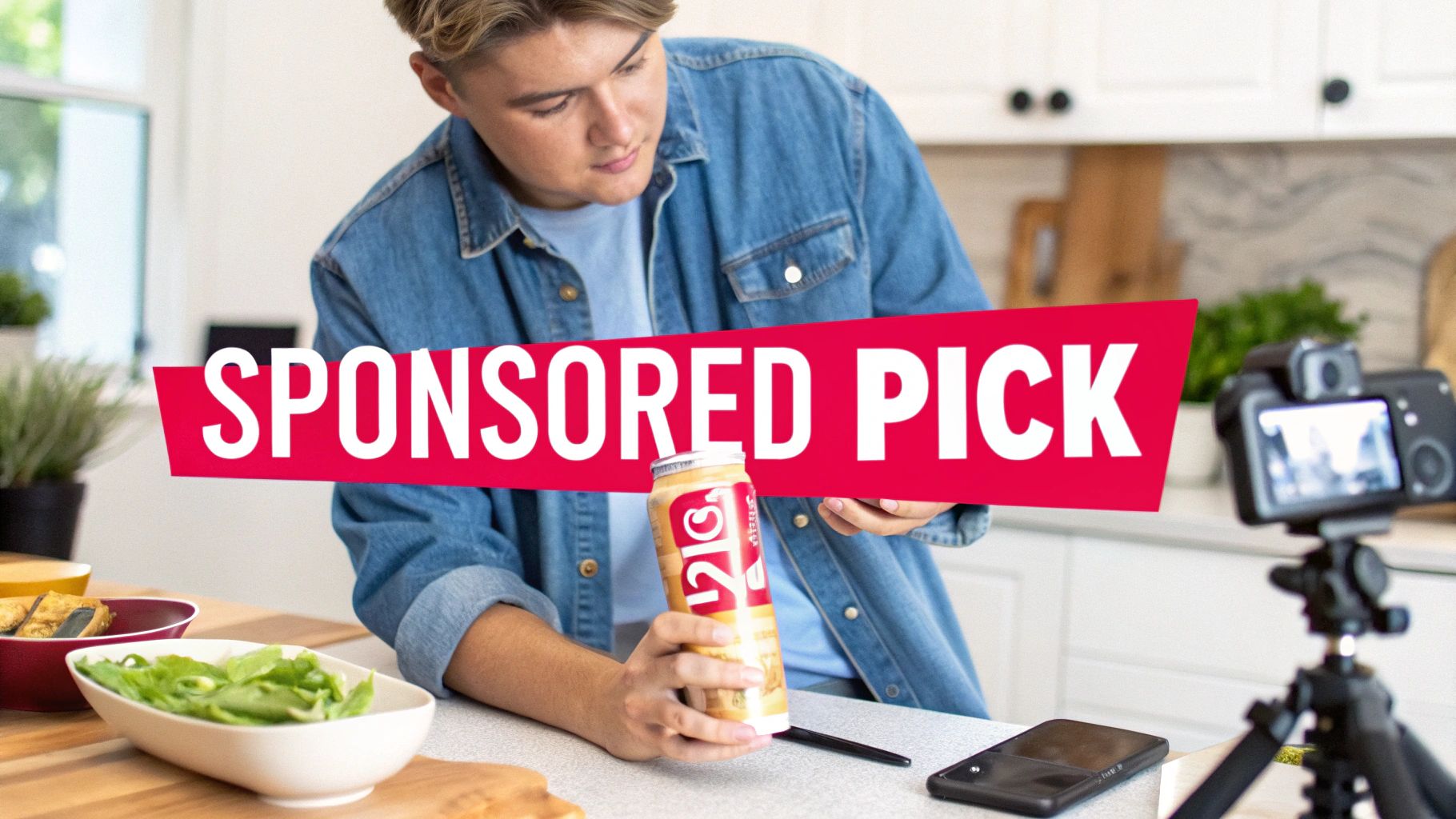
Sponsored product placement is a foundational influencer marketing strategy where a brand pays a creator to feature its product naturally within their regular content. Instead of a hard-sell advertisement, the product appears as an integral part of the influencer's lifestyle, routine, or story, making the endorsement feel authentic and trustworthy to their audience. This method leverages the creator's credibility to introduce a product in a context that resonates with followers.
This approach is highly effective for building brand awareness and driving consideration because it integrates seamlessly into the content that the audience already enjoys. For instance, a fitness influencer might use a specific brand of protein powder in their post-workout smoothie recipe video, or a travel vlogger could showcase a durable suitcase during their packing montage.
Strategic Breakdown
This type of influencer marketing example works best for top-of-funnel and mid-funnel objectives. The goal is often to generate visibility and associate the brand with a specific lifestyle or set of values embodied by the influencer.
- Campaign Objective: Increase brand awareness and product consideration.
- Creator Type: Lifestyle, niche-specific experts (e.g., beauty, fitness, tech), and macro-influencers.
- Creative Approach: The product is used organically in a photo, Reel, or Story. The creator isn't necessarily making a dedicated review but is seen using and implicitly endorsing the item.
- Key Metrics: Reach, impressions, engagement rate (likes, comments, shares), and referral traffic if using trackable links.
Key Insight: The power of product placement lies in its subtlety. When a product feels like a natural choice for the influencer, the audience perceives it as a genuine recommendation rather than a paid ad, significantly increasing its persuasive impact.
Actionable Takeaways for Brands
To execute a successful sponsored product placement, focus on alignment and creative freedom.
- Prioritize Audience Alignment: Select influencers whose followers match your ideal customer profile. A mismatch can lead to low engagement and wasted budget.
- Grant Creative Control: Provide creators with key messaging points but allow them to integrate the product in a way that feels authentic to their personal brand and content style.
- Insist on Clear Disclosures: Ensure compliance with FTC guidelines by requiring clear hashtags like #ad or #sponsored. Transparency builds trust with the audience.
- Leverage Trackable Links: Use custom affiliate links or promo codes to measure direct ROI and attribute sales to specific influencer campaigns, tying awareness efforts to tangible results.
2. Affiliate Marketing Partnerships
Affiliate marketing partnerships create a performance-based relationship where influencers promote products using unique, trackable links or discount codes. Instead of a flat fee, creators earn a commission on every sale generated through their specific link, directly tying their compensation to their ability to drive conversions. This model transforms influencers into powerful, results-driven sales partners.
This strategy is highly effective for driving bottom-of-the-funnel actions, as it incentivizes creators to make a compelling case for a product. Examples are widespread, from fashion influencers sharing their outfits on platforms like LTK (Like to Know It) to tech YouTubers using Amazon Associate links in their video descriptions for recommended gear. The model’s success lies in its mutual benefit: brands achieve measurable sales, and influencers are rewarded for their genuine impact.
Strategic Breakdown
This type of influencer marketing example is ideal for conversion-focused, bottom-of-funnel campaigns. The primary objective is to turn an influencer's audience into a brand's customers by leveraging trusted recommendations.
- Campaign Objective: Drive direct sales and conversions, measure ROI precisely.
- Creator Type: Niche experts, product reviewers, micro- and nano-influencers with highly engaged communities.
- Creative Approach: Content often includes dedicated reviews, tutorials, or "favorite product" roundups featuring a clear call-to-action with the affiliate link or code.
- Key Metrics: Conversion rate, sales revenue, cost per acquisition (CPA), click-through rate (CTR), and average order value (AOV).
Key Insight: Affiliate marketing aligns the goals of the brand and the creator. Since influencers only earn when they generate sales, they are highly motivated to create persuasive, high-quality content that effectively convinces their audience to make a purchase.
Actionable Takeaways for Brands
To build a successful affiliate program, focus on creating an attractive, scalable partnership.
- Offer Competitive Commissions: Research industry standards and offer a commission rate (typically 5-20%) that genuinely motivates creators to prioritize your products.
- Provide a Creator Toolkit: Equip your affiliates with brand assets, key messaging, product information, and high-quality samples to make promotion as easy as possible.
- Use a Reliable Tracking Platform: Implement a robust affiliate management system (like Refersion or GRIN) to accurately track clicks, attribute sales, and manage payouts.
- Implement Tiered Incentives: Motivate top performers by creating commission tiers that reward them with higher rates as they reach specific sales milestones, encouraging long-term partnership.
3. Takeover Campaigns
Takeover campaigns are a dynamic influencer marketing strategy where a brand temporarily grants a creator access to its social media accounts, typically for 24-48 hours. The influencer creates and posts content directly from the brand’s profile, offering their followers an exclusive, behind-the-scenes perspective. This method builds a direct bridge between the influencer's community and the brand, driving high engagement and cross-pollinating audiences.
This approach is particularly powerful for creating a sense of immediacy and authenticity. Instead of content being filtered through the brand, followers get a raw, live experience from a personality they already trust. For example, a travel influencer might take over Airbnb’s Instagram Stories for a weekend to document their stay, or a chef could take over a food brand’s TikTok to share exclusive recipes, making the brand feel more human and accessible.
Strategic Breakdown
This type of influencer marketing example excels at boosting community engagement and audience growth. The goal is to leverage the influencer’s unique voice to inject fresh energy into a brand’s social media presence and attract new, highly-relevant followers.
- Campaign Objective: Increase audience engagement, grow follower count, and build brand authenticity.
- Creator Type: Niche experts, brand ambassadors, and community figures with a highly engaged audience.
- Creative Approach: The creator hosts a live Q&A, posts exclusive behind-the-scenes Stories, or creates a series of in-feed posts directly on the brand’s channel.
- Key Metrics: New followers gained during the takeover period, engagement rate on takeover content, story views and completion rate, and audience sentiment.
Key Insight: The power of a takeover lies in its raw, unscripted feel. By handing over the reins, a brand signals ultimate trust in the creator, which in turn makes the content feel more genuine and compelling to both the brand's and the creator's followers.
Actionable Takeaways for Brands
To run a successful takeover campaign, brands must balance creative freedom with clear strategic alignment.
- Establish Clear Guidelines: Before the takeover, provide the influencer with a clear brief outlining content pillars, brand voice, and any off-limits topics.
- Promote the Event Heavily: Build anticipation by announcing the takeover on both the brand and creator's channels several days in advance. Use countdown stickers and teaser posts.
- Set a Specific Timeframe: Limit the takeover to a specific window, like 24 hours for Instagram Stories or a weekend for in-feed content, to create a sense of urgency.
- Monitor and Engage in Real-Time: Have a team member ready to monitor comments, answer questions directed at the brand, and provide technical support to the influencer if needed.
4. Collaborative Content Creation
Collaborative content creation is an advanced influencer marketing strategy where a brand and a creator partner as co-producers to develop original content. This approach moves beyond a simple sponsorship, involving a deep, synergistic partnership where both parties contribute to the creative vision, execution, and distribution. The result is unique, high-value content that authentically merges the brand’s message with the creator’s voice and expertise.
This method is powerful for building deeper brand affinity and creating flagship content assets that can be used across multiple channels. For example, GoPro's partnerships with extreme sports athletes to produce breathtaking video content not only showcase the camera's capabilities but also reinforce the brand's adventurous identity. Similarly, Adidas might collaborate with a star athlete to produce a short documentary series, creating content that resonates on an emotional level with their shared audience.
Strategic Breakdown
This type of influencer marketing example excels at mid-funnel and bottom-funnel objectives, aiming to build strong brand loyalty and generate high-quality, reusable marketing assets.
- Campaign Objective: Deepen brand affinity, create evergreen content assets, and drive community engagement.
- Creator Type: Niche experts, thought leaders, and creators with a strong, established creative point of view (e.g., filmmakers, artists, pro athletes).
- Creative Approach: Co-producing a content series, a short film, a detailed guide, or a podcast episode. The brand and creator share creative control and responsibilities.
- Key Metrics: Engagement rate, video view-through rate, audience sentiment, asset usage across channels, and direct feedback from the community.
Key Insight: True collaboration turns a transactional relationship into a creative partnership. By empowering creators as co-producers, brands gain access to their authentic perspective and creative engine, resulting in content that is far more resonant and impactful than a standard ad.
Actionable Takeaways for Brands
To launch a successful collaborative content project, establish a clear framework for the partnership.
- Establish a Shared Creative Vision: Co-develop a detailed creative brief that outlines the content goals, themes, tone, and target audience to ensure both parties are aligned from the start.
- Define Roles and Responsibilities: Clearly document who is responsible for what, from ideation and scripting to production and promotion. This prevents confusion and ensures a smooth workflow.
- Secure Content Usage Rights: Agree on comprehensive usage rights upfront. Define where and for how long the brand can use the co-created content to maximize its value across marketing channels.
- Plan a Multi-Platform Distribution Strategy: Work with the creator to map out a launch plan that leverages both the brand’s and the creator’s platforms for maximum reach and impact.
5. Micro-Influencer Campaigns
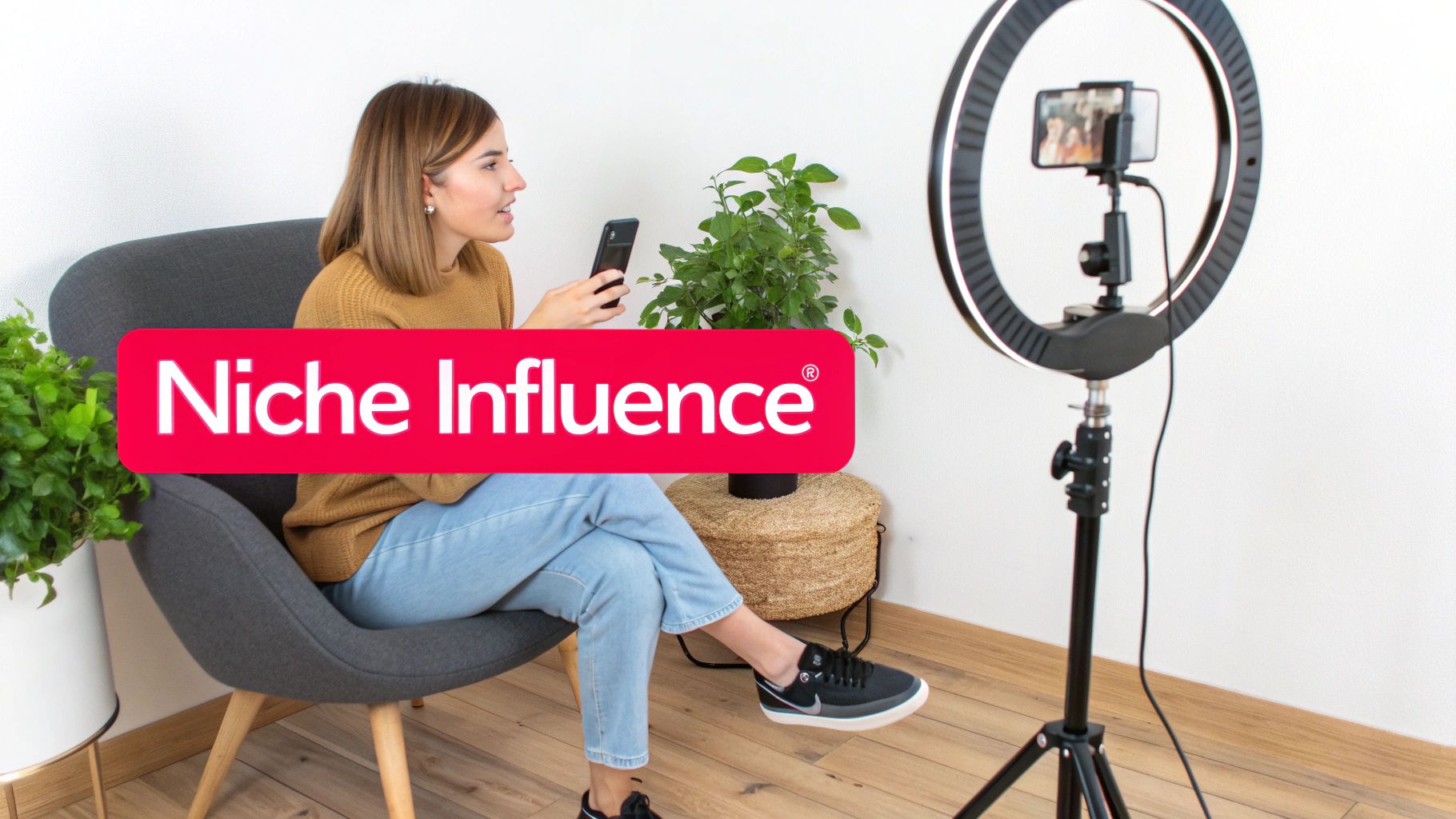
Micro-influencer campaigns involve partnering with creators who have a smaller but highly engaged following, typically between 10,000 and 100,000. These influencers often cultivate niche communities built on trust and shared interests, allowing brands to connect with specific audiences in a deeply authentic way. Unlike celebrity endorsements, micro-influencer recommendations feel like advice from a knowledgeable friend.
This strategy is particularly effective for brands looking to drive genuine engagement and conversions. For example, a sustainable fashion brand might partner with several eco-conscious creators to showcase a new clothing line, or a local restaurant could collaborate with regional food bloggers to generate buzz. The combined impact of multiple micro-influencers can often exceed that of a single macro-influencer in both reach and credibility.
Strategic Breakdown
This type of influencer marketing example excels at mid-funnel and bottom-funnel goals, driving both consideration and direct conversions due to the high trust factor. The focus is on leveraging niche authority to generate tangible results.
- Campaign Objective: Boost engagement, build community trust, and drive targeted sales.
- Creator Type: Niche experts, local tastemakers, and community leaders with 10k-100k followers.
- Creative Approach: Content is often more personal and less polished, such as "day in the life" stories, in-depth tutorials, or authentic product reviews shared via Instagram Stories, Reels, or TikTok videos.
- Key Metrics: Engagement rate (often higher than 3%), conversion rate (from promo codes or affiliate links), cost per acquisition (CPA), and audience sentiment.
Key Insight: The true value of micro-influencers is not their follower count but their audience's trust. Their recommendations carry significant weight, leading to higher-quality engagement and better conversion rates within a specific demographic.
Actionable Takeaways for Brands
To maximize ROI from micro-influencer campaigns, focus on scale, relationships, and precise targeting.
- Prioritize Engagement Over Reach: Vet potential partners by analyzing their engagement rate and comment quality. A high rate (above 3%) indicates a healthy, active community.
- Scale Your Efforts: Instead of working with one macro-influencer, partner with a portfolio of 5-10 micro-influencers to amplify your message across multiple niche communities simultaneously.
- Build Long-Term Relationships: Foster authentic advocacy by treating micro-influencers as brand partners. Offer fair compensation, creative freedom, and opportunities for ongoing collaboration.
- Streamline Your Search: Utilize specialized platforms to efficiently identify and connect with relevant creators. For more details on this process, explore these tips on how to find micro-influencers.
6. Brand Ambassador Programs
Brand ambassador programs formalize long-term, ongoing partnerships between a brand and an influencer. Instead of a one-off post, the ambassador becomes an authentic advocate, consistently integrating the brand into their content and lifestyle over an extended period. This sustained relationship builds deep, credible connections with the audience, fostering loyalty and trust that single campaigns cannot achieve.
This strategy is powerful for embedding a brand into a community’s culture. For example, Emma Chamberlain’s role with Louis Vuitton or Serena Williams' long-standing partnership with Nike goes beyond simple promotion; they embody the brand’s values. The influencer becomes a reliable, consistent face for the company, making the brand a recurring and trusted element in their followers' feeds.
Strategic Breakdown
This type of influencer marketing example is a full-funnel strategy designed for long-term brand building and sustained sales. The primary goal is to cultivate deep brand affinity and loyalty among the ambassador's audience, turning followers into dedicated customers.
- Campaign Objective: Build brand loyalty, drive consistent sales, and foster authentic, long-term advocacy.
- Creator Type: Highly-aligned micro to macro-influencers and celebrities with strong community trust and genuine passion for the brand.
- Creative Approach: A continuous stream of diverse content, including product integrations, event appearances, testimonials, and exclusive behind-the-scenes access. The relationship is woven into the creator’s narrative.
- Key Metrics: Customer Lifetime Value (CLV), repeat purchase rate, sentiment analysis, share of voice, and sales attributed through unique ambassador codes.
Key Insight: The strength of an ambassador program lies in its authenticity and duration. Repeated exposure from a trusted source moves an audience from awareness to advocacy, creating a powerful flywheel of community-driven growth.
Actionable Takeaways for Brands
To launch a successful brand ambassador program, focus on building a true partnership.
- Vet for Value Alignment: Choose ambassadors who genuinely use and love your products. Their authentic passion is not something that can be scripted and will resonate deeply with their followers.
- Establish Clear Long-Term Expectations: Create a detailed agreement covering content cadence, exclusivity clauses, and performance goals for a minimum of one year to ensure commitment.
- Treat Ambassadors like Partners: Provide them with exclusive access to new products, company news, and creative briefs. Empower them to contribute ideas to the partnership.
- Structure a Hybrid Compensation Model: Combine a consistent retainer with performance-based commissions. This model secures their commitment while motivating them to drive tangible results. For more details, explore these examples of the best brand ambassador programs.
7. Giveaway and Contest Campaigns
Giveaway and contest campaigns are high-impact collaborations where a brand partners with an influencer to offer a prize to their audience. In return for a chance to win, followers are typically required to perform specific actions like following the brand's account, liking the post, tagging friends, or sharing the content. This strategy creates a powerful incentive for immediate audience participation, making it one of the fastest ways to boost growth and engagement metrics.
This method is exceptionally effective for rapidly accelerating follower growth and generating a massive surge in brand visibility. For example, a travel influencer might partner with a resort to give away an all-expenses-paid trip, or a gaming creator could team up with a hardware company to offer a new graphics card. The value of the prize creates a viral loop of engagement as users tag friends, expanding the campaign's reach exponentially.
Strategic Breakdown
This type of influencer marketing example is a powerful tool for bottom-of-funnel list building and top-of-funnel audience growth. The primary goal is to leverage the appeal of a prize to drive specific, measurable actions from a large audience in a short time frame.
- Campaign Objective: Rapid follower growth, increased brand engagement, and lead generation (e.g., email sign-ups).
- Creator Type: Macro-influencers with broad reach or a collection of micro-influencers in a specific niche to maximize targeted engagement.
- Creative Approach: The influencer creates a dedicated post or series of Stories announcing the giveaway, detailing the prize, explaining the entry rules clearly, and building excitement around the contest.
- Key Metrics: New followers, contest entries, engagement rate (especially comments and shares), and cost per acquisition (CPA) for new followers.
Key Insight: The success of a giveaway hinges on a low barrier to entry and a high-perceived value of the prize. Simple rules (like, follow, tag) encourage mass participation, while a desirable prize ensures the campaign feels worthwhile to the audience.
Actionable Takeaways for Brands
To launch a successful giveaway campaign, focus on clear rules, valuable prizes, and transparent communication.
- Simplify Entry Requirements: Make it easy for people to enter. The most effective formula is often a combination of following your brand account, liking the post, and tagging one or two friends.
- Offer a Relevant Prize: The prize must be highly desirable to your target audience. A generic prize like a gift card may attract low-quality followers who will unfollow after the contest ends.
- Ensure Full Transparency: Clearly state the contest rules, duration, and how and when the winner will be announced. Adhere strictly to platform guidelines (e.g., Instagram's promotion policies) and legal requirements.
- Amplify Through Multiple Channels: Have the influencer promote the giveaway across different formats, like a main feed post and multiple reminder Stories with countdown timers to maximize participation.
8. Educational Content and Tutorials
Educational content and tutorials are an influencer marketing strategy where a creator showcases a product's value by teaching their audience how to use it. This format moves beyond simple endorsement to provide tangible utility, positioning the influencer as a trusted expert and the product as an indispensable tool for achieving a specific outcome. The focus is on demonstrating value through application, making it a powerful way to build user confidence.
This approach is particularly effective for products with a learning curve or multiple features, such as software, complex beauty products, or specialized equipment. For instance, a tech reviewer might create a detailed tutorial on the advanced features of a new camera, or a cooking influencer could demonstrate how to use a specific kitchen appliance to create a gourmet meal. This method builds deep product understanding and desire.
Strategic Breakdown
This type of influencer marketing example is ideal for mid-funnel and bottom-funnel objectives, as it is designed to overcome purchase hesitation and drive conversions by showcasing a product's direct benefits and ease of use.
- Campaign Objective: Drive product consideration, educate potential customers, and increase conversion rates.
- Creator Type: Niche experts, educators, DIY creators, and reviewers with established credibility (e.g., tech, beauty, fitness, cooking).
- Creative Approach: The influencer creates a step-by-step guide, "how-to" video, or comprehensive tutorial that solves a specific problem for their audience using the brand's product.
- Key Metrics: Watch time, audience retention, click-through rates on product links, comment sentiment (e.g., questions about the product), and conversion rate from promo codes.
Key Insight: Educational content transforms a product from an abstract item into a tangible solution. By showing how a product works and the results it delivers, influencers remove friction in the buyer's journey and build a strong case for purchase based on utility and value.
Actionable Takeaways for Brands
To launch a successful educational content campaign, prioritize clarity, expertise, and practical value.
- Select True Experts: Partner with influencers who have genuine, demonstrable expertise with your product category. Their credibility is essential for the tutorial to be convincing.
- Collaborate on a Structured Format: Work with the creator to outline a clear, easy-to-follow tutorial. Suggest using timestamps or chapters in video descriptions to help viewers navigate the content.
- Showcase the "Aha!" Moment: Ensure the content clearly highlights the key feature or benefit that solves a common pain point for your target audience, creating a moment of realization for the viewer.
- Repurpose Content for Support: Use clips from the tutorial as customer support assets, on product pages, or in email marketing to help new customers get the most value from their purchase.
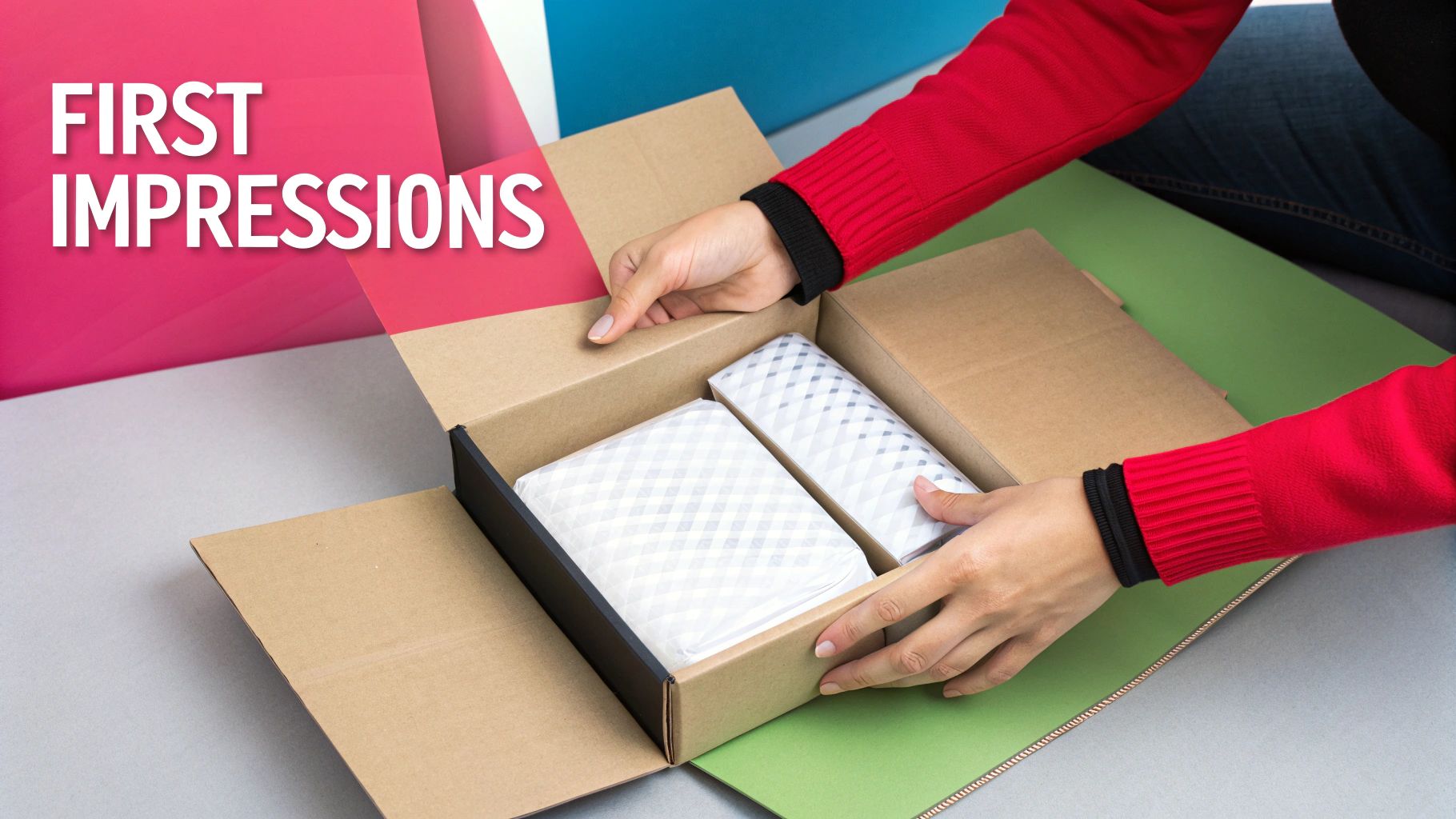
9. Unboxing and Product Review Videos
Unboxing and product review videos are a cornerstone of influencer marketing where creators film their first impressions and detailed assessments of a product. This format taps into audience curiosity and the desire for authentic, third-party validation, moving beyond a simple endorsement to a comprehensive critique. Viewers get an unfiltered look at the product, from packaging to performance, building significant trust and credibility.
This approach is particularly powerful for high-consideration purchases in categories like tech, beauty, and gaming, where consumers actively seek in-depth information before buying. Creators like MKBHD or beauty gurus unboxing subscription boxes offer their audiences a vicarious experience, helping them make informed decisions and often creating viral launch-day buzz.
Strategic Breakdown
This type of influencer marketing example excels at mid-funnel and bottom-of-funnel objectives, as it directly addresses purchase intent and overcomes buyer hesitation with detailed information and social proof.
- Campaign Objective: Build product credibility, educate consumers, and drive conversions.
- Creator Type: Niche experts, tech reviewers, beauty gurus, and micro to macro-influencers known for honest, in-depth analysis.
- Creative Approach: A dedicated long-form video (often on YouTube) showcasing the unboxing process, initial reactions, and a thorough review of product features, pros, and cons.
- Key Metrics: Video views, watch time, audience retention, click-through rates (CTR) on product links, and sales attributed via affiliate codes.
Key Insight: The value of a review video lies in its perceived honesty. Allowing an influencer to provide a balanced and even constructively critical review can be more persuasive than a purely positive one, as it enhances their credibility and makes the endorsement feel genuine.
Actionable Takeaways for Brands
To launch a successful unboxing and review campaign, focus on transparency and strategic creator selection.
- Choose Reviewers Known for Integrity: Partner with creators respected for their unbiased and thorough reviews. Their credibility is your most valuable asset.
- Provide Guidelines, Not a Script: Offer key features and messaging points, but give the creator the freedom to form their own opinions. A scripted review will feel inauthentic.
- Time Your Product Seeding: Send products well in advance, especially for launches with review embargoes. This gives the creator ample time to test the product and produce a high-quality video.
- Embrace Constructive Feedback: Be prepared for reviews that are not 100% positive. Honest feedback can provide valuable product insights and builds more trust with the audience than a flawless, unbelievable endorsement.
10. Cause-Based and Social Impact Campaigns
Cause-based campaigns involve brands partnering with influencers to promote social causes, charitable initiatives, or impact-driven messages. This strategy aligns a brand with specific values, building deeper, more emotional connections with audiences who prioritize corporate social responsibility. Instead of focusing solely on a product, the campaign centers on a shared mission, leveraging the influencer's passion to drive awareness and action.
This approach is powerful for enhancing brand reputation and appealing to conscious consumers. It demonstrates that a brand's purpose extends beyond profit. For example, an environmental influencer might partner with a sustainable apparel brand for a beach cleanup initiative, or a social justice advocate could collaborate with a company to promote a fundraising drive for a specific non-profit organization.
Strategic Breakdown
This type of influencer marketing example excels at building brand affinity and loyalty, positioning the company as a positive force for change. The focus is on shared values rather than direct sales.
- Campaign Objective: Enhance brand reputation, build community trust, and drive engagement around a social cause.
- Creator Type: Activists, non-profit leaders, and macro or micro-influencers known for their genuine commitment to specific social or environmental issues.
- Creative Approach: The content often involves storytelling, calls to action (like signing petitions or donating), or documenting real-world impact. It's less about product and more about the mission.
- Key Metrics: Engagement rate, shares, sentiment analysis, press mentions, and specific action-based goals (e.g., dollars raised, signatures collected).
Key Insight: Authenticity is non-negotiable. Audiences can easily spot "performative activism." A successful cause-based campaign requires a genuine, long-term commitment from the brand that aligns with its core mission, not just a temporary marketing trend.
Actionable Takeaways for Brands
To launch a meaningful cause-based campaign, prioritize authenticity and measurable impact.
- Ensure Authentic Mission Alignment: Partner with causes and influencers that genuinely reflect your brand's core values. A shoe company like TOMS promoting a "buy-one-give-one" model is a natural fit.
- Vet Influencers for Genuine Passion: Look beyond follower counts. Select creators with a proven history of authentic advocacy for the cause you are supporting.
- Set Concrete Impact Goals: Define what success looks like beyond impressions. Aim to raise a specific amount of money, volunteer a certain number of hours, or achieve a tangible policy change.
- Practice Radical Transparency: Be clear about your commitments, including donation amounts or the specifics of your partnership. Follow through on your promises and report on the results to build trust.
10 Influencer Marketing Examples Compared
| Strategy | 🔄 Implementation Complexity | ⚡ Resource Requirements | 📊 Expected Outcomes | 💡 Ideal Use Cases | ⭐ Key Advantages |
|---|---|---|---|---|---|
| Sponsored Product Placement | Low — simple briefs, minimal coordination | Low — product samples + fee | Moderate — awareness & engagement; trackable via links | Everyday consumer goods, lifestyle branding | Authentic feel; cost-effective; high engagement |
| Affiliate Marketing Partnerships | Medium — tracking, agreements, attribution setup | Low — platform fees, tracking tools | High — performance-driven sales & measurable ROI | E‑commerce, direct-response campaigns | Pay-for-performance; scalable; transparent ROI |
| Takeover Campaigns | Medium‑High — access handover, risk management | Medium — monitoring, coordination, live support | High (short-term) — engagement spikes & new audience reach | Product launches, events, awareness pushes | Fresh perspective; highly shareable; urgency-driven |
| Collaborative Content Creation | High — joint ideation, approvals, rights negotiation | High — production time & budget, creative resources | High — authentic, multi‑platform reach & lasting assets | Storytelling, premium products, series content | Deep authenticity; unique co‑branded content |
| Micro-Influencer Campaigns | Medium — manage multiple creators & logistics | Low‑Medium — per‑creator fees + management overhead | Moderate‑High — strong niche engagement & conversions | Niche products, local campaigns, DTC brands | Higher engagement rates; cost-effective; niche trust |
| Brand Ambassador Programs | High — long‑term contracts, vetting, ongoing management | High — sustained compensation, perks, relationship management | High (long-term) — consistent messaging & brand loyalty | Brand building, sustained campaigns, flagship lines | Sustained advocacy; deep audience trust |
| Giveaway and Contest Campaigns | Low‑Medium — rules, legal compliance, prize logistics | Medium — prize costs, promotional spend | High (short-term) — follower and engagement spikes | Product launches, rapid audience growth campaigns | Fast reach growth; generates UGC and buzz |
| Educational Content and Tutorials | Medium‑High — expertise, scripting, longer production | Medium‑High — production quality, prep time, product access | High — trust, evergreen value, higher conversion rates | Complex products, B2C education, how‑to use cases | Demonstrates value; builds credibility and SEO |
| Unboxing and Product Review Videos | Low‑Medium — shipping logistics, review guidelines | Low — product samples; basic production | Moderate‑High — purchase intent; credibility gains | Electronics, beauty, lifestyle products | Authentic first impressions; engaging & persuasive |
| Cause-Based and Social Impact Campaigns | Medium‑High — stakeholder alignment, authenticity checks | Medium — partnerships, donation mechanisms, reporting | High (reputational) — brand affinity, PR, loyalty | CSR initiatives, values-driven branding | Emotional connection; reputation building; differentiation |
From Examples to Execution: Your Next Steps
We've journeyed through a diverse landscape of impactful influencer marketing campaigns, from the authentic unboxing videos on YouTube to the viral potential of TikTok Shop collaborations. Each influencer marketing example we dissected was more than just a successful promotion; it was a masterclass in strategic partnership, creative alignment, and measurable results. The common thread weaving through them all is a commitment to authenticity and a deep understanding of the target audience.
The campaigns showcased demonstrate that there is no one-size-fits-all formula. Success can be found in the explosive reach of a mega-influencer's sponsored post just as it can in the high-engagement, trust-driven recommendations from a network of micro-influencers. The key is to move beyond simply renting an influencer's audience and instead focus on co-creating value that resonates.
Synthesizing the Core Strategies
As you transition from studying examples to building your own campaigns, let's distill the most critical takeaways. These principles are the strategic bedrock upon which the most successful partnerships are built.
- Objective-First Planning: Every powerful campaign began with a clear, specific goal. Whether it was driving direct sales, increasing brand awareness, or generating user-generated content, the objective dictated the choice of creator, platform, and creative approach.
- Authenticity Over Everything: The most compelling content felt native to the creator's channel. Brands that grant creative freedom and trust their partners to speak in their own voice forge a more genuine connection with the audience, bypassing the skepticism often aimed at traditional ads.
- The Power of Niche Communities: Micro-influencer and nano-influencer campaigns consistently proved their value, delivering exceptional engagement rates and ROI. Their deep-seated trust within specialized communities is a powerful asset for brands looking to make a meaningful impact.
- Data-Driven Decision Making: From creator selection to performance analysis, data was paramount. Tracking metrics like engagement rate, click-through rate, conversion rate, and cost per acquisition is non-negotiable for understanding what works and optimizing future efforts.
Your Actionable Blueprint for Success
Theory is valuable, but execution is what drives growth. Here are the immediate next steps you can take to translate the inspiration from each influencer marketing example into a tangible, high-performing campaign for your own brand.
- Define Your "Why": Before you even think about creators, solidify your primary campaign objective. Is it to launch a new product? Drive holiday sales? Boost social proof with UGC? Write it down and make it your North Star.
- Profile Your Ideal Creator: Move beyond follower count. Define the ideal creator based on audience demographics, engagement quality, content style, and brand values. Does their community align perfectly with your target customer?
- Craft a Clear, Flexible Brief: Your creative brief should provide clear guidelines on key messages, deliverables, and mandatory elements (like FTC disclosures). However, it must also leave room for the creator's unique voice and creativity to shine.
- Establish Your Tracking System: Set up UTM parameters, unique discount codes, and affiliate links before the campaign goes live. You need a reliable system to attribute sales and measure performance accurately from day one.
- Build or Outsource: Decide whether you will manage your influencer program in-house or partner with an expert. For brands seeking external expertise and established processes, researching the top influencer marketing agencies can provide the dedicated support and strategic oversight needed to scale your efforts effectively. This step can save significant time and resources, especially when you're just starting.
By applying these lessons, you can transform your influencer marketing from a series of one-off experiments into a consistent, scalable, and profitable growth channel. The examples in this article are not just success stories; they are replicable frameworks waiting for your brand's unique touch.
Ready to move from inspiration to implementation? JoinBrands is the platform designed to help you discover vetted creators, manage campaigns seamlessly, and track your ROI all in one place. Stop searching and start creating by exploring our network of over 250,000 creators today. Find your perfect influencer match on JoinBrands!