


 What is an Amazon Storefront: Complete Setup & Strategy Guide for 2026
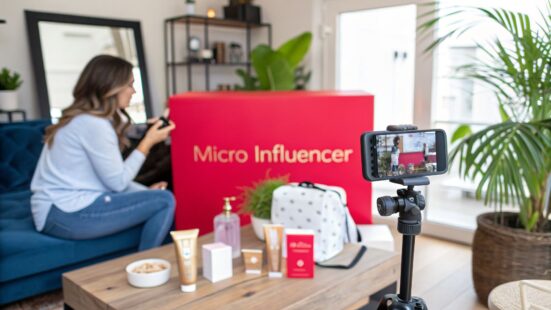
If you're trying to wrap your head around influencer marketing, the term "micro influencer" can feel a bit fuzzy. It’s not just about hitting a certain follower number. A modern micro influencer definition is all about their tight-knit community and deep authority in a specific niche.
Think of them less like a distant celebrity on a billboard and more like the trusted president of a passionate hobby club. Their voice carries weight because they're one of the community.
Table of Contents
What Is a Micro Influencer in 2026?
Let’s get one thing straight: rigid follower counts are old news. While you’ll typically see micro influencers with an audience between 10,000 and 100,000 followers, their real power isn't in the size of their audience, but in the strength of their connection to it.
These are the creators who have built a loyal following around a very specific passion, whether that's sustainable fashion, small-space gardening, or retro gaming. Their recommendations don't feel like a paid ad; they feel like getting advice from a friend who really knows their stuff.
Practical Example: A creator with 15,000 super-engaged followers in a niche like vegan skincare can be a goldmine for a direct-to-consumer (DTC) brand – often driving more real sales than a macro influencer with 500,000 passive viewers.
This is why understanding their place in the ecosystem is so important. To really get a feel for the bigger picture of social media marketing influencers, you need to look beyond the numbers.
The Three Core Traits of a Micro Influencer
A true micro influencer isn't just someone with a decent following. They’re defined by three key qualities that make them so effective for brands.
- Niche Authority: They are the go-to person for a specific topic. Their audience doesn't just follow them for entertainment; they follow them for credible, expert advice.
- High Engagement: Their content actually starts conversations. We're talking engagement rates of 3-10%, which blows the typical 1-3% seen on massive accounts out of the water.
- Authentic Influence: Their community genuinely trusts their judgment, so when they recommend a product, people listen – and often, they buy. This trust is earned over time through consistent, valuable content.
Pro Tip: Don't just look at follower counts and likes. explore the comment section. Are people asking thoughtful questions and sharing real experiences, or is it just a wall of fire emojis? Real conversation is the ultimate sign of genuine influence.
These three traits build on each other to create the perfect storm for impactful marketing.

It all starts with niche authority. That authority is what fuels high engagement, and together, they create the authentic influence that makes these creators such powerful partners. If you want to dig deeper, you can learn more about working with every type of influencer in our complete guide.
Influencer Tiers by Follower Count and Key Traits
To give you a clearer picture, here’s a quick reference guide comparing the different influencer tiers. This will help you see exactly where micro influencers fit in and what makes them unique.
| Influencer Tier | Typical Follower Range (Instagram/TikTok) | Primary Strength |
|---|---|---|
| Nano | 1,000 – 10,000 | Hyper-local community, highest trust |
| Micro | 10,000 – 100,000 | Niche authority and high engagement |
| Macro | 100,000 – 1 Million | Broad reach and high-quality content |
| Mega/Celebrity | 1 Million+ | Massive awareness and celebrity appeal |
As you can see, each tier has its own strengths. While a mega influencer can put your brand in front of millions, a micro influencer offers a targeted, trusted recommendation that can drive incredible results on a smaller, more dedicated scale.
Why Micro Influencers Are a Secret Weapon for E-commerce

While the giant follower counts of mega-influencers are tempting, smart direct-to-consumer (DTC) brands are quickly learning where the real power is: with micro influencers. Their value isn’t in vanity metrics; it’s in the genuine impact and business results they produce. These creators are a strategic advantage, not just another line item in your marketing budget.
It all boils down to authenticity. A recommendation from a micro influencer feels less like a polished ad and more like a real tip from a friend you trust. This creates powerful social proof – that feeling we get when we see others using and loving a product, which makes us want to try it, too. When a potential customer sees someone they relate to using your product, their hesitation to buy melts away.
Pro Tip: Leverage social proof by encouraging influencers to ask their followers to share their own experiences with your product in the comments. This turns a single post into a community testimonial hub, amplifying trust even further.
This trust isn't just a feeling; it translates directly into better performance. Micro influencers have far better engagement rates. Their audience isn't just scrolling by – they’re actually liking, commenting, and saving the content, which is a goldmine for driving real conversions.
Driving Authentic Sales and Building Brand Trust
Think about it like this: a small-batch coffee roaster could pay a fortune for a celebrity who might not even drink coffee. Or, they could partner with a local creator who geeks out daily over their pour-over setup and favorite beans.
Practical Example: When that "coffee enthusiast" micro influencer posts a genuine video about the brand's new roast, their audience listens because they share that same specific passion. It’s an unscripted, real experience that builds more trust – and drives more sales – than a generic ad ever could.
Plus, a huge benefit here is cost-effectiveness. You can often partner with a whole squad of these creators for less than the cost of a single post from a macro influencer. This lets you diversify your marketing and hit several niche audiences all at once.
Turning a Challenge into a Scalable Growth Engine
Of course, there's a catch. Juggling a dozen different creator relationships, deliverables, and payments sounds like a nightmare, right? Trying to manage it all with spreadsheets and email chains can quickly turn into a full-time job.
This is where having a solid campaign management process is non-negotiable if you want to scale.
- Pro Tip: Your best bet is to use an all-in-one creator marketing platform. These tools bring everything – from finding creators and messaging them to approving content and processing payments – under one roof. This is how you turn a logistical headache into a repeatable, scalable growth engine for your brand.
- Practical Example: Instead of chasing down ten different people for content drafts via email, you manage approvals from a single dashboard. This saves dozens of hours and prevents costly miscommunications, ensuring your campaign launches on time.
By using the right tools, you can tap into the collective power of micro influencers without getting buried in admin work. You unlock a steady stream of authentic content and sales that keeps on giving.
How Micro Influencers Perform on Different Platforms

Not all social media platforms are created equal. A strategy that crushes it on Instagram can completely flop on TikTok. That's because each network has its own unique culture, content style, and audience expectations.
A solid micro influencer definition isn't complete without understanding where they create content. Their real power is tied to the platform they've mastered. Your job is to match your brand's goals – whether that's generating authentic reviews, driving quick sales, or building long-term trust – to the right environment.
Instagram for Visual Storytelling
Instagram is still the king of visually stunning content. For micro-influencers, it's a natural home for creating beautiful photos, Reels, and Stories that feel both aspirational and relatable.
- Practical Example: A sustainable fashion brand could team up with micro-influencers for a "Style My Tee" Reel challenge. This generates tons of authentic content, gives followers real-world style ideas, and pushes traffic to a link in their bio.
- Pro Tip: Don't sleep on Instagram Stories for direct engagement. Features like polls, Q&As, and quizzes let micro-influencers spark genuine conversations about your product. It’s a great way to get valuable customer feedback while building a community.
TikTok for Virality and Direct Sales
TikTok is all about short, punchy, personality-driven video. Authenticity is the name of the game here, and micro-influencers are experts at making content that feels like a natural part of the feed, not a clunky ad. It's the perfect place to grab attention fast and maybe even start a trend.
Plus, the rise of TikTok Shop has turned the app into a powerful sales machine. Micro-influencers can tag your products right in their videos, making it ridiculously easy for viewers to go from discovery to checkout in just a few taps. It’s a major advantage for impulse buys.
Pro Tip: For TikTok, give influencers creative freedom. The best-performing content often feels organic and unscripted. Provide a loose brief with key messages, but let them create a video in their own authentic style. The more it looks like a native TikTok, the better it will perform.
YouTube for In-Depth Trust Building
While Instagram and TikTok are built for speed, YouTube is where micro-influencers go to build deep, lasting trust. Long-form video gives them the space for detailed tutorials, brutally honest reviews, and "how-to" guides that truly solve a viewer's problem.
Practical Example: Imagine a micro-influencer creating a 15-minute video reviewing your new skincare line. They can break down the ingredients, show exactly how to apply it, and document their results over a few weeks. You just can't get that level of detail on other platforms, and it’s incredibly persuasive for customers who are serious about making a purchase.
Amazon for High-Intent Shoppers
Don't forget about Amazon. The Amazon Influencer Program allows creators to produce shoppable photos and videos that show up right on product detail pages. This is huge. You're catching customers at the exact moment they're ready to buy.
Practical Example: A shopper is already on your product page, comparing it to competitors. A short, helpful video from a relatable micro-influencer demonstrating how to assemble your product could be the final nudge they need to click "Add to Cart." It’s the ultimate bottom-of-funnel conversion tool.
Micro Influencer Platform Comparison for DTC Brands
So, where should you focus your budget? This table breaks down the strengths of each platform to help you align your campaign goals with the right environment.
| Platform | Best For | Primary Content Format | Key Metric to Watch |
|---|---|---|---|
| Building brand aesthetic, visual storytelling | High-quality photos, Reels, Stories | Engagement Rate, Story Views | |
| TikTok | Driving virality, trends, and impulse buys | Short-form video | Shares, Video Views, Sales |
| YouTube | Building deep trust, detailed education | Long-form video, tutorials | Watch Time, Click-Through Rate |
| Amazon | Closing sales with high-intent shoppers | Shoppable videos, photos | On-platform Sales, Conversions |
the best platform depends entirely on what you want to achieve. For broad awareness and aesthetic appeal, Instagram is your go-to. For quick sales and the potential for virality, it's all about TikTok. For building authority and educating your audience, YouTube is unmatched. And for converting shoppers who are ready to buy now, Amazon is your secret weapon.
Decoding the Real Cost of Micro Influencer Marketing
Let's get one thing straight. When we talk about partnering with micro influencers, we need to stop thinking about 'cost' and start thinking about 'investment.'
This isn't like buying a billboard. You're investing in real content, genuine community trust, and – most importantly – sales you can actually track. But what does that investment look like in practice?
The price tag isn't one-size-fits-all. It really depends on the creator's track record, what you're trying to achieve with your campaign, and exactly what you're asking them to create.
Common Compensation Models
Most partnerships will fall into one of four buckets. Each has its place.
Product Gifting: This is your entry point, perfect for creators who are just starting out or for nano influencers. You send them free products, and they create content in return. It's a low-cost way to get some early buzz and user-generated content (UGC).
Flat Fees: This is the standard for most established micro influencers. You agree on a fixed price for specific deliverables, like one Instagram Reel and a set of three Stories. It’s clean, professional, and ensures you get what you paid for.
Affiliate Commissions: This is a pure performance play. Creators earn a cut of every sale they drive using their unique link or discount code. It's a fantastic way to tie your spending directly to revenue.
Hybrid Deals: This is the model we see working best right now. It mixes a smaller flat fee with an affiliate commission. This gives the creator some security for their time and effort while giving them a real incentive to push for sales. It’s a true win-win.
Pro Tip: When negotiating a hybrid deal, offer a tiered commission structure. For example, 10% on the first 50 sales, then 15% on any sales after that. This heavily incentivizes top-performing creators to keep promoting your product long after the initial post.
Realistic Price Ranges and Key Factors
So, what should you actually budget? Rates are all over the map, but here are some realistic 2026 starting price ranges for a single piece of content from a quality micro influencer.
| Content Deliverable | Typical Price Range (USD) |
|---|---|
| Instagram Post (with photos) | $150 – $500+ |
| Instagram Reel (30-60 sec) | $250 – $800+ |
| TikTok Video (15-60 sec) | $200 – $750+ |
| Dedicated YouTube Review (5-10 min) | $500 – $1,500+ |
A few things can push these prices up or down. If a creator has a killer engagement rate (think over 5%), they can and should charge more. The same goes for exceptionally high-quality video production or if you ask for exclusivity (meaning they can't work with your competitors).
But one of the most important – and often forgotten – factors is content usage rights. By default, the creator owns the content they make for you.
Pro Tip: Always, always negotiate for usage rights in your contract. Getting the rights to repurpose that influencer-generated content (IGC) on your own channels is a major advantage. Paying a little extra upfront for these rights can dramatically multiply the value of your initial spend, turning one great post into a high-performing ad that drives sales for months.
Finding and Vetting the Right Micro Influencers
Nailing down the perfect micro-influencer for your brand is a mix of art and science. You could spend hours scrolling through hashtags and checking out who your competitors are working with, but that’s a slow grind that often misses the best creators. Using modern creator discovery tools is a much faster way to build a list of potential partners.
But once you have that list, the real work begins. You need a solid game plan for vetting these creators that goes way beyond just glancing at their follower count. The goal is to find people who are actually building real communities and would be a natural fit for your brand.
Look for Authentic Audience Conversations
The first thing you should do is dive deep into their comment sections. This is where you’ll find the truth about their actual influence.
Pro Tip: Ignore the generic "love this!" and fire emoji comments. You're looking for real questions about the products they feature. Are followers sharing their own stories or asking for details? That kind of specific, thoughtful engagement is a goldmine – it’s a clear sign of an audience that trusts the creator.
A lively comment section shows that the creator’s content is sparking real dialogue, not just passive scrolling. This is a core part of what makes a micro-influencer so valuable; they lead conversations, not just collect likes.
Assess Content Quality and Brand Fit
Next, put on your critical hat and really look at their content. Does the quality of their photos, their video editing style, and their overall vibe match your brand’s standards? Look for consistency. A creator who puts out high-quality, on-brand content day after day is someone you can count on to deliver professional work for your campaign.
- Practical Example: If you’re a minimalist skincare brand, you wouldn’t partner with a creator whose feed is chaotic and cluttered, even if their engagement numbers are great. You need someone whose personal style feels like a natural extension of your own.
Beyond looks, ask yourself if a partnership would feel forced. Have they posted about similar products or values in the past? A creator who has already shown a real interest in your niche will create content that feels a thousand times more believable than someone who’s just in it for a paycheck. For a deeper explore the discovery process, check out our guide on how to find micro-influencers.
Red Flags Checklist to Avoid Bad Partnerships
Vetting isn’t just about finding the good stuff; it’s also about spotting the warning signs. A bad partnership can be worse than no partnership at all and can seriously damage your brand's reputation.
Here’s a quick checklist of red flags to look out for:
- Engagement to Follower Ratio is Off: A creator with 50,000 followers but only 10 likes per post is a huge red flag for fake followers.
- Generic, Repetitive Comments: Watch out for bot-like comments or a stream of posts from other influencers just trying to game the algorithm.
- Inconsistent Posting Schedule: A feed that’s sporadic or looks abandoned suggests they aren’t professional or committed.
- Controversial or Off-Brand Content: Do a deep explore their past posts. Make sure their values and sense of humor won't clash with your brand’s public image.
Taking the time to properly vet creators is how you ensure your partnerships are safe, effective, and a true extension of your brand’s voice.
Measuring the True Success of Your Campaign

If you can’t measure your campaign, you can't improve it. It’s that simple. The real beauty of working with micro-influencers is that you can actually see and track their impact. This means moving past vanity metrics like follower counts.
The true micro influencer definition is all about getting results, not just getting seen. To prove that your campaign is actually moving the needle, you have to match your key performance indicators (KPIs) to what you’re trying to achieve.
KPIs for Brand Awareness
If your main goal is getting your brand in front of fresh, relevant eyeballs, you’ll want to watch top-of-funnel metrics. These numbers tell you how many people are seeing your brand, often for the very first time.
- Reach: The total number of unique people who saw the creator’s post.
- Impressions: The total number of times the post was shown on a screen, whether it was clicked or not.
Pro Tip: While high reach and impressions are good, pay close attention to the relevance of that audience. Ask creators for a breakdown of their audience demographics (age, location, gender) to ensure you're reaching the right people, not just a lot of people.
KPIs for Audience Engagement
This is where micro-influencers really pull their weight. Engagement metrics prove that the audience isn't just scrolling past your content – they’re actually interacting with it. That’s a huge signal of real interest.
Practical Example: High engagement shows the creator's recommendation actually landed with their community. Look for comments asking about the product or shares that spread the word organically. These are the signs of genuine influence at work.
Here’s what to look for:
- Comments: Quality beats quantity here. You want to see real questions and conversations happening.
- Shares: When someone shares a post to their own Story or sends it to a friend, that’s a powerful endorsement.
- Saves: This tells you people found the content so useful they want to come back to it later. It's a goldmine for tutorials or styling content.
KPIs for Driving Conversions
most e-commerce brands are here for the sales. Conversion metrics are what connect your influencer marketing spend directly to revenue, giving you undeniable proof of your ROI. This is where you have to get serious about tracking.
- Pro Tip: Use UTM links for any link you have a creator put in their bio or Stories. These special URLs let you see exactly how much traffic and how many sales came from that specific influencer right in your analytics.
- Practical Example: Give each micro-influencer a unique discount code (like "CREATOR15"). This is one of the easiest ways to attribute sales directly to their efforts, no questions asked.
By tracking metrics like click-through rates (CTR), add-to-carts, and sales from promo codes, you can calculate a real return on your investment. If you want to go deeper on what to track, we break down all the important content performance metrics in our dedicated guide.
Finally, you need to be sure the creators you're working with are who they claim to be. Using a modern search engine for people can be a smart move to help verify identities during your vetting process.
Common Questions About Micro-Influencers
We get a lot of questions about working with micro-influencers. Here are some quick, straight-to-the-point answers that clear things up.
How Many Micro-Influencers Do I Need for a Campaign?
There’s no single magic number here. A great starting point for any brand is to test the waters with 3-5 well-vetted creators to see what kind of content and messaging clicks with your audience.
Practical Example: A new beverage brand might partner with one foodie influencer, one fitness creator, and one busy mom. This allows them to test which audience segment responds best before scaling their budget.
Success isn't about volume; it's about fit. Three amazing creators who genuinely love your product will always outperform ten who are just going through the motions. Quality over quantity is the name of the game.
Should I Pay Them or Just Send Free Products?
While gifting products might work with some nano-influencers (those with under 10k followers), it's not the professional standard for established micro-influencers. Creating quality content is their job, and it takes real time and creative energy.
Pro Tip: The best approach is often a hybrid model: offer a fair flat fee plus the free product. This shows you respect their work, secures their commitment, and frames the deal as a real business partnership – which is exactly what you want for getting the best results.