
 TikTok Affiliate Programme: Your Complete Guide to Success
In the crowded digital marketplace, simply launching an app is not a strategy for success. The real challenge is capturing user attention, driving consistent downloads, and fostering long-term engagement that translates into revenue. This requires a sharp, multi-channel approach. The most effective mobile app marketing strategies don't just focus on a single tactic; they integrate user acquisition, retention, and measurement into a cohesive growth engine.
This guide provides a complete roundup of ten essential strategies, moving beyond generic advice to offer actionable insights and real-world examples. From mastering App Store Optimization (ASO) to activating powerful creator partnerships and viral content, you'll gain a strategic framework to elevate your app's performance. We'll explore how to measure what matters, optimize your budget, and build a sustainable growth plan. To truly succeed in the competitive app market, it's crucial to implement effective tactics, as outlined in this guide to 10 Proven Mobile App Marketing Strategies for Explosive Growth in 2026.
Prepare to transform your mobile marketing from a cost center into a powerful business driver. We will cover critical areas including:
- User Acquisition: Attracting new, high-value users through targeted campaigns.
- Retention & Engagement: Keeping users active with personalized communication.
- Measurement & Optimization: Using data to refine your approach and maximize ROI.
This listicle is designed for founders, marketers, and developers aiming to move beyond the download and build a true mobile app powerhouse.
Table of Contents
1. Influencer and Creator Partnerships
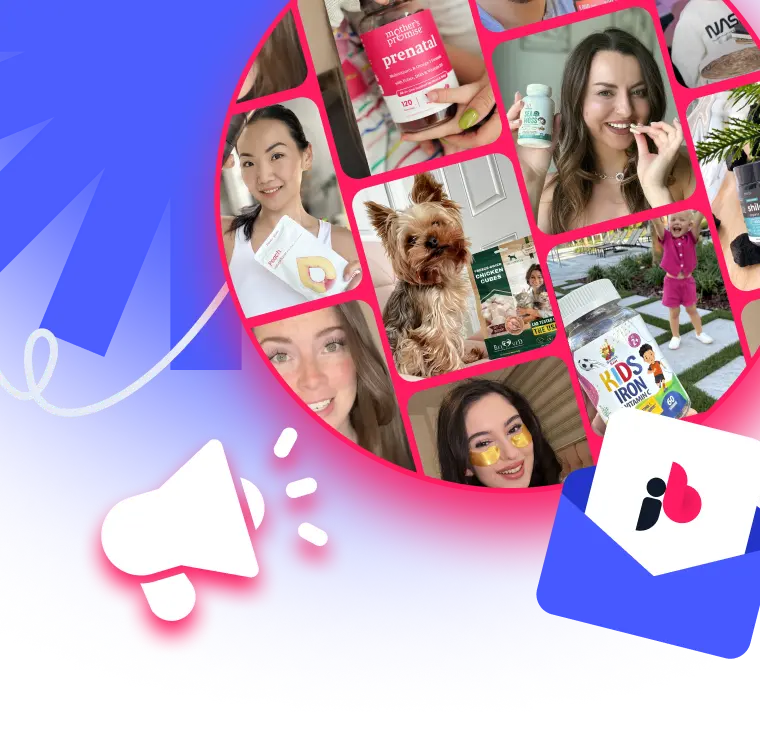
One of the most effective mobile app marketing strategies involves collaborating with established influencers and content creators. This approach taps into a creator's trusted relationship with their audience, allowing your app to be introduced through an authentic and relatable voice. Instead of a direct ad, the app promotion is woven into content that viewers already enjoy, such as tutorials, "day in the life" vlogs, or product reviews.

For direct-to-consumer (DTC) brands, this method is especially powerful. A creator can demonstrate how your app simplifies their shopping experience, showcases new products, or provides exclusive deals. This direct endorsement from a trusted source can significantly increase app downloads and user engagement.
Practical Example: The language-learning app Duolingo partners with travel and education creators on YouTube. These creators document their journey of learning a new language for an upcoming trip, showcasing the app's features naturally and demonstrating its real-world value to an audience already interested in travel and self-improvement.
Actionable Tips for Implementation
To get the most out of creator collaborations, focus on strategic execution.
- Set Clear Goals in Your Brief: Provide creators with a campaign brief that outlines key messaging and objectives but allows for creative freedom. Authenticity suffers when content is overly scripted. To start building a successful creator campaign, you can learn more about structuring your outreach and briefs.
- Track Performance with Unique Links: Always use unique, trackable links or promo codes for each creator. This is critical for measuring ROI and identifying your top-performing partners by attributing app installs directly to their efforts.
- Pro Tip: Build Long-Term Relationships: Prioritize building ongoing partnerships with creators whose audiences consistently convert. One-off campaigns are less effective than sustained collaborations that build brand familiarity and trust over time. Consider an "always-on" affiliate program for your best partners.
- Repurpose Creator Content: Get the rights to repurpose creator-generated content for your own paid ads, social media feeds, and email newsletters. This provides a steady stream of authentic, high-performing creative assets at a lower cost than studio production.
2. App Store Optimization (ASO)
App Store Optimization (ASO) is the foundational process of improving an app's visibility and conversion rate within the Apple App Store and Google Play Store. This discipline combines technical SEO with creative marketing to help your app rank higher in search results and persuade potential users to install it. It involves optimizing your app's name, description, keywords, screenshots, and video previews to attract organic downloads.

Think of ASO as the storefront for your mobile app. A strong ASO strategy ensures that when users search for solutions your app provides, you appear prominently.
Practical Example: The meditation app Calm uses keywords like "sleep," "meditation," and "relax" in its title and subtitle. Its screenshots are not just feature displays; they are benefit-oriented, showing phrases like "Improve Sleep Quality" and "Reduce Stress & Anxiety," which directly addresses user needs and boosts conversion.
Actionable Tips for Implementation
To turn your app store page into a high-converting asset, focus on continuous testing and refinement.
- Conduct Thorough Keyword Research: Identify high-traffic, relevant keywords your target audience uses to find apps like yours. Use tools like Sensor Tower or data.ai (formerly App Annie) to analyze competitor keywords and uncover ranking opportunities. Place your most important keywords in the app title and subtitle for maximum impact.
- Create Compelling Visuals: Your app icon, screenshots, and preview video are your most powerful conversion tools. Test multiple screenshot sequences that highlight core features and user benefits. A short (15-30 second) preview video showcasing the app's primary use case can dramatically increase install rates.
- Write Persuasive Copy: The first few lines of your app description are critical. Lead with a clear call-to-action and your strongest value proposition. Localize your listing with translated keywords and culturally relevant visuals to expand into international markets.
- Pro Tip: Manage Ratings and Reviews: Proactively encourage happy users to leave positive reviews through well-timed in-app prompts (e.g., after a successful purchase or level completion). Monitor all reviews to gather valuable feedback, identify bugs, and show potential users that you are an engaged and responsive developer.
3. User-Generated Content (UGC) Campaigns
User-Generated Content (UGC) campaigns are a powerful mobile app marketing strategy centered on your own users. This approach encourages customers to create and share content-like photos, videos, and reviews-that authentically features your app. By incentivizing participation, you can build a strong sense of community, generate powerful social proof, and acquire a library of cost-effective marketing assets.
For e-commerce apps, UGC is particularly effective. It showcases real people using your products in their everyday lives, adding a layer of authenticity that studio-produced content often lacks.
Practical Example: GoPro built its brand by running UGC campaigns centered on its "Photo of the Day" and "Video of the Day" contests. Users submit their most epic action shots captured with GoPro cameras, and the best ones are featured on GoPro's massive social channels, creating a continuous stream of thrilling content that perfectly markets the product.
Actionable Tips for Implementation
To launch a successful UGC campaign, you need a clear framework that encourages participation and makes it easy for users to contribute.
- Create a Branded Hashtag Campaign: Establish a unique and memorable hashtag for your campaign. Promote it with clear guidelines and offer meaningful incentives-such as discounts, prizes, or a feature on your official channels-to motivate users.
- Source and Curate Quality Content: Platforms can help you source high-quality UGC from verified creators, ensuring your campaigns are filled with compelling and brand-safe assets. If you're looking for an organized way to manage this process, you can build an effective user-generated content strategy with the right tools.
- Establish Clear Content Rights: Before using any customer content, ensure you have explicit permission. A simple checkbox on a submission form or clear terms in your campaign rules can establish the rights you need to repurpose content for ads and social media.
- Pro Tip: Celebrate and Repurpose Submissions: Feature the best user content across all your marketing channels, including paid ads, email newsletters, and your social feeds. Actively responding to and celebrating user submissions fosters a positive community and encourages ongoing participation.
4. Performance Marketing and In-App Advertising Networks
Performance marketing is a data-driven strategy centered on paid user acquisition channels where you only pay for measurable results, such as app installs, registrations, or in-app purchases. This approach uses mobile ad networks like Google App Campaigns, Meta Ads (Facebook), and TikTok Ads to reach potential users with precision. Campaigns are continuously optimized based on performance metrics to maximize return on investment (ROI).
For direct-to-consumer (DTC) brands, this method provides a direct and scalable path to growth with clear attribution. You can track exactly how much it costs to acquire a new user and measure their value over time.
Practical Example: The mobile game RAID: Shadow Legends uses performance marketing on YouTube and Twitch, sponsoring creators to play the game and running highly targeted video ads that showcase exciting gameplay. By tracking installs and in-app purchases from these campaigns, they can precisely calculate their return on ad spend (ROAS) and scale their budget effectively.
Actionable Tips for Implementation
To build a successful performance marketing engine, a methodical and data-first approach is key.
- Start with High-Intent Channels: Begin your paid efforts on platforms where user intent is highest, such as Apple Search Ads and Google App Campaigns. These channels capture users actively searching for apps like yours, often resulting in lower acquisition costs and higher-quality installs.
- Pro Tip: Test Creative Variations Relentlessly: Create multiple ad variations that test different messaging, visuals, videos, and calls-to-action (CTAs). Isolate one variable at a time (e.g., test three different headlines with the same image) to understand what drives clicks and conversions, then iterate on the winners.
- Implement Robust Attribution: Use a Mobile Measurement Partner (MMP) like AppsFlyer, Adjust, or Branch. This is critical for accurately attributing installs to the correct channel and campaign, preventing you from scaling a channel that isn't actually performing.
- Use Lookalike Audiences: Once you have a solid user base, create lookalike audiences based on your best-performing segments, such as users with high lifetime value (LTV). This allows platforms like Facebook and Google to find new users who share characteristics with your most valuable customers. To get a better handle on the fundamentals, you can explore what performance-based advertising is and how to structure your first campaigns.
5. Social Media Marketing and Viral Content Strategy
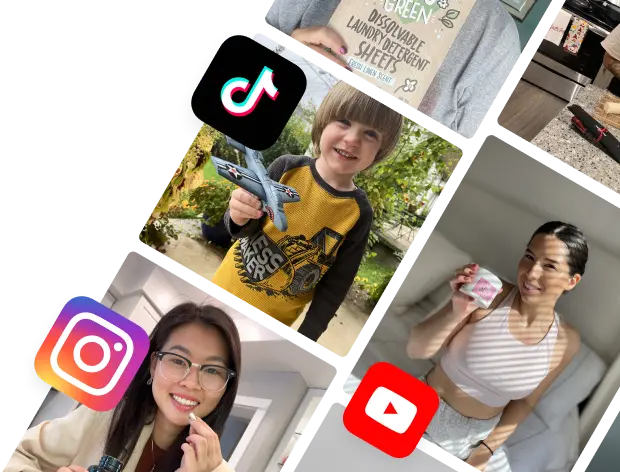
A powerful mobile app marketing strategy involves creating a strong presence on social media platforms like TikTok, Instagram, and YouTube. This approach goes beyond standard advertising by focusing on producing shareable, entertaining, or educational content that resonates deeply with a target audience. The goal is to spark conversations and build an engaged community, turning followers into loyal app users through strategic calls-to-action.

This method treats social platforms not just as promotional channels but as a core part of the product experience.
Practical Example: Duolingo mastered this by giving its owl mascot a quirky, unhinged personality on TikTok, generating millions of views and making the brand a cultural phenomenon. This humor-filled, trend-aware content built immense brand affinity, which directly translated into app downloads and sustained user engagement without relying heavily on paid ads.
Actionable Tips for Implementation
To build a social media presence that drives app installs, focus on authenticity and consistency.
- Develop a Unique Content Pillar: Define a clear brand voice. Are you educational (like a finance app explaining market trends), inspirational (like a fitness app sharing success stories), or entertaining (like Duolingo)? This focus makes your content recognizable and memorable.
- Embrace Platform-Native Formats: Create content specifically for each platform. What works on Instagram Reels won't necessarily succeed on YouTube Shorts or TikTok. Adapt your message and style to fit the native user experience and expectations.
- Pro Tip: Act Quickly on Trends: Viral potential often lies in timeliness. Use trending sounds, formats, and hashtags within 24-48 hours of their emergence to join relevant conversations and increase your content’s visibility. Dedicate a small part of your content calendar to "reactive" posts.
- Engage Authentically with Your Community: Respond to comments, feature user-generated content, and participate in discussions. Building a genuine community transforms passive followers into active brand advocates who will organically promote your app.
6. Email Marketing and Push Notifications
Direct communication channels like email and push notifications are foundational mobile app marketing strategies for engaging and retaining users. These tools allow you to speak directly to your audience, delivering personalized messages that drive specific actions, from opening the app to making a purchase. While push notifications offer real-time, in-the-moment pings, email provides a space for richer, more detailed content.
This one-two punch is especially effective for DTC and e-commerce apps.
Practical Example: Spotify sends a push notification "Your Discover Weekly is ready!" every Monday, a timely and personalized prompt that drives re-engagement. If a user hasn't opened the app in a while, it might follow up with an email showcasing a new podcast based on their listening history. This coordinated approach keeps users engaged across multiple touchpoints.
Actionable Tips for Implementation
To make your direct messaging count, focus on personalization, timing, and value.
- Segment Your Audience: Group users based on their behavior, lifecycle stage, and purchase history. A new user should receive a welcome series, while a loyal customer might get exclusive early access to a sale.
- Personalize Your Content: Use the user's first name, reference their past purchases, or highlight abandoned cart items. Personalized subject lines and notification copy significantly increase open and click-through rates.
- Pro Tip: Automate with Behavioral Triggers: Set up automated campaigns triggered by user actions like completing a purchase, using a new feature, or inactivity. For a fitness app, this could be a congratulatory push notification after a user completes their first 7-day streak, reinforcing positive behavior.
- Respect User Preferences and Frequency: Avoid notification fatigue by limiting message frequency and allowing users to manage their preferences. Implementing a preference center where users can choose the types of notifications they receive is a best practice. Beyond push notifications, robust email advertising marketing campaigns are vital for user retention and engagement.
- Optimize for Mobile: Ensure your emails are designed mobile-first with clear, concise copy and a prominent call-to-action (CTA) that deep-links directly to the relevant screen in your app.
7. Referral and Viral Growth Programs
One of the most powerful mobile app marketing strategies is to turn your existing user base into an active acquisition channel. Referral and viral growth programs work by incentivizing satisfied users to become brand advocates. They receive rewards like credits, discounts, or exclusive features for inviting friends, creating a sustainable growth loop where acquisition costs can decrease as the program gains momentum.
This strategy transforms your app's most engaged users into a dedicated growth engine. It is especially effective for marketplace, community-driven, and fintech apps where network effects are strong.
Practical Example: Dropbox built a significant portion of its user base by offering extra storage space to both the referrer and the new user. This "give-get" model made the referral feel like a gift rather than a sales pitch, fueling its viral expansion and keeping acquisition costs low.
Actionable Tips for Implementation
To build a referral program that drives real growth, focus on creating a frictionless and compelling experience.
- Design a Simple Sharing Process: Make it incredibly easy for users to share their unique referral link or code. A one-click sharing mechanism integrated with popular messaging and social apps is essential for reducing friction and encouraging participation.
- Offer Compelling Dual-Sided Incentives: The best referral programs reward both the existing user and the new user they bring in. This creates a win-win scenario, making the invitation feel more like a gift than an advertisement. Robinhood’s free stock reward for both parties is a prime example.
- Pro Tip: Time Your Referral Prompt Strategically: Introduce the referral program after a user has experienced your app's core value (the "aha moment"). Prompting them to share right after they complete a key action, achieve a milestone, or give a positive rating capitalizes on their peak satisfaction.
- Track Your Viral Coefficient: Monitor the viral coefficient (k-factor), which measures how many new users each existing user brings. This key metric helps you understand the program's effectiveness and identify areas for optimization to accelerate growth.
8. Content Marketing and Educational Value Strategy
A powerful, long-term approach to mobile app marketing is creating and distributing valuable, educational, and relevant content. This strategy centers on producing materials like blog posts, tutorials, guides, and podcasts that attract your target audience by addressing their questions and pain points. Instead of directly advertising your app, you build trust and establish thought leadership, creating organic pathways for users to discover and adopt your product.
This method is especially effective for SaaS and productivity apps. Educational content that demonstrates your app's utility and teaches best practices attracts qualified users who are already seeking solutions.
Practical Example: The design platform Canva runs a "Design School" blog and YouTube channel with tutorials on topics like "How to Design a Logo" and "Social Media Marketing 101." This free educational content attracts aspiring designers and marketers who then discover Canva is the perfect tool to apply what they've learned.
Actionable Tips for Implementation
To build a successful content engine, focus on providing genuine value and strategic distribution.
- Address User Pain Points: Use keyword research and community feedback to identify the top questions your target users are asking. Create content that directly answers "how-to" and "best practices" queries related to your app's domain.
- Pro Tip: Create Pillar and Cluster Content: Develop comprehensive "pillar" guides on broad topics (e.g., "The Ultimate Guide to Mobile Photography") and support them with smaller "cluster" articles on specific sub-topics (e.g., "Best iPhone Camera Settings for Portraits"). This structure improves SEO authority and user navigation.
- Optimize for Search and Engagement: Embed video tutorials in blog posts to increase dwell time and cater to different learning styles. Ensure every post is optimized for on-page SEO with relevant keywords, clear structure, and compelling meta descriptions.
- Include Clear Calls-to-Action: Every piece of content should guide the user on their next step. Add clear CTAs that link directly to your app store page, a feature landing page, or a free trial sign-up.
- Repurpose Content Across Formats: Maximize your efforts by repurposing a single idea into multiple formats. A detailed blog post can become a video tutorial, an infographic, a podcast episode, and a series of social media tips, expanding your reach.
9. Spark Ads and Native Advertising Formats
An increasingly essential part of modern mobile app marketing strategies is using native advertising formats that blend with a platform's organic content. Formats like TikTok’s Spark Ads and Instagram Reels Ads allow brands to promote their app by amplifying authentic, user-generated, or creator-produced content, making the promotion feel less like a disruptive interruption. This approach results in higher engagement and less friction for the user.
For mobile apps, especially those in e-commerce, gaming, and lifestyle, this method is exceptionally effective.
Practical Example: A fashion e-commerce app identifies a TikTok video from a creator organically styling their clothes that is getting high engagement. Instead of creating a new ad, the brand uses Spark Ads to boost that creator's video to a wider, targeted audience, complete with a "Shop Now" button that links directly to their app. This leverages existing, proven content for maximum impact.
Actionable Tips for Implementation
To maximize the impact of your native advertising, focus on creative authenticity and smart targeting.
- Source High-Performing Creator Content: Identify existing TikToks or Reels from creators that are already performing well organically. Promoting proven content is less risky than starting from scratch. You can find creators who produce natively authentic content by exploring platforms designed for these partnerships.
- Optimize for Mobile-First Viewing: Ensure all video creative is in a vertical format (9:16) and designed for sound-off viewing with clear on-screen text or captions. The first three seconds are critical, so include a strong visual hook to stop the scroll.
- Pro Tip: Test and Rotate Creatives: A/B test different creator videos against brand-produced content to see what resonates most with your target audience. Continuously rotate your ad creatives every 2-4 weeks to prevent ad fatigue and maintain high engagement rates.
- Include a Clear Call-to-Action (CTA): Your ad must guide users on what to do next. Use clear, direct CTAs like "Download the App," "Shop Now in the App," or "Play Now" that link directly to the appropriate app store.
10. Event Marketing and Community Building
A powerful mobile app marketing strategy involves moving beyond digital screens to create tangible connections through events and community forums. This approach centers on building direct relationships with users by sponsoring or hosting experiences like launch parties, user conferences, virtual webinars, and in-person meetups. Instead of just acquiring users, you cultivate a loyal community that advocates for your brand organically.
For brands aiming to build a dedicated following, events provide memorable touchpoints that generate authentic word-of-mouth marketing.
Practical Example: The fitness app Strava encourages and sponsors local running and cycling clubs. These community-led events strengthen user bonds and reinforce the app's central role in their fitness lives. Strava also hosts global challenges (e.g., "Run 5k in May") that create a sense of shared purpose and friendly competition among millions of users.
Actionable Tips for Implementation
To turn events and communities into a growth engine, focus on creating value and fostering genuine connections.
- Start with Virtual Events: To manage costs and scale your efforts, begin with online events like webinars or monthly "office hours." These sessions are excellent for user education, Q&As, and gathering direct feedback without the logistical burden of in-person gatherings.
- Pro Tip: Create an Exclusive Community Space: Establish a dedicated hub for your most engaged users on platforms like Discord, Slack, or a private Facebook Group. This space becomes a valuable asset for beta testing new features, sourcing testimonials, and identifying potential brand ambassadors before a wider rollout.
- Empower Community Ambassadors: Identify your most passionate users and empower them to lead local meetups or organize online events. Providing them with resources and recognition turns them into an extension of your marketing team, building grassroots momentum.
- Create Content Around Your Events: Maximize the impact of every event by creating content before, during, and after. Build anticipation with pre-event hype, share live updates, and repurpose key moments into highlight reels, blog posts, and social media content to extend the event's reach.
10 Mobile App Marketing Strategies Comparison
| Strategy | 🔄 Implementation Complexity | ⚡ Resource Requirements & Speed | ⭐ Expected Outcomes | 💡 Ideal Use Cases | 📊 Key Advantages / Impact |
|---|---|---|---|---|---|
| Influencer and Creator Partnerships | Moderate — creator vetting, coordination | Moderate cost; variable lead time depending on creator schedules | High engagement and trust; increased installs & repeat use | DTC, e‑commerce, lifestyle apps seeking authentic reach | High engagement rates, UGC assets, strong conversion from credibility |
| App Store Optimization (ASO) | Technical, ongoing — keyword & creative testing | Low-to-moderate cost; slow to compound impact | Sustainable organic installs and high-intent users over time | All apps; essential for discoverability and long-term organic growth | Lower long-term CPA, improved store visibility, compounding traffic |
| User-Generated Content (UGC) Campaigns | Low–Moderate — campaign setup, moderation, rights mgmt | Low production cost; moderate time to collect quality content | Authentic social proof, increased engagement and conversions | E‑commerce, lifestyle, community-driven apps | Cost-effective content pipeline, stronger social proof, community growth |
| Performance Marketing & In‑App Ad Networks | High — multi-channel optimization and attribution | High budgets; rapid acquisition and fast feedback loops | Fast installs with measurable ROI; scalable growth when funded | Apps needing immediate scale and measurable ROAS | Granular targeting, measurable CPA/ROAS, rapid scaling potential |
| Social Media & Viral Content Strategy | Moderate — consistent content creation and trend response | Moderate resources; potential for rapid viral spikes | High awareness & engagement when successful; unpredictable | Consumer apps targeting Gen Z / mass awareness campaigns | Organic reach potential, community building, durable content library |
| Email Marketing & Push Notifications | Low–Moderate — segmentation, automation setup | Low cost per message; immediate engagement possible | Strong retention, re‑engagement, and lifecycle revenue lift | Apps with existing users; DTC retention and re‑engagement | High ROI, personalized lifecycle journeys, scalable automation |
| Referral & Viral Growth Programs | Moderate — tracking, rewards, anti‑fraud systems | Low variable acquisition cost; requires user base to scale | Very efficient CAC if viral loop achieves momentum | Marketplaces, network effects, apps with built-in sharing | Lowest CAC potential, high-quality referred users, sustainable growth |
| Content Marketing & Educational Strategy | Moderate–High — content production & SEO expertise | High time and skill investment; slow ROI but compounding | Qualified, high-LTV users; strong trust and SEO authority | SaaS, productivity, B2B apps needing education-led adoption | Thought leadership, SEO compounding, durable acquisition channel |
| Spark Ads & Native Advertising Formats | Moderate — platform-specific creative optimization | Moderate budgets; fast performance with native formats | High engagement and lower friction installs on native platforms | Brands targeting mobile-first, younger demographics | Native feel, better engagement than display, integrates creator content |
| Event Marketing & Community Building | High — logistics, moderation, ongoing investment | Resource-intensive; slower to scale but deep engagement | Deep loyalty, word-of-mouth, and advocacy over time | Niche communities, B2B, products needing strong retention | Strong user relationships, organic amplification, direct feedback |
Activating Your Integrated Mobile Growth Strategy
The journey through the ten mobile app marketing strategies detailed in this guide reveals a clear truth: sustainable growth is not born from a single tactic. It is the result of a deliberate, interconnected system where each component reinforces the others. We’ve moved beyond simply acquiring users; the goal now is to build a thriving ecosystem around your app. Your success hinges on how well you weave these individual threads into a strong, cohesive fabric.
Simply running a performance marketing campaign in isolation is a recipe for a high churn rate. But when you support that campaign with strong App Store Optimization (ASO) for discoverability, compelling user-generated content for social proof, and a well-timed push notification sequence to onboard new users, you create a powerful flywheel effect. This is the essence of modern mobile app marketing strategies: integration over isolation.
From Silos to Synergy: Your Actionable Roadmap
Thinking of these strategies as a checklist is a common mistake. Instead, view them as a dynamic toolkit. The key is not just what you do, but how and when you do it. To put these concepts into practice, consider this phased approach:
Phase 1: Build Your Foundation. Before spending a single dollar on ads, your "house" must be in order. This means perfecting your ASO with targeted keywords and compelling visuals. At the same time, develop your initial content marketing plan to establish your app's value proposition. Without this base, any traffic you generate will leak out as quickly as it came in.
Phase 2: Ignite Initial Acquisition. With a solid foundation, you can begin layering on acquisition channels. Start with a mix of creator partnerships and targeted performance marketing. For example, a fitness app might partner with micro-influencers to create authentic workout videos while running paid ads on Meta platforms targeting users interested in wellness and personal health. This dual approach combines authenticity with scalable reach.
Phase 3: Engineer Retention and Community. As new users arrive, your focus must immediately shift to keeping them. This is where your push notification and email marketing strategies come into play. Don't just send generic "come back" messages. Segment users based on their in-app behavior. Did a user complete their first workout but not their second? Send them an encouraging push with a tip for staying motivated. It’s this level of personalization that turns a first-time user into a loyal advocate.
Pro Tip: Map out your user journey from first discovery to becoming a power user. Identify key drop-off points and design specific marketing interventions for each one. For instance, if users abandon your e-commerce app after adding an item to their cart, trigger an automated email with a small discount or a reminder of the product's benefits 24 hours later.
The Power of Measurement and Iteration
Executing these mobile app marketing strategies without a robust measurement framework is like navigating without a compass. Your analytics are not just for reporting; they are for decision-making. Consistently track your core KPIs:
- Cost Per Install (CPI): What does it cost to acquire a user from each channel?
- Lifetime Value (LTV): How much revenue does an average user generate over their time with your app? The goal is an LTV significantly higher than your CPI.
- Retention Rate: What percentage of users return after day 1, day 7, and day 30?
- Viral Coefficient (K-factor): How many new users does each existing user bring in through referral programs?
By analyzing these metrics, you can confidently double down on what works and cut what doesn't. You might discover that while influencer campaigns have a higher initial CPI, those users have a 50% higher LTV, making them a more profitable long-term investment. This is the data-driven insight that separates amateur marketers from professional growth teams. The path forward is a continuous loop: implement, measure, learn, and iterate. This disciplined process is what will ultimately build a resilient, profitable, and beloved mobile application.
Ready to put these strategies into action? Sourcing high-quality, authentic content from creators is a cornerstone of modern app marketing. JoinBrands provides a platform that connects you with thousands of vetted content creators to generate the exact User-Generated Content (UGC) you need for your social media campaigns, Spark Ads, and performance marketing creative. Take the guesswork out of creator partnerships and start building your library of high-converting content by visiting JoinBrands today.