
 10 Best TikTok Affiliate Outreach Tools for 2026
Most advice about PR boxes gets the main thing wrong. It treats the box like the strategy.
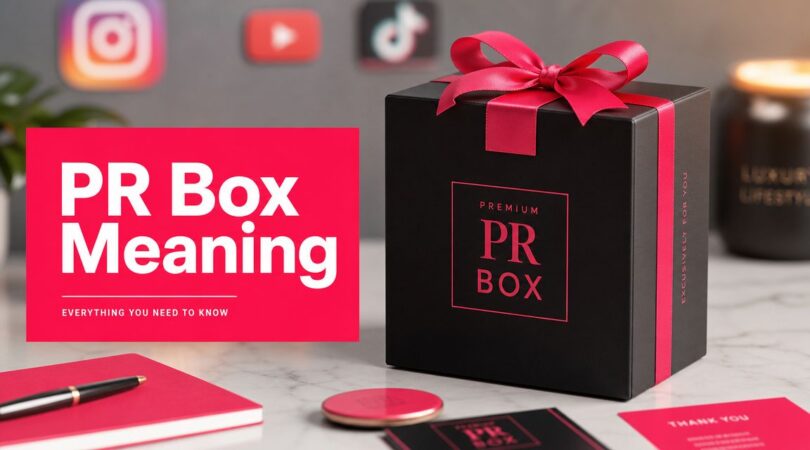
It isn't. A beautiful mailer can still fail if it reaches the wrong creator, arrives at the wrong moment, or gives the recipient no clear reason to talk about it. The modern pr box meaning is much closer to a campaign asset than a gift. Brands use it to spark earned media, seed creator content, and create social proof that can travel well beyond the person who opens the package.
That shift matters. Teams aren't just asking, "What should go in the box?" They're asking better questions: who should receive it, what kind of content should it trigger, how should disclosure work, and how do you tell whether the shipment changed awareness, sentiment, or sales behavior.
Table of Contents
What a PR Box Means in 2026
A PR box isn't just a free product drop. In current creator marketing practice, it's a curated promotional package sent to influencers to generate awareness and earned media, and teams judge its success through outcomes such as impressions, clicks, user-generated content, and sales, as described in Swanky's guide to PR box strategy.

That definition sounds simple, but the use case has changed. Traditional press packages were built for editors and media gatekeepers. Today's PR boxes usually sit inside an influencer and creator workflow, where the ideal outcome isn't just coverage. It's an unboxing, a review, a mention in a short-form video, or a piece of creator content that adds credibility because it feels discovered rather than bought.
What changed
The old model was publicity-first. The newer model is earned content plus measurable follow-through.
A strong box now carries three jobs at once:
- Brand storytelling: It tells the recipient what the product is, why it matters, and why now.
- Content enablement: It gives the creator enough texture, packaging, and product context to make posting easy.
- Relationship building: It signals care, taste, and relevance. That matters when a brand wants future collaboration, not just one mention.
A PR box works best when the recipient feels, "This brand understands my audience and made this easy to share."
What brands often misunderstand
A PR box is not guaranteed media. That's the trade-off.
You can spend heavily on packaging and still get silence if the creator fit is wrong. You can also send a simpler kit and get strong organic traction if the product is relevant, the packaging is camera-friendly, and the timing matches a launch or trend cycle. In practice, the best operators treat PR gifting as one layer in a broader creator system, not a replacement for paid creator partnerships with deliverables.
That is what a pr box means now. It isn't product distribution. It's a deliberate attempt to turn a shipment into attention, trust, and downstream content.
The Anatomy of an Unforgettable PR Box
The boxes that get opened on camera usually don't win because they're expensive. They win because the brand made smart choices about what to send, how to personalize it, and how to present it.
One source puts it cleanly: the highest-performing boxes combine product samples, personalized messaging, and high-quality branded packaging, because the unboxing experience itself becomes part of the content value, as noted by Pietra Studio's PR box breakdown.

Product selection
Start with the obvious question most brands skip. What does this creator need to make a good piece of content?
For skincare, that may mean the hero product plus one supporting product that helps explain routine order. For food brands, it may mean a variety pack that gives the creator options for taste-test content. For apparel, sending the right size and style matters more than stuffing the box with extras.
A practical filter:
| Decision | What usually works | What usually fails |
|---|---|---|
| Hero item | One clear featured product | Too many equal-priority products |
| Supporting items | Add-ons that help tell the story | Random swag with no content purpose |
| Quantity | Enough to test or demonstrate naturally | So much product that the point gets diluted |
Don't confuse generosity with clarity. If the creator can't tell what the featured story is, the audience won't either.
Personalization
A PR box ceases to feel mass-produced.
A note should do more than say thanks. It should tell the recipient why they were chosen. Mention the kind of content they already make, a preference they've publicly shared, or the audience angle that makes the product relevant for them. That doesn't need to be overly familiar. It just needs to feel specific.
Useful forms of personalization include:
- Creator-specific notes: Reference the creator's niche, not just their name.
- Customized product selection: Match shades, flavors, sizes, or use cases to what they cover.
- Simple prompts: Suggest one or two angles they could explore, without sounding like a script.
Practical rule: If you could swap the note into any other box without changing a word, it isn't personalized enough.
Presentation
Packaging is not decoration. It's a content device.
The outer box, insert card, tissue, product arrangement, and reveal order all shape whether the unboxing feels flat or share-worthy. Brands that understand pr box meaning build for the camera. They think about first frame, color contrast, readability, and how quickly the product benefit becomes visible.
A few details matter more than brands expect:
- Opening sequence: The first thing visible should orient the creator fast.
- Brand cues: Include recognizable but not overpowering branding.
- Information hierarchy: Keep product education skimmable.
- Durability: Premium doesn't help if the item arrives damaged.
The best presentation doesn't just look polished on a desk. It gives the creator a ready-made story arc.
The Strategy Behind Sending a PR Box
Campaigns usually miss because the objective is fuzzy, not because the packaging was weak.
That distinction matters more in 2026, when PR boxes sit between gifting, creator partnerships, and performance marketing. A box can introduce a launch, seed usable UGC, give creators a better demo experience, or strengthen a relationship before a paid brief. It rarely does all four well at the same time. Strong strategy starts with one primary outcome, then builds the recipient list, product mix, timing, and follow-up around that outcome.

Outside guidance on PR packages points to the same two drivers repeatedly: who receives the box, and what kind of content the brand wants to prompt. Custom Box Makers on PR package strategy explains that better targeting and a clear content angle improve the odds that a package gets opened, filmed, and shared.
Match the box to the outcome
Different goals require different decisions.
- Launch buzz: Ship close to the release window. Put the hero product first. Give enough context for a creator to explain why this launch matters now, not three weeks from now.
- UGC seeding: Prioritize creators who already post demos, routines, reactions, or before-and-after content. The goal is usable footage, not just reach.
- Relationship building: Reduce direction and increase thoughtfulness. This works best when the brand wants familiarity and goodwill that can turn into future paid work.
- Retail or shelf differentiation: Physical product brands need packaging that survives transit and still reads well on camera. Afida's guide to food packaging branding is a useful reference if the product has to perform both as a shipper and as a visual brand asset.
Creator fit matters more than raw audience size
Reach can create awareness. It cannot create relevance.
A kitchen tool belongs with a creator who shows real cooking habits. A technical product belongs with someone who explains products clearly and can answer the audience's likely objections. I have seen niche creators with tighter audience trust produce better saves, comments, and downstream conversion than larger accounts that looked impressive on a spreadsheet but had weak category fit.
A simple comparison helps:
| Recipient type | Best use | Watch-out |
|---|---|---|
| Broad-reach creator | Fast awareness and social visibility | Lower relevance if the niche is loose |
| Niche creator | Credibility and stronger product-context fit | Less broad exposure |
| Journalist or editor | Category validation and coverage | Less likely to create social-style content |
| Existing customer creator | Authenticity and practical demos | Needs outreach and rights planning |
When to gift and when to brief
Gifting is best for discovery, affinity, and organic response. Paid briefs are better when the brand needs posting dates, usage rights, a specific format, talking points, or a retail moment supported by content on schedule.
That trade-off gets ignored in a lot of PR box advice. Teams send gifts, hope for deliverables, and then treat silence like underperformance. The core issue is program design. If the business goal depends on guaranteed output, the brand needs a contracted creator campaign, not a goodwill package with implied expectations.
A practical setup is to split the list. One group receives PR boxes with no posting obligation. Another group gets a formal brief, compensation, and approval terms. That separation protects relationships, clarifies measurement, and makes ROI easier to read because earned response and paid output are not mixed together.
Don't ask a gifting program to produce the certainty of a paid campaign. Those are two different tools with two different economics.
Execution and Compliance Best Practices
Creative concept gets the attention. Operations determine whether the campaign survives contact with reality.
A good PR box program needs product availability, creator data hygiene, packaging that survives shipping, and a clear internal rule for disclosure. Many teams frequently get messy, overbuilding the box, underbuilding the process, and then losing visibility once packages leave the warehouse.
Build the workflow before you ship
Treat PR boxes like an operational program, not a one-off craft project.
A practical internal checklist usually includes:
- Creator verification: Confirm mailing address, product preferences, sizes, and basic fit before fulfillment.
- Inventory planning: Reserve campaign stock so e-commerce demand doesn't cannibalize PR shipments.
- Shipping controls: Use protective inserts where needed and track delivery status closely around launch windows.
- Receipt logging: Note what was sent, when it arrived, and whether any posting, feedback, or follow-up happened.
The teams that run this well usually centralize all creator notes in one place. Shade, size, allergies, preferred name, prior interactions, and shipping issues should not live across scattered spreadsheets and inboxes.
Know the difference between gifting and paid influence
Compliance is where basic PR box explainers usually stop too early.
Creators are often expected to disclose material connections, and the legal status can change depending on whether the free product is paired with an affiliate link or payment, as explained in The Customize Boxes discussion of PR box compliance. That distinction matters because gifting, affiliate seeding, and paid creator work don't always carry the same expectations.
Use a simple internal distinction table:
| Scenario | Operational view |
|---|---|
| Free product only | Treat as gifting, but still plan for disclosure expectations |
| Free product plus affiliate link | Material connection is stronger and needs careful policy handling |
| Free product plus payment | This is paid influencer marketing, not simple gifting |
None of this should be improvised in DMs.
Compliance note: If the creator received value from the brand, assume transparency is part of the job and brief accordingly.
Common execution mistakes
Some errors show up constantly:
- Sending fragile products in presentation-first packaging. The box looks great in the studio and terrible on arrival.
- Shipping too early. The creator opens the package before the brand is ready to support the moment.
- Shipping too late. The box lands after the launch window and loses relevance.
- No follow-up system. The team has no clean record of who posted, who engaged, and who should be reactivated later.
Operational discipline isn't glamorous, but it's what turns PR gifting into a repeatable channel.
Turning Unboxings Into High-Performing Content
If the box doesn't help generate content, it has limited marketing value. That doesn't mean every recipient must post. It means the brand should design the package so posting feels natural, easy, and useful to the creator's audience.

The strongest unboxings don't happen by accident. They happen when the creator instantly understands three things: what the hero product is, why their audience would care, and what visual moments are worth capturing.
Design for a creator's workflow
A creator opening mail is making quick decisions. Is this interesting enough to film? Can I explain it without researching? Is there a built-in reveal?
Brands can improve those odds with a few practical moves:
- Use a short insert card: Give the product name, key benefit, and one or two talking points.
- Create a visual reveal: Layer the packaging so there's a clear first look moment.
- Keep prompts open-ended: Suggest formats like unboxing, first impression, routine integration, or before-and-after context, but don't over-script.
- Include campaign identifiers carefully: A hashtag or handle can help with tracking, but too many asks make the box feel like homework.
What doesn't work is stuffing the package with a long manifesto and hoping the creator reads it all on camera.
Give direction without killing authenticity
Creators know their audience better than brands do. Respect that.
The right prompt sounds like guidance, not control. "If you share, we'd love to see your first impression or how you use this in your routine" is far more usable than a rigid list of talking points. The box should enable content, not flatten it into ad copy.
A simple creative brief can sit inside the package or arrive by email later. Keep it short. Prioritize product usage, differentiators, and any timing sensitivities.
Here's a useful example of how unboxing-style content often frames the reveal and reaction:
Measure the content after the excitement fades
A campaign isn't finished when the package arrives.
To judge impact, brands should benchmark monthly changes in traffic, mentions, sentiment, and share of voice, then compare pre- and post-campaign performance, as recommended in Gamut Packaging's guide to understanding PR boxes. That matters because the visible unboxing is only one layer of value. Good boxes also influence brand search behavior, comment quality, reposts, and later creator interest.
Send fewer boxes if needed, but make each one easier to talk about and easier to track.
Two Real-World PR Box Examples
A lot of brands understand the definition but struggle with application. These two examples show how the same concept works differently depending on the goal.
DTC skincare launch
A skincare brand preparing to release a new serum sends PR boxes to a tight list of beauty creators who already film routine content, ingredient reactions, and first-impression reviews. The box includes the serum, one supporting product that helps explain where it fits in a regimen, a short card with the product story, and creator-specific notes based on skin concerns each recipient already discusses online.
The packaging is clean and camera-friendly. Nothing extra goes in unless it supports the story. The brand doesn't ask for a scripted post. It asks for honest first impressions and routine integration if the product feels like a fit.
This approach works because the content format is obvious. The creator can film unboxing, texture shot, application, and short reaction without needing a separate production plan.
B2B SaaS product update
A software company can use the same logic without pretending to be a lifestyle brand.
Say a SaaS team is announcing a major platform update. Instead of sending generic merch, it builds a box around the problem the update solves. That might include a concise product one-pager, a creative desk item that reinforces the launch theme, and a note designed for tech journalists or YouTube reviewers who explain workflows, tools, and product comparisons.
The point isn't flashy aesthetics alone. It's clarity and memorability. The recipient should understand the update angle fast enough to consider a review, commentary segment, or social mention. For inspiration on how curated gifting can create a stronger emotional setup, even outside influencer marketing, it's useful to study formats like bridesmaid proposal gift ideas. The category shows how presentation and sequencing can make a simple package feel intentional.
Both examples use the same operating principle. The box isn't there to impress in a vacuum. It's there to help the recipient tell a story that matters to their audience.
If you're running PR boxes as part of a broader creator program, JoinBrands can help manage the creator side of the workflow, from finding relevant creators to coordinating product sends and content collaboration in one place.