


 The Complete Guide to TikTok Advertising Specs
A one-size-fits-all approach to social media is a recipe for invisibility. The key to capturing attention, building a loyal community, and driving sales is not just posting more; it is posting smarter. This means diversifying your feed with a strategic mix of content that educates, entertains, inspires, and converts. Understanding the fundamental social media content categories is the first step toward creating a balanced, high-performing strategy that resonates with your audience and meets specific business goals.
This comprehensive guide breaks down the 12 most powerful content types every direct-to-consumer (DTC) and e-commerce brand needs to master. Forget generic advice. Instead, you will find a tactical playbook designed for immediate implementation.
For each of the social media content categories covered, we provide:
- A clear, concise definition of what it is and why it matters.
- Platform-specific examples for Reels, TikTok, Shorts, and static posts.
- Actionable creative brief templates to share directly with creators.
- Key performance indicators (KPIs) to track for measuring success.
- Suggested campaign concepts and creator types tailored for e-commerce.
This article is your roadmap to building a versatile content engine that consistently delivers results. By mastering these categories, you can move beyond random acts of content and start building a deliberate, effective, and scalable social media presence that drives tangible growth for your brand. Let's dive in.
Table of Contents
1. Educational Content
Educational content is a cornerstone of the most effective social media content categories, focusing on teaching your audience valuable skills, knowledge, or insights related to your industry. It positions your brand as a trusted authority by providing genuine value that goes beyond a simple sales pitch. For e-commerce brands, this often translates to tutorials, how-to guides, and deep dives into product ingredients or materials.
This approach builds a loyal community that sees your brand as a go-to resource, not just a place to shop. By empowering customers with knowledge, you help them make more confident purchasing decisions, which can lead to higher satisfaction and lower return rates. For example, a jewelry brand might create a detailed guide on how to care for gold plated jewelry to ensure customers get the most out of their purchase, fostering long-term trust.
Why It Works & Actionable Tips
Educational content is highly shareable and has a long shelf life, making it an excellent investment for organic growth. Brands like Sephora master this with makeup tutorials, while HubSpot's marketing blog has become an industry bible.
- Break Down Complexity: Turn intricate topics into bite-sized, step-by-step videos for Reels or TikTok. A skincare brand could create a 30-second Reel demonstrating the correct order to apply products.
- Leverage Expert Creators: Partner with creators who are natural educators in your niche. Their credibility can significantly boost your brand's authority and reach.
- Show, Don't Just Tell: Use B-roll footage and screen recordings to visually demonstrate processes. If you sell a complex gadget, show it in action from multiple angles.
- Measure Engagement: Key KPIs include Saves, Shares, and Watch Time. High saves indicate the content is valuable enough for users to revisit, a strong signal of its educational worth.
2. Promotional Content
Promotional content is the engine of direct sales in social media content categories, explicitly marketing your products, services, or special offers to drive immediate conversions. This category includes everything from new product launches and seasonal sales to limited-time discount codes and direct calls-to-action. For e-commerce brands, this is the most bottom-of-the-funnel content, designed to turn audience interest into tangible revenue.
This direct approach is essential for hitting sales targets and clearing inventory. It creates a sense of urgency and gives followers a compelling reason to make a purchase now. For example, a DTC brand's Black Friday campaign leverages flash sales and exclusive deals to generate a significant portion of its annual revenue, creating a highly anticipated shopping event for its community.
Why It Works & Actionable Tips
Promotional content capitalizes on buying intent and can deliver a high, measurable return on investment. Brands like Fashion Nova and Amazon have built empires on aggressive, highly effective promotional strategies that leverage scarcity and exclusivity.
- Create Urgency: Use limited-time offers and creator-exclusive discount codes to encourage immediate action. A countdown sticker on an Instagram Story announcing a 24-hour flash sale is a classic, effective tactic.
- Leverage Affiliate Creators: Partner with creators experienced in affiliate marketing. Their authentic endorsement of a product, paired with a unique promo code, can drive significant sales from their trusted followers.
- Balance Your Content Mix: To avoid audience fatigue, promotional posts should be strategically balanced with value-driven content. Aim for a mix where only 20-30% of your content is directly promotional.
- Measure Conversions: The primary KPIs are Click-Through Rate (CTR), Conversion Rate, and Return on Ad Spend (ROAS). Tracking how many users click a link and complete a purchase is the ultimate measure of success.
3. Behind-the-Scenes Content
Behind-the-scenes (BTS) content is a powerful entry in our list of social media content categories, offering a transparent glimpse into your brand's world. It pulls back the curtain to reveal production processes, team members, and day-to-day operations, humanizing your brand and fostering a genuine connection with your audience. This authenticity builds significant trust and transforms customers into a loyal community emotionally invested in your journey.
For DTC brands, showing the real people and effort behind a product makes it more than just an item; it becomes a story. For example, a sustainable fashion brand like Patagonia shares its supply chain and manufacturing processes, reinforcing its commitment to ethical practices and building immense brand loyalty. This transparency makes customers feel like insiders who are part of the brand’s mission.

Why It Works & Actionable Tips
BTS content works because it satisfies audience curiosity and builds a relatable, human-centric brand image. Brands like Glossier excel at this by showcasing their team and studio life, making their corporate culture part of their appeal. This raw, unpolished format thrives on platforms that favor authenticity, like TikTok and Instagram Reels.
- Tell a Story: Don’t just show raw footage. Narrate the process, explain what's happening, and highlight why it matters to your brand’s values and the final product quality.
- Feature Your Team: Audiences connect with people, not logos. Introduce team members, share their roles, and let their personalities shine to create a more relatable brand.
- Leverage Short-Form Video: Use Reels, TikToks, and Shorts for quick, engaging snippets of your daily operations. A quick clip of packing an order with care can be surprisingly effective.
- Measure Connection: Key KPIs include Comments, Engagement Rate, and Story Replies. High comment volumes and direct replies often signal that your BTS content is resonating on a personal level.
4. User-Generated Content (UGC)
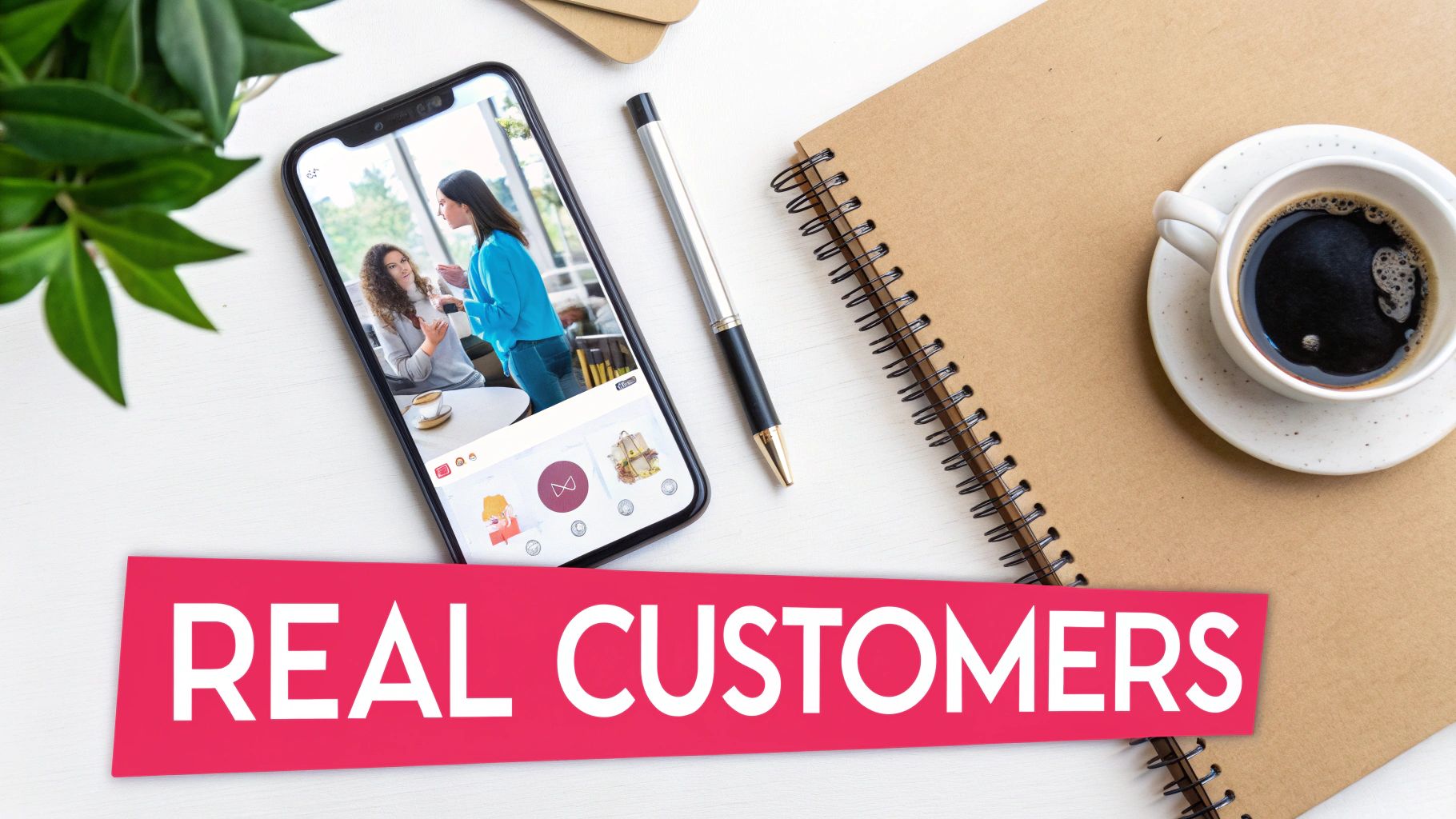
User-generated content (UGC) is one of the most powerful social media content categories, leveraging authentic posts, reviews, and videos created by real customers. This content serves as powerful social proof, showcasing genuine experiences with your products. For e-commerce brands, UGC is a cornerstone for building trust and community, as it provides an unfiltered, relatable perspective that brand-created marketing often lacks.
This approach transforms customers into brand advocates, creating a virtuous cycle of authentic promotion that is both cost-effective and highly persuasive. Brands like GoPro have built their entire marketing foundation on customer adventure videos, while Lululemon’s feed is a constant stream of customers sharing their active lifestyles. By featuring real people, you make your brand more accessible and aspirational in an achievable way.
Why It Works & Actionable Tips
UGC works because it’s inherently trustworthy; consumers trust recommendations from peers far more than they trust traditional advertising. It provides a steady stream of diverse and relatable content that resonates deeply with potential buyers. You can explore a complete guide on building a user-generated content strategy to master this approach.
- Launch a Branded Hashtag: Create a simple, memorable hashtag (e.g., #GoProHERO) and encourage customers to use it when they post. This makes it easy to discover and aggregate content.
- Incentivize Submissions: Run contests, offer discounts, or feature the best customer photos on your profile to motivate your audience to create and share content about your products.
- Always Get Permission: Before repurposing any user's content on your own channels or in ads, be sure to obtain their explicit consent and provide proper credit.
- Measure Impact on Sales: The ultimate KPIs for UGC are Conversion Rate and Click-Through Rate (CTR). Track how ads featuring UGC perform against brand-produced creative to see the direct impact on your bottom line.
5. Entertainment Content
Entertainment content is designed to captivate and delight your audience, focusing on humor, personality, and shareable moments rather than a direct sales pitch. This category in the social media content categories landscape includes memes, viral challenges, witty banter, and engaging storytelling that reflects your brand’s unique voice. It’s about creating an emotional connection and making your brand a welcome part of your audience's daily scroll.
This strategy humanizes your brand, transforming it from a faceless entity into a relatable personality people want to follow and interact with. For e-commerce brands, it keeps your community engaged between promotional campaigns, building top-of-mind awareness so they think of you first when they're ready to buy. A prime example is Duolingo, which uses its irreverent owl mascot in trending TikTok videos, creating a fun, meme-worthy personality that drives massive organic reach and brand loyalty.
Why It Works & Actionable Tips
Entertainment content thrives on virality and shareability, making it a powerful tool for rapid audience growth and brand recall. Brands like Wendy's with its sassy Twitter account or Old Spice with its absurdly humorous commercials have built entire brand identities around this approach.
- Tap into Trends Authentically: Monitor trending audio, formats, and challenges on platforms like TikTok and Reels. Participate only when it genuinely aligns with your brand voice to avoid appearing forced.
- Embrace Humor and Relatability: Create memes or short skits that tap into common pain points or experiences your target audience shares. e.l.f. Cosmetics excels at this with relatable, funny TikTok content.
- Partner with Entertaining Creators: Collaborate with creators known for their comedic timing or storytelling skills. Their natural ability to entertain can introduce your brand to new audiences in an authentic way.
- Measure Virality: Key KPIs include Shares, Comments, and Reach. A high share count is the ultimate indicator that your content is resonating and entertaining enough for users to pass it along to their own networks.
6. Influencer Collaboration Content
Influencer collaboration content is a powerful social media content category that involves partnering with creators and brand ambassadors to promote your products to their established audiences. This strategy leverages the influencer's credibility, creativity, and reach to build trust and drive conversions in a way that feels native and authentic to their followers. For DTC brands, this can range from a single sponsored post to a long-term ambassadorship.
This approach fast-tracks brand visibility by tapping into pre-built, engaged communities. When a trusted creator recommends a product, it acts as a powerful social proof signal, cutting through the noise of traditional advertising. For example, Fashion Nova built its empire by collaborating with a vast network of Instagram fashion influencers, while tech brands often partner with YouTube reviewers to provide in-depth, credible product showcases. These partnerships generate authentic content that resonates deeply with target demographics.
Why It Works & Actionable Tips
Influencer content humanizes your brand and provides a direct line to niche audiences that are often highly motivated to purchase. When executed well, it delivers a high ROI by combining authentic storytelling with targeted reach.
- Prioritize Authentic Partnerships: Use platforms designed for creator discovery to find influencers whose values and audience demographics align perfectly with your brand. Prioritize micro-influencers (10K-100K followers) for higher engagement rates and authenticity.
- Empower Creative Freedom: Provide a clear creative brief outlining campaign goals and key messaging, but give the creator the freedom to integrate your product into their unique content style. To learn more, check out this guide on how to work with influencers.
- Track Performance with Unique Codes: Use unique promo codes and affiliate links for each creator to meticulously track performance, attribute sales, and measure ROI. This data is crucial for optimizing future collaborations.
- Measure Impact: Key KPIs include Reach, Engagement Rate, Click-Through Rate (CTR), and Conversion Rate from unique affiliate links or discount codes. These metrics provide a clear picture of both brand awareness and direct sales impact.
7. Video Testimonials and Case Studies
Video testimonials and case studies are a powerful form of social proof, featuring real customers sharing their success stories with your products. This content category merges authentic storytelling with tangible results, making it exceptionally persuasive for potential buyers on the fence. For e-commerce brands, these narratives act as compelling conversion drivers by showcasing real-world value and satisfaction.
This approach builds immense trust by letting happy customers become your most effective advocates. Instead of the brand making claims, the audience hears directly from peers who have already benefited, which feels more genuine and relatable. A fitness brand, for instance, can feature client transformation testimonials that showcase not just physical changes but also emotional and lifestyle improvements, making the brand's impact feel more profound and trustworthy.
Why It Works & Actionable Tips
Video testimonials are effective because they tap into the psychological principle of social proof; people trust other people more than they trust brands. Success stories from companies like HubSpot and Salesforce have set the standard in B2B, while Peloton's user testimonials have built a powerful community around shared achievements.
- Focus on Measurable Results: Don't just show a happy customer. Guide them to share specific, quantifiable outcomes, like "saved 10 hours a week" or "cleared my acne in 30 days."
- Mix Production Styles: Combine professionally produced case studies with authentic, phone-filmed testimonials. The high-polish videos work well on landing pages, while the raw, user-generated style feels native to platforms like TikTok and Instagram Stories.
- Keep It Social-Media-Friendly: Edit testimonials into short, impactful clips (30-60 seconds) for optimal engagement on social feeds. Use bold captions to highlight the most powerful quotes.
- Measure Conversion Impact: Key KPIs include Click-Through Rate (CTR) from the video to a product page and Conversion Rate. Tracking these metrics helps prove the direct ROI of your testimonial content.
8. Carousel and Infographic Content
Carousel and infographic content are powerhouse formats in the world of social media content categories, designed to package complex information into a digestible, multi-part visual experience. Carousels, popular on Instagram and LinkedIn, use a series of slides to tell a sequential story, while infographics distill data into a single, shareable graphic. Both formats excel at holding user attention and encouraging deeper engagement beyond a simple glance.
This approach transforms potentially dry topics into compelling narratives. For a DTC brand, this could be a carousel detailing the step-by-step process of how their sustainable materials are sourced or an infographic comparing the benefits of their product to competitors. By making information accessible and visually appealing, brands can educate their audience effectively, encouraging them to swipe through and absorb the full message, which boosts dwell time and signals strong interest to platform algorithms.
Why It Works & Actionable Tips
Carousels and infographics are highly effective because they satisfy the audience's desire for valuable information while being easy to consume and share. Brands like Canva and HubSpot have built massive followings by consistently delivering high-quality, branded carousels that teach and inform their communities.
- Design a Compelling Hook: The first slide is everything. Use a bold statement, an intriguing question, or a captivating image to make users stop scrolling and want to swipe for more.
- Emphasize Visual Storytelling: Keep text concise on each slide. Use a clear visual hierarchy with icons, illustrations, and strong branding to guide the viewer’s eye through the information.
- End with a Clear CTA: The final slide is your opportunity to drive action. Prompt users to save the post, visit your website, or answer a question in the comments.
- Track Swipe-Through Rate: Key KPIs include Saves, Shares, and Swipe-Through Rate. On platforms like Instagram, you can see how many people reached the final slide, which is a powerful indicator of how engaging your content truly is.
9. Live Stream and Real-Time Content
Live stream and real-time content offer an unfiltered, immediate way to connect with your audience, creating a sense of urgency and community that pre-recorded content can't replicate. This category includes everything from product launches and Q&A sessions on Instagram Live to interactive shopping events on TikTok Live, fostering direct engagement and authentic brand interactions.
For e-commerce brands, this format is a powerful tool for driving conversions by allowing real-time product demonstrations and instant customer feedback. A fitness brand, for example, can host a live workout class to showcase its apparel in action, while a Shopify seller can use a live shopping event to answer questions and sell products directly within the stream. These unscripted moments build significant trust and humanize your brand.
Why It Works & Actionable Tips
Live content capitalizes on FOMO (fear of missing out), encouraging immediate participation and creating highly memorable brand experiences. Brands like Sephora leverage this for exclusive product drops, while countless TikTok Shop creators have built entire businesses around live shopping.
- Promote in Advance: Announce your live stream 24-48 hours beforehand across all channels to build anticipation and maximize attendance. Use countdown stickers on Instagram Stories.
- Encourage Participation: Actively engage with your audience by responding to comments, running polls, and asking direct questions. Make viewers feel like they are part of the conversation.
- Plan, But Be Flexible: Have a clear agenda or outline for your stream, but allow room for spontaneous, authentic interactions. The magic of live content is in its unscripted nature. For a deeper dive, explore this guide on how to go live on TikTok.
- Measure Live KPIs: Key metrics include Peak Concurrent Viewers, Average Watch Time, and Comments/Reactions per Minute. For live shopping, track Products Pinned, Add-to-Carts, and Live Sales to measure direct ROI.
10. Trending Audio and Sound-Based Content
Trending audio and sound-based content is a pivotal category for short-form video, leveraging popular music, sounds, and voiceovers to gain immediate algorithmic favor and cultural relevance. This content type is built on the premise that audio is the backbone of platforms like TikTok, Instagram Reels, and YouTube Shorts, with trending sounds often acting as the primary vehicle for discovery. Brands that effectively tap into these auditory trends can see significant boosts in reach and engagement.
This strategy works by piggybacking on the momentum of sounds that are already viral, making your content more discoverable to users who are actively engaging with that trend. It allows brands to participate in broader cultural conversations and appear more human and relatable. For instance, a fashion brand might use a popular, upbeat track for a "get ready with me" video, instantly connecting with viewers familiar with the sound and making the content feel native to the platform.
Why It Works & Actionable Tips
Audio-driven content capitalizes on the discovery algorithms of short-form video platforms, which often prioritize content using trending sounds. It's a low-barrier way to create relevant content that feels timely and can be produced quickly.
- Monitor Trends Daily: Actively browse the "For You" pages on TikTok, the Reels tab on Instagram, and the Shorts feed on YouTube. Use platform-specific tools like TikTok's Creative Center to identify sounds that are gaining velocity.
- Act Quickly but Strategically: Trends have a short lifespan. Have a system in place to quickly create and publish content around a rising sound, but ensure it aligns with your brand’s voice. Don’t force a fit if it feels inauthentic.
- Test Multiple Angles: When you find a relevant trending sound, create 2-3 different videos using it. Test different products, creators, or creative concepts to see what resonates most with your audience.
- Track Performance Beyond Views: Key KPIs include Views, Shares, and Comments. High share volume indicates the content is relatable and entertaining, while comments often show how well your brand integrated into the trend.
11. Comparison and Transformation Content
Comparison and transformation content is a powerful entry in our list of social media content categories, as it visually demonstrates tangible value and results. This format showcases clear "before-and-after" scenarios, product comparisons, or growth journeys, providing undeniable proof of a product's effectiveness. For e-commerce brands, this often translates to dramatic skincare results, stunning home makeovers, or side-by-side cleaning product demos.
This approach hooks viewers by tapping into their desire for improvement and problem-solving, making complex benefits instantly understandable. It builds trust by showing, not just telling, what your product can achieve. For instance, a fitness app can gain immense credibility by sharing a user's genuine 90-day progress journey, backed by their testimonial. This makes the promised outcome feel attainable and authentic, directly addressing a potential customer’s core motivation.

Why It Works & Actionable Tips
Transformation content creates a compelling and often viral narrative that resonates deeply with audiences seeking change. Brands like Proactive and The Home Depot have built entire campaigns around powerful before-and-after visuals.
- Maintain Authenticity: Use real customer results (with permission) and keep edits minimal. Exaggerated claims can destroy trust, so honesty is crucial.
- Standardize Your Shots: For clear comparisons, shoot before-and-after footage in identical lighting, from the same angle, and with the same framing. This consistency makes the transformation more impactful.
- Add Context with Text: Use on-screen text overlays to explain the timeline ("Results after 30 days"), the process, or the key features that led to the change.
- Measure Conversion Impact: Key KPIs include Click-Through Rate (CTR) on product links and Conversion Rate. This content is designed to drive action, so tracking how many viewers make a purchase is essential.
12. Interactive and Engagement-Driving Content
Interactive content is a powerful category designed to turn passive viewers into active participants by directly inviting them to engage. This involves using features like polls, quizzes, Q&As, and challenges that prompt a direct response from your audience. For e-commerce brands, this is a direct line to understanding customer preferences, building community, and boosting visibility in algorithm-driven feeds.
This approach transforms your social media presence from a one-way broadcast into a two-way conversation. By encouraging interaction, you not only gather valuable audience feedback but also signal to social platforms that your content is compelling, which can increase its organic reach. For instance, a home decor brand could use an Instagram Stories poll asking followers to vote on the next pillow design, making them feel like part of the brand’s creative process.
Why It Works & Actionable Tips
Interactive content excels because it taps into the human desire to share opinions and be part of a community, making it a cornerstone of effective social media content categories. Brands like Netflix use this tactic brilliantly, asking followers to "caption this" on a still from a popular show, generating thousands of comments.
- Utilize Native Features: Leverage platform-specific tools like Instagram's Poll, Quiz, and Question stickers or TikTok's Duet and Stitch features. These are designed for seamless user interaction.
- Ask Open-Ended Questions: Instead of simple yes/no questions, ask things that spark debate and opinions. A coffee brand could ask, "What's the one brewing method you can't live without and why?"
- Create Recurring Segments: Establish a routine your audience can look forward to, like a "This or That Thursday" where they choose between two product styles or a "Friday Q&A" with a brand expert.
- Measure Interaction Rates: Key KPIs are Poll Votes, Quiz Completions, and Comment Volume. High engagement on these formats signals a strong connection with your audience and provides data for future product or content decisions.
Comparison of 12 Social Media Content Types
| Content Type | Implementation Complexity 🔄 | Resource Requirements ⚡ | Expected Outcomes ⭐📊 | Ideal Use Cases 💡 | Key Advantages ⭐ |
|---|---|---|---|---|---|
| Educational Content | Medium — requires SME research and structured formats | Moderate — scripts, tutorials, occasional video/graphics | ⭐ Builds authority & SEO; 📊 steady long-term engagement, lower immediate conversions | Product tutorials, how‑tos, thought leadership hubs | Evergreen value, repurposable, trust-building |
| Promotional Content | Low–Medium — simple creative + campaign setup | Variable — low creative cost but often needs paid amplification | ⭐ Drives immediate sales; 📊 measurable ROI and CTR | Sales, launches, limited‑time offers, seasonal events | Direct revenue driver, urgency tactics |
| Behind‑the‑Scenes Content | Low — informal, candid execution | Low — basic gear and staff time | ⭐ Humanizes brand; 📊 higher engagement and loyalty | Company culture, production showcases, authenticity pieces | Authentic connection, cost‑effective |
| User‑Generated Content (UGC) | Low–Medium — curation, moderation, rights management | Low — incentives, aggregation tools, community outreach | ⭐ Highest trust & social proof; 📊 strong conversion uplift | Reviews, unboxings, customer tutorials, social proof assets | Cost‑effective, scalable, highly persuasive |
| Entertainment Content | Low–Medium — creative iteration, trend timing | Low — quick edits, creative time | ⭐ Maximizes reach/virality; 📊 rapid follower growth | Memes, trends, comedic sketches, viral campaigns | High organic reach, community building |
| Influencer Collaboration Content | Medium–High — vetting, briefs, contracts | High — creator fees, management, tracking | ⭐ Targeted credibility & conversions; 📊 trackable via codes/links | New audience acquisition, product launches, authenticity campaigns | Third‑party endorsement, niche amplification |
| Video Testimonials & Case Studies | High — coordination, filming, editing | High — production resources, participant scheduling | ⭐ Very high trust & conversion lift; 📊 strong bottom‑funnel impact | Landing pages, ads, conversion optimization, B2B case studies | Persuasive social proof, measurable outcomes |
| Carousel & Infographic Content | Medium — design and information structuring | Medium — designers, data visualization tools | ⭐ Deep engagement & saves; 📊 good for education and B2B reach | Multi‑slide storytelling, data summaries, LinkedIn/Instagram posts | High information density, swipe engagement |
| Live Stream & Real‑Time Content | High — live tech setup and moderation | Medium–High — stable connection, hosts, promotion | ⭐ High authenticity & immediate conversions; 📊 strong real‑time engagement | Live shopping, Q&A, product launches, tutorials | Real‑time interaction, urgency, repurposable clips |
| Trending Audio & Sound‑Based Content | Low — fast adaptation to audio trends | Low — monitoring + rapid short‑form edits | ⭐ Boosts algorithmic reach; 📊 substantially higher virality | TikTok/Reels/Shorts, audio-driven trends, quick demos | Rapid reach amplification, easy experimentation |
| Comparison & Transformation Content | Medium — accurate staging and verification | Medium — demos, timelines, participant coordination | ⭐ Demonstrates clear product value; 📊 high engagement and conversion | Before/after, competitor comparisons, product demos | Visual proof of results, relatable persuasion |
| Interactive & Engagement‑Driving Content | Low–Medium — planning and moderation | Low — platform tools, community management | ⭐ Significantly higher engagement (30–50%↑); 📊 yields audience insights | Polls, quizzes, challenges, interactive stories | Two‑way engagement, data collection for decisions |
Bringing It All Together: Your Blueprint for a Winning Content Mix
Navigating the dynamic landscape of social media requires more than just a presence; it demands a strategic, multi-faceted approach to content. Throughout this guide, we've explored the 12 essential social media content categories that form the foundation of a robust and effective digital strategy. From the trust-building power of Educational Content and Video Testimonials to the conversion-driving impact of Promotional Content and the community-fortifying nature of User-Generated Content, each category serves a distinct and vital purpose.
The most successful DTC and e-commerce brands understand that a one-dimensional strategy simply doesn't cut it. They don't just sell products; they build ecosystems. They achieve this by masterfully blending different content types to create a cohesive and engaging brand narrative that meets their audience at every touchpoint of the customer journey.
From Theory to Action: Building Your Content Engine
The true value of understanding these content categories lies in their application. Your goal is to move from a reactive, "post-and-pray" model to a deliberate, data-informed content engine. This means treating each category not as a separate silo, but as an interconnected part of a larger machine designed to attract, engage, and convert.
Think of it as building a balanced portfolio. You wouldn't invest all your capital in a single stock, and you shouldn't invest all your content efforts in a single format.
- For Awareness: Lean heavily on Entertainment Content, Trending Audio, and broad-appeal Educational posts to capture new eyeballs and introduce your brand to a wider audience.
- For Consideration: Nurture interest with Behind-the-Scenes glimpses, detailed Carousel Infographics, and authentic Influencer Collaborations that showcase your product in a relatable context.
- For Conversion: Drive action with clear Promotional Content, compelling UGC, and powerful Video Testimonials that provide the final push of social proof needed to secure a purchase.
- For Loyalty: Foster community and repeat business with Interactive Content like polls and Q&As, Live Streams that offer exclusive access, and by consistently celebrating and amplifying your customers' UGC.
The Power of a Diversified Content Mix
Mastering this blend is where the magic happens. A diversified content strategy protects you from algorithm shifts and audience fatigue. When one content type experiences a dip in performance, another can carry the weight, ensuring your brand maintains consistent momentum and engagement. This strategic variety is the key to building a resilient and sustainable social media presence.
Key Takeaway: Stop thinking in terms of individual posts and start thinking in terms of a strategic content mix. Your social media feed should be a curated experience that tells a comprehensive brand story, using different social media content categories to hit different notes and connect with your audience on multiple levels.
The ultimate goal is to create a flywheel effect. Entertaining content draws in new followers, educational content builds their trust, UGC and testimonials convince them to buy, and interactive content turns them into loyal advocates. Each piece of content, when chosen from the right category and executed with precision, fuels the next stage, creating a self-sustaining cycle of growth. This is how you transform passive scrollers into a thriving community and a powerful sales channel.
Ready to scale your content production and bring these categories to life? JoinBrands is the all-in-one platform that connects you with a global network of vetted creators specializing in every content type, from authentic UGC to high-impact influencer videos. Start your first project today and build the powerful, diverse content library your brand needs to dominate social media by visiting JoinBrands.