
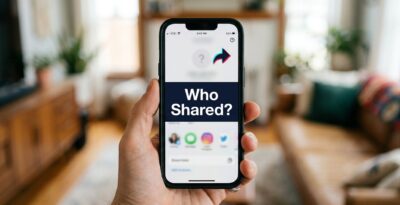
 Find Out: does tik tok show who shared your video?
Most advice about top TikTok Shop creators starts with names. That's the wrong starting point.
If you begin with celebrity-size accounts, you usually inherit the wrong incentives. The brand wants sales. The creator wants reach, rate protection, and minimal friction. Those goals can align, but not automatically. On TikTok Shop, the accounts that look “top” in public often aren't the accounts that produce the cleanest, most repeatable revenue in private.
TikTok Shop is massive. As of 2025, it hosts over 100,000 active creators in the affiliate program, and those affiliate links have reached a 5.2% engagement rate, 160% higher than comparable Instagram affiliate links, according to TikTok Shop seller and creator data compiled by Red Stag Fulfillment. That scale is exactly why brands need a selection framework instead of a wish list.
The right question isn't “Who are the biggest creators?” It's “Which creators are built to sell my product, to my buyer, at this stage of the funnel?” Once you start there, creator sourcing gets less glamorous and much more profitable.
Table of Contents
Why Chasing the Biggest Creators Is a Mistake
“Top” usually gets confused with “famous.” In TikTok Shop, that mistake burns budget fast.
Most roundups of top TikTok Shop creators lean toward high-follower influencers because they're easy to spot and easy to name. The problem is that visibility doesn't equal output. The more useful lens is sales contribution, content activation, and niche fit.

What the market gets wrong
The underserved truth is simple. The highest GMV-driving creators are often micro-creators with 5,000 to 10,000 followers and high activation rates, not the largest public personalities, as noted in Superfiliate's TikTok Shop acquisition guide.
That tracks with what brands see in practice. Smaller creators often have three advantages:
- They post faster: You don't wait through layers of management, revised contracts, or rigid content windows.
- They sound native to the platform: Their content usually feels closer to real user behavior than polished campaign assets.
- They're easier to scale in batches: One creator can miss. A portfolio of aligned micro-creators gives you more shots on goal.
Why follower count fails as a buying signal
A large audience can help with reach. It can also hide weak shopping intent. Some big creators are exceptional at entertainment and weak at product transition. They can generate comments, shares, and profile visits without getting viewers to click product tags or complete checkout.
Practical rule: Treat follower count as a filtering input, not a decision metric.
Brands looking for top TikTok Shop creators should think in personas, not prestige. A cleaning product needs a different creator than a beauty tool. A refillable supplement needs a different creator than an impulse-price kitchen gadget. The creator who crushes one category can flop in another because the audience expectation is different.
The better definition of top
A top creator for your program is someone who does four things well:
- Makes product-led content that doesn't feel scripted
- Gets content live consistently after seeding
- Matches the buyer's context and objections
- Can repeat performance across multiple posts, not one lucky hit
That last point matters most. One viral sale video is interesting. A creator who can produce sales content again and again is operationally valuable.
If you want a program that scales, stop asking for the biggest creator you can afford. Start asking for the creator profile that your product can win with repeatedly.
Build Your Ideal Creator Persona
Before outreach, define the partner you're looking for. Most brands already have a customer persona. Far fewer have a creator persona. That gap is why sourcing gets sloppy.
A creator persona is a working document that tells your team who to recruit, who to skip, and how to evaluate fit before you send product. It should be specific enough that two different people on your team would shortlist roughly the same accounts.

Start with category and buyer context
Don't write “lifestyle creator.” That's too broad to be useful. Define the lane more tightly.
For example, if you sell a barrier-repair moisturizer, your ideal creator probably isn't just “beauty.” They might be:
- Skin education creators who explain irritation, dryness, and routine layering
- Sensitive skin reviewers who show before-and-after routine use
- Budget beauty creators who compare performance against premium alternatives
- Night routine creators whose audience already expects product demos
That gives your team a practical sourcing map. It also keeps you from wasting samples on creators whose audience likes content but doesn't buy in your category.
Define the content behavior you want
The gold standard for creator selection is mid-tier creators with 50,000 to 500,000 followers who show high activation rates and prior multi-brand content. Open-plan commissions typically sit at 15% to 25%, and brands should avoid scripted content in favor of clear product pillars that let creators interpret the brief naturally, according to creator sourcing guidance from BeMomentIQ.
That guidance matters because creator performance isn't just about audience size. It's about whether they can take direction without sounding like an ad.
A good persona should specify:
| Persona field | What to define |
|---|---|
| Content niche | The product conversation they already own |
| Audience relevance | Location, buyer intent, and category overlap |
| Content style | Demo-heavy, comparison-led, humorous, educational, routine-based |
| Activation history | Whether they actually post after receiving product |
| Shop behavior | Prior tagged videos, affiliate familiarity, repeat product coverage |
A practical example for a skincare brand
Say you run a fictional DTC skincare brand called North Coast Skin. You sell a calming serum for redness-prone skin.
Your creator persona might look like this:
- Primary creator type: Mid-tier skincare educator with frequent routine content
- Secondary creator type: Micro-creator focused on sensitive skin diaries and honest product tests
- Audience fit: U.S.-based shoppers who already buy treatment or routine products
- Content style: Bathroom shelf demos, ingredient simplification, side-by-side routine placement
- Non-negotiables: Natural speech, product visibly used on camera, no overproduced beauty ad style
- Commission structure: Open-plan range aligned to margin, within the benchmark discussed above
- Briefing approach: Give product pillars such as “calms visible redness,” “fits night routine,” and “works well under moisturizer,” then let the creator choose the hook
A strong creator persona should tell your team who the creator is, how they sell, and why their audience would believe them.
Keep the document short enough to use
If the persona turns into a deck nobody opens, it won't help. One page is enough. I'd rather see a sharp one-pager used weekly than a perfect strategy file buried in a drive.
The best persona documents also include exclusion criteria. That might mean creators who only make trend comedy, creators with no prior product tagging, or creators whose brand work looks heavily scripted. Knowing who to ignore is half the job.
How to Uncover Hidden Gem Creators
Hidden gem creators rarely look impressive in a spreadsheet at first glance. That is exactly why brands miss them.
The best prospects usually sit below the obvious tier, post consistently in a narrow buying context, and know how to make a product feel useful in real life. If the creator persona is clear, discovery becomes a filtering process, not a popularity contest.

Search where buying intent already exists
Start inside TikTok Shop. Product-tagged content gives better signals than polished portfolio content because you can see how a creator sells, not just how they film.
Search in three directions:
- Problem language: “redness routine,” “greasy scalp fix,” “dog hair on couch”
- Use-case language: “travel setup,” “night routine,” “small kitchen storage”
- Adjacent product language: products that solve the same frustration or fit into the same routine
That last category matters more than many teams expect. If a creator sells cuticle oil well, they may also sell hand cream, nail storage, or desk organization because the audience has similar shopping habits. The overlap is behavioral, not just categorical.
Build a list from overlap, not one-off sightings
A single good post is not enough. I want repeated signs that a creator can sell inside the same audience context.
Use a layered sourcing process and move creators forward only when they show up in multiple places:
- TikTok Shop search results for product-tagged videos
- Competitor audits across brands targeting the same buyer
- Comment sections where shoppers ask follow-up questions or compare products
- Creator mutuals who post in the same cluster of topics
- Creator marketplaces for filling gaps faster
JoinBrands is one option for structured sourcing when a team needs filters and workflow support. It saves time, but it does not replace judgment. Without a clear persona, marketplaces just help you find more of the wrong people.
Audit adjacent winners
Direct competitors are useful, but they are only part of the picture.
Some of the strongest creator fits come from one category over. A creator who sells pantry organizers may also sell label makers, fridge storage, or cleaning tools because the audience responds to order, convenience, and visual before-and-after content. A skincare brand can learn just as much from creators selling supplements or beauty tools if the buying trigger is the same: trust, routine fit, and visible payoff.
That is usually where underpriced creator inventory sits.
Field note: Hidden gem creators often have a strong selling format before they have a strong personal brand.
Here's a useful walkthrough on sourcing creators and evaluating fits in the wild:
What to log while researching
Do not just save handles. Save evidence.
Track the inputs that help your team decide whether to test, pass, or revisit later:
- Recent shop activity: Are they posting tagged content consistently?
- Opening angle: Do they start with a pain point, a demo, a comparison, or a result?
- Audience behavior: Are viewers asking where to buy, how to use it, or whether it works for their situation?
- Format consistency: Can they repeat the same selling pattern across different products?
- On-camera credibility: Do they sound like a user, or like they are reading copy?
- Creative fit: Does their content style match how your product should be bought?
Now, sourcing gets practical. A good research sheet should make it obvious why a creator belongs in the pipeline. If your notes only say “good engagement” or “nice aesthetic,” the team is still guessing.
Vet Partners for True Sales Potential
A promising profile can still be a bad partner. Vetting is where most creator programs either become disciplined or stay expensive.
The goal isn't to find perfect creators. The goal is to avoid obvious mismatches early, then test the right shortlist quickly.

Look past surface engagement
Likes can flatter weak shopping content. Comments can be noisy. A creator's real value shows up when their content makes the viewer take the next action.
For nano creators, benchmark ranges help. TikTok Shop content benchmarks show that a healthy CTR typically falls between 0.5% and 1.2%, while a strong CVR ranges from 1.0% to 2.5% for creators with 1,000 to 10,000 followers, according to BeMomentIQ's TikTok Shop performance benchmarks.
Those numbers are useful because they make diagnosis clearer. If a creator's click-through is weak, the problem may be the hook or thumbnail. If clicks are healthy but conversion is weak, the issue may be product-market fit, listing quality, reviews, price, or message alignment.
Check for proof of commercial behavior
Use a short due-diligence checklist before approving seeding.
- Tagged product history: Has the creator posted shoppable content consistently, or only once?
- Audience relevance: Do comment threads show buyer questions, not just fandom?
- On-camera trust: Can they explain a product clearly without sounding rehearsed?
- Brand pattern: Have they worked with multiple brands in a way that still feels credible?
The creator who can explain why a product fits a routine usually sells better than the creator who just says it's amazing.
Separate one-hit creators from operators
One of the biggest vetting mistakes is confusing a viral creator with a dependable one. A single breakout video can inflate expectations and distort rate discussions. What you want is evidence of repeated execution.
A simple review table helps:
| Vetting area | Green light | Red flag |
|---|---|---|
| Posting behavior | Multiple product-led videos over time | One viral shop post, then nothing |
| Delivery style | Clear demos, natural objections handled | Scripted reads, generic praise |
| Comment quality | Questions about use, fit, shipping, results | Mostly emojis or vague compliments |
| Brand integration | Products fit their content lane | Random promotions across unrelated niches |
Ask the operational questions early
Before you send anything, ask direct questions. Not fluffy relationship-building questions. Operational ones.
Ask how they prefer to receive product info. Ask whether they usually post more than once when something performs. Ask what format tends to work for their audience. Ask whether they're comfortable with Spark Ads usage if content wins. Serious creators answer clearly. Weak fits stay vague.
That's often enough to narrow a long list into a shortlist worth testing.
Structure Partnerships That Drive Results
Most underperforming creator programs don't fail at sourcing. They fail at partnership design.
A one-off transaction creates one chance to win. A relationship creates a content flywheel, which is where much of TikTok Shop scale originates. Top-tier TikTok Shop brands often depend on creator partnerships for 60% to 80% of sales volume, and elite performers report 80% of total GMV from affiliate creators. A common operating model is to seed 20 to 30 products early, identify the creators who activate, and then build ongoing relationships around the winners, based on eMarketer's reporting on TikTok Shop creator partnership strategy.
Don't over-brief the creator
The fastest way to kill performance is to hand a creator a polished ad script and expect authentic TikTok content.
Good briefs are directional. Bad briefs are restrictive.
A useful brief usually includes:
- Product pillars: the claims, use cases, benefits, and objections to cover
- Guardrails: what must be accurate, what can't be said, what visual elements matter
- Offer context: promo code, launch timing, bundle angle, or event tie-in
- Usage rights expectations: whether top posts may be turned into Spark Ads
That gives creators enough structure to stay accurate without stripping out the voice their audience already trusts.
Use staged commitment
You don't need to lock into a heavy spend upfront. Start with a test cohort. Seed product to a controlled group. Watch who posts quickly, who makes the product understandable, and who creates content that can travel beyond one post.
Then scale by behavior, not by promises.
A practical approach looks like this:
Seed a focused batch
Send product to a controlled set of creators who match the persona tightly.Measure activation
Track who publishes and how the first content lands.Promote repeat performers
Move successful creators into deeper partnership terms, stronger codes, or exclusives.Build repetition
Ask for fresh angles, not copies of the same video. Comparison, routine use, FAQ response, gifting angle, refill angle.
Operator mindset: The first post is a test. The second and third posts tell you whether you've found a partner.
Share enough data to improve output
Creators don't need your entire dashboard. They do need useful feedback.
Tell them what hook worked. Tell them whether viewers clicked but didn't convert. Tell them which objections showed up in comments. Top creators adjust fast when the brand shares actual buying signals instead of generic praise.
That's how creator partnerships move from content fulfillment to revenue collaboration.
Measure and Scale Your Creator Program
A creator program gets stronger when measurement answers action questions. Which personas are worth expanding? Which creators deserve repeat product sends? Which posts should get paid amplification? Which weak results came from content, and which came from the listing?
That requires more than GMV alone.
Start with diagnostic pairs, not single metrics
TikTok Shop performance gets easier to interpret when you pair revenue with intent metrics. In 2026, the most diagnostic metric combination is GMV paired with conversion rate or CTOR, because that shows whether shoppers were interested enough to act, according to Darkroom's review of TikTok Shop KPI priorities.
That framing is important because it stops teams from blaming the wrong layer. Weak shopping outcomes don't always mean the product offer is broken. If attention metrics are weak, the content itself may never have earned enough viewer interest to test buying intent properly.
Add full-funnel visibility with EMV
Direct sales matter. So does the value created around them.
Earned Media Value, or EMV, helps brands measure the broader impact of TikTok Shop activity, including exposure generated through views and shares. It's a useful complement to direct revenue because it captures value that GMV alone misses, as explained in Superfiliate's guide to TikTok Shop performance metrics.

A practical review stack looks like this:
- GMV: Which creators generated direct sales
- Conversion rate or CTOR: Whether traffic turned into shopping action
- Top videos by GMV: Which specific creative angles moved product
- EMV: Which creators also built broader brand momentum
Turn performance into scaling decisions
The scaling mistake is spreading spend evenly. Don't do that. Shift resources toward creators who create both sales and reusable assets.
Here's how that looks in practice:
| Decision | What to do |
|---|---|
| One creator drives strong GMV but weak repeatability | Test a second and third concept before expanding partnership size |
| Content gets attention but poor shopping intent | Rework product page, offer, or objection handling |
| A creator drives both GMV and brand exposure | Prioritize repeat sends, stronger collaboration terms, and paid amplification |
| A persona cluster keeps outperforming | Recruit more creators with the same traits |
Use Spark Ads selectively
Top-performing creator content often deserves a second life. When a post already proves it can hold attention and drive action, turning it into Spark Ads can extend the value of work you've already validated.
The key is selectivity. Don't boost every decent post. Boost the posts that reveal a clear combination of native feel, product understanding, and commercial response. Those are the assets most likely to scale without losing the credibility that made them work in the first place.
Good creator programs don't just find top TikTok Shop creators. They identify repeatable creator patterns, then recruit more of them.
That's the true compounding advantage. Over time, you stop relying on isolated wins and start operating a system.
If you want a faster way to source and manage TikTok Shop affiliates, JoinBrands can help centralize creator discovery, campaign workflows, and asset handling without forcing you to abandon the persona-based process. It fits best for teams that already know what kind of creator they need and want a more efficient way to find, brief, and track those partners.