
 Your E Commerce Growth Strategy Playbook
Product seeding is exactly what it sounds like: planting your product with the right people and hoping something amazing grows from it. You gift your products to carefully chosen creators without a contract that says they have to post. It’s a strategy built entirely on authentic enthusiasm, designed to spark genuine social proof and user-generated content (UGC) from people who truly love what you offer.
Table of Contents
Understanding Product Seeding in Simple Terms
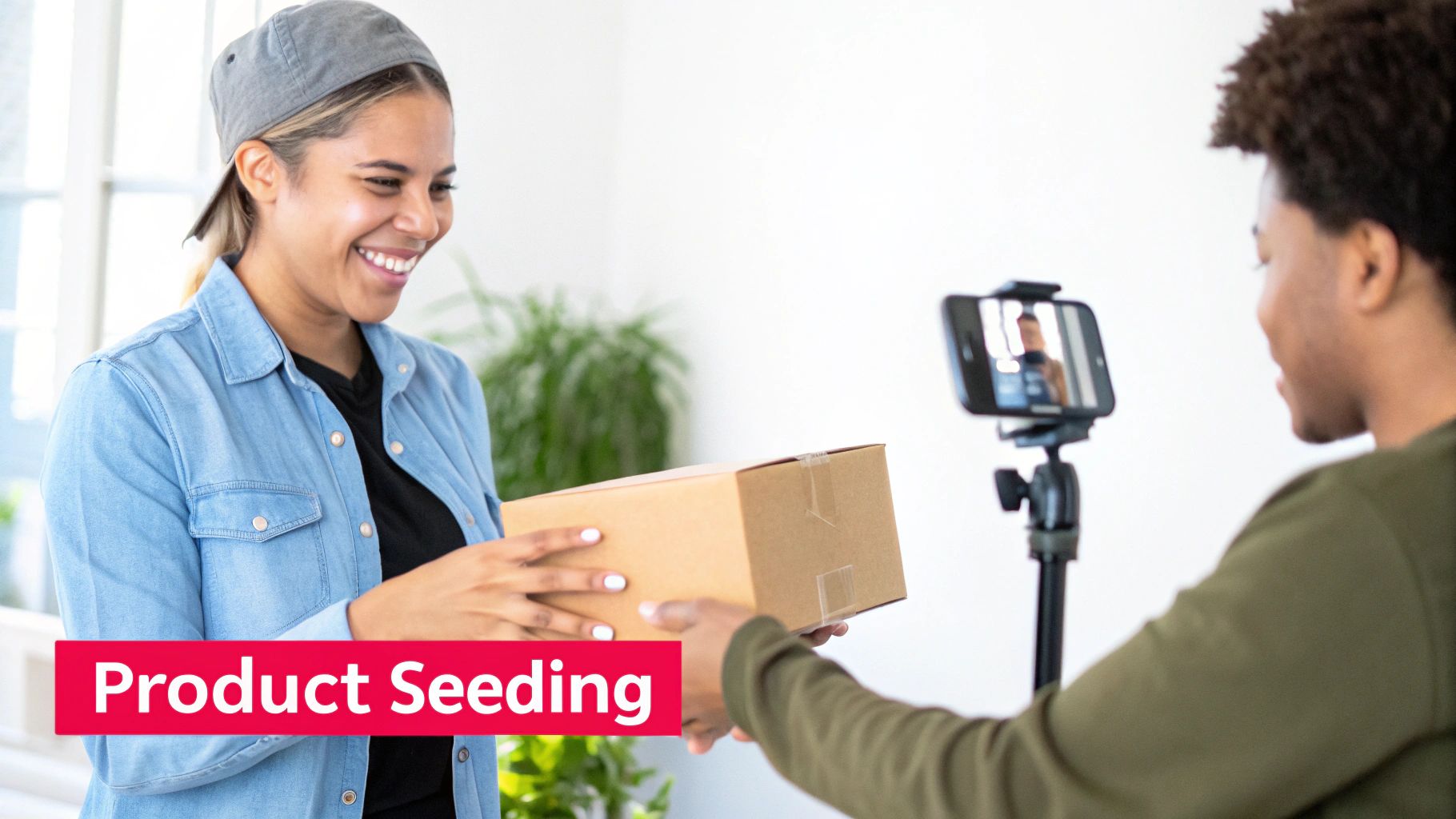
Let's say you've just launched an incredible new skincare product. Instead of paying a creator a flat fee to read from a script, you simply send it to them as a gift. The hope? That they'll love it so much they want to share their experience with their audience. That organic, unscripted recommendation is the magic of product seeding.
This whole approach has become a huge part of modern creator marketing. It’s all about strategically getting your products into the right hands to generate real content and buzz. Unlike a paid partnership, seeding hinges on a creator's genuine appreciation, which leads to content that hits differently and feels more trustworthy to their followers. In fact, a solid campaign often sees a post rate of 25-50%, proving it’s a bet worth making. You can find more insights on how this marketing tactic works on postaffiliatepro.com.
The core idea is simple: people trust people, not ads. When someone sees a creator they admire using and enjoying a product without the #ad label, it feels like a recommendation from a friend. This builds social proof and credibility in a way sponsored content rarely can.
The Power of Authenticity Over Obligation
At its heart, product seeding is a massive vote of confidence in your own product. You're essentially saying, "We think our product is so good that once you try it, you'll feel compelled to talk about it." This mindset fosters a much more genuine relationship between your brand and the creator.
It turns creators from one-off advertisers into true brand advocates. Since you aren't handing them a script or a list of talking points, any content they create is completely in their own voice. In a world where consumers are more skeptical of advertising than ever, that authenticity is pure gold.
Key Takeaway: Product seeding trades the certainty of a paid post for the potential of a much more powerful, authentic endorsement. It’s a move from transactional relationships to relational ones.
How Seeding Differs From Paid Campaigns
It's super important to draw a clear line between product seeding and a standard paid influencer campaign. They both involve creators, sure, but their mechanics and goals are worlds apart. One runs on genuine enthusiasm; the other is a paid service. Getting this difference straight is key to setting the right expectations.
To make it crystal clear, here’s a quick breakdown of how the two approaches stack up.
Product Seeding vs Paid Campaigns At a Glance
| Feature | Product Seeding | Paid Influencer Campaign |
|---|---|---|
| Compensation | Gifted product only (no cash payment). | A predetermined fee for content creation and posting. |
| Posting Obligation | None. The creator is not required to post. | Contractually obligated to post specific content. |
| Content Control | The brand has no creative control over the content. | The brand has approval rights and can set guidelines. |
| Main Goal | Generate authentic UGC and organic social proof. | Guarantee reach and deliver a specific marketing message. |
| Audience Perception | Seen as a genuine, trusted recommendation. | Clearly identified as a sponsored ad (e.g., #ad). |
choosing between seeding and paid campaigns depends entirely on your goals. If you need guaranteed exposure and message control, a paid campaign is your best bet. But if you want to build authentic brand love and generate content that truly connects with people, product seeding is an incredibly powerful tool to have in your marketing arsenal.
Why Product Seeding Is a Modern Marketing Powerhouse

Product seeding is much more than a simple gifting exchange. Think of it as a strategic engine for building your brand's reputation in a marketplace that’s starving for authenticity. When a creator shares your product just because they genuinely love it, that endorsement carries a weight that traditional ads could never hope to match.
This whole approach directly tackles one of the biggest headaches for modern brands: cutting through the constant noise. Consumers are hit with a tidal wave of ads and sponsored posts every single day, and they've learned to be skeptical. Product seeding neatly sidesteps that skepticism by kicking off real conversations that feel more like advice from a trusted friend than a sales pitch.
It Builds Unshakeable Social Proof
Social proof is just today’s word for word-of-mouth, and product seeding is one of the best ways to get it. When potential customers see real people – especially creators they follow and admire – using and loving your product, it validates their own buying decision before they’ve even clicked "add to cart."
Put yourself in the buyer’s shoes for a second. What do you trust more? A slick, polished banner ad or an unboxing video from a creator whose opinion you actually respect? Seeding builds up a massive library of these trusted moments across social media, showing your product as a natural part of someone's life.
This is a major advantage for new or direct-to-consumer (DTC) brands trying to get their footing. Without a massive ad budget, a handful of authentic shout-outs from the right creators can build the momentum you need to get noticed.
It Creates a Sustainable Engine for UGC
One of the most valuable things you get from product seeding is a treasure trove of high-quality user-generated content (UGC). Instead of pouring money into expensive photoshoots, seeding turns your biggest fans into a distributed creative studio.
This content isn’t just authentic; it’s incredibly versatile. You can repurpose it everywhere:
- Social Media Feeds: Fill your content calendar with genuine posts that add a layer of trust.
- Product Pages: Showcasing UGC right where people buy can seriously boost conversion rates.
- Paid Advertising: UGC-style ads often crush polished studio creative because they feel real and stop the scroll.
- Email Marketing: Drop creator content into your newsletters to make them more engaging and clickable.
This creates a steady flow of fresh content without constantly draining your internal marketing team’s resources. To get the full picture, it's worth learning how to Unlock the Power of Influencer Marketing as a broader strategy that seeding fits right into.
It Drives Authentic Brand Conversations
Product seeding doesn’t just generate static content – it sparks real conversations. When a creator posts about your product, it’s an open invitation for their followers to ask questions, share their own experiences, and tag their friends. That organic engagement is so much more valuable than a passive "like" on a sponsored ad.
A single authentic post can ignite hundreds of organic conversations in the comments, exponentially increasing your brand's reach and visibility without any additional ad spend.
These discussions are a goldmine of feedback straight from your target audience. You get to hear what they love, what questions they have, and what features are hitting the mark. This transforms your marketing from a one-way broadcast into a genuine dialogue, building a real community around your brand.
Exploring Different Types of Product Seeding Programs
Product seeding isn't a one-size-fits-all game. Think of it less like a rigid script and more like a flexible playbook with several different strategies, each designed to hit a specific marketing goal. The right move for your brand depends entirely on what you're trying to achieve – whether that's drumming up authentic reviews, building pre-launch hype, or directly driving sales.
Getting a handle on these different approaches lets you tailor your campaigns with some real precision. Just like a gardener knows you can't plant every seed in the same soil, a smart marketer picks the right kind of seeding program for their brand's unique situation. This is how you make sure your products land in the right hands to get the best possible results.
Influencer Seeding for Authentic UGC
This is the classic, most common form of product seeding, and it’s all about generating genuine user-generated content (UGC). The game plan is simple: gift products to creators who vibe with your brand and speak to your target audience. This can be anyone from a nano-influencer with a tight-knit community to a more established personality. Here, the primary goal isn't an immediate sale; it's about sparking real enthusiasm that turns into relatable, trustworthy content.
Picture a skincare brand sending its new facial serum to a handful of beauty creators known for their honest, no-fluff reviews. The content that comes out of it – an unboxing on TikTok, a "get ready with me" Instagram story – acts as powerful social proof. It feels less like an ad and more like a recommendation from a friend, and that's marketing gold. It’s a killer strategy for building both brand awareness and trust.
Pro Tip: Don't just chase follower counts. Zero in on creators who have a real, genuine connection with their audience. High engagement rates are often way more valuable than a massive follower number because they signal a loyal, attentive community.
The global product placement market ballooned to $29.63 billion in 2023, with digital channels like social media showing the fastest growth at a whopping 15.1%. This trend absolutely screams one thing: brands see immense value in weaving their products into authentic digital content – which is exactly what influencer seeding is all about. You can dig into more stats about this growing market over on prweb.com.
Affiliate Seeding to Empower Sales
Affiliate seeding is a smart hybrid, mixing the authenticity of gifting with the hard numbers of affiliate marketing. With this strategy, you gift products to your affiliate partners so they can actually experience what they’re selling. This simple step arms them with firsthand knowledge, helping them create promotional content that's way more compelling, detailed, and trustworthy.
Imagine an outdoor gear company sending its brand-new hiking backpack to affiliates who are legitimate, trail-tested hikers. After putting it through its paces, they can write in-depth blog reviews, shoot YouTube videos showing off the features, and share their honest trail experiences on social media. Suddenly, their affiliate links are backed by credible, hands-on proof, which can give conversion rates a serious boost. You're basically empowering your best salespeople to become true brand champions.
Early-Access and VIP Seeding Programs
When it comes to building a tidal wave of hype for a new product launch, nothing beats an early-access program. This strategy involves seeding your pre-release products to a hand-picked group of influential people. This list could include:
- Tech Reviewers and Journalists: Getting your product into the hands of industry experts can generate credible, in-depth reviews that reach a massive audience.
- Loyal Customers (VIPs): What better way to reward your best customers? Giving them an exclusive first look makes them feel valued and often transforms them into your most passionate advocates.
- Niche Creators: Sending a new gaming mouse to a respected esports creator before it hits shelves can create instant buzz within a hyper-targeted community.
This type of seeding creates an irresistible feeling of exclusivity and anticipation. All the content that gets generated before the official launch builds momentum, ensuring you have a groundswell of interest and social proof ready to go on day one. It's a strategic play to own the conversation right out of the gate. For brands wanting to make a big impact, especially with smaller creators, it's worth checking out our guide on how to find microinfluencers.
Your Step-by-Step Guide to a Successful Seeding Campaign
Alright, let's move from theory to action. This is where the real magic happens. A killer product seeding campaign is so much more than just shipping out freebies; it’s a carefully planned operation designed to build real relationships and generate the kind of social proof that money can't buy.
Think of it less like a sprint and more like cultivating a garden. It takes a solid plan, genuine care, and the right tools to see it flourish. This framework will walk you through the essential steps, from figuring out what "success" even means to nurturing creator partnerships that go the distance.
Step 1: Define Your Campaign Objectives
Before a single package goes out the door, you have to know what you’re trying to accomplish. Your goals will dictate every other decision you make, from which creators you pick to the metrics you obsess over. Without clear objectives, you're just sending products into the void.
Start by asking what a win looks like for your brand. Are you aiming to:
- Generate High-Quality UGC? Set a tangible goal for the number of authentic photos and videos you want to collect for your own marketing channels.
- Increase Brand Awareness? Focus on metrics that show your brand's footprint is growing, like social media mentions, reach, and new followers.
- Drive Website Traffic and Sales? Plan to track link clicks and conversions by giving creators unique discount codes or affiliate links.
- Gather Product Feedback? Maybe your goal isn't content at all, but collecting honest reviews from a specific group before a big launch.
Having one primary goal keeps your campaign laser-focused and makes it way easier to measure your ROI later.
Step 2: Find and Vet the Right Creators
This is, without a doubt, the most critical step. The "right" creator isn't always the one with a massive follower count. It's the person whose audience is a perfect mirror of your ideal customer and whose personal brand actually vibes with your company's values.
Authenticity is everything here. Look for creators who have a genuine, tight-knit community that truly trusts what they say. A micro-influencer with 10,000 hyper-engaged fans will almost always deliver more value than a macro-influencer with 500,000 passive followers. Platforms like JoinBrands can cut down the manual grind, using AI to help you discover creators who fit your exact criteria.
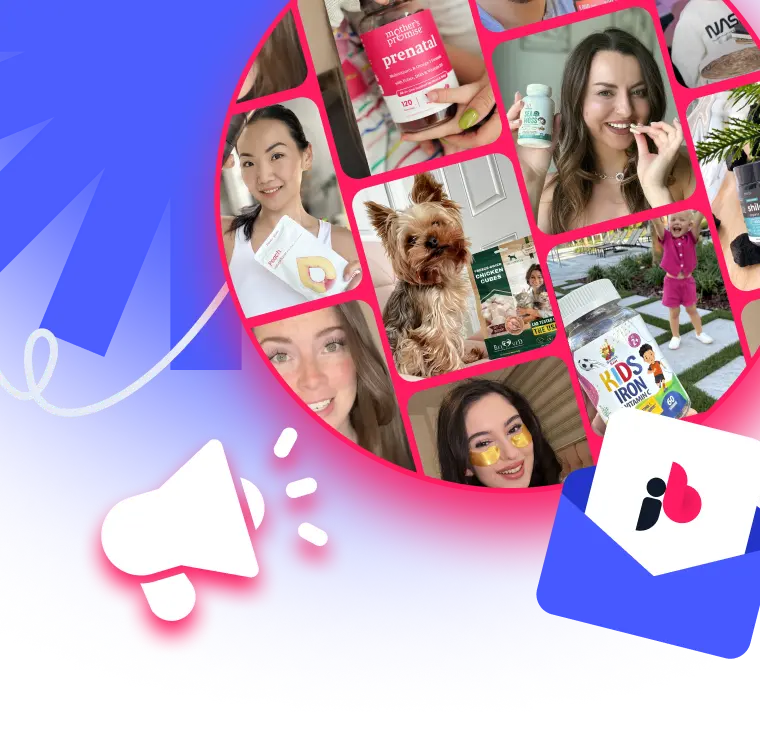
Here’s a look at the JoinBrands dashboard, where brands can discover and connect with a huge network of creators for their campaigns.
An interface like this makes searching and vetting creators a breeze, which is a massive time-saver for any brand.
Step 3: Craft Personalized Outreach
Once you’ve got your shortlist of dream creators, it's time to reach out. Generic, copy-pasted DMs are a one-way ticket to being ignored. Your message needs to prove you’ve actually done your homework and aren't just spamming a list.
A great outreach message is:
- Personal: Mention a specific post or video of theirs that you loved. Show them you're a real fan, not just a marketing bot.
- Concise: Creators are busy people. Get straight to the point about why you're reaching out and what you'd like to send them.
- Pressure-Free: Make it crystal clear that the product is a gift with no obligation to post. This single point builds a ton of trust and respect from the get-go.
This personalized approach dramatically boosts your chances of getting a "yes" and kicks off the relationship on the right foot. For a deeper dive, check out our guide on how to send products to influencers.
Step 4: Design an Unforgettable Unboxing Experience
The moment your product arrives is a massive opportunity. A thoughtful unboxing experience can be the very thing that inspires a creator to grab their phone and start filming. It’s not just about what’s inside the box, but the entire presentation.
Your package is a physical representation of your brand. A memorable unboxing experience can transform a simple product delivery into a shareable, buzz-worthy event.
Little touches go a long way. Think about adding a handwritten thank-you note, using beautiful packaging, or even including a small, complementary gift. These details show you care and make the creator feel genuinely valued – and far more likely to share.
There's a reason this market is exploding. The Global Influencer Market hit $14.2 billion in 2024 and is projected to skyrocket to between $50.3 billion and $97.55 billion by 2030. That insane growth is fueled by the raw power of creator-driven strategies like product seeding. You can dig into the market projections on Research and Markets to see just how big this is getting.
Step 5: Nurture Long-Term Relationships
The job isn’t done once the tracking number says "delivered." Following up is key. A simple message to make sure the package arrived safely and to ask for their initial thoughts can make a huge difference.
If they do post, engage with it! Like, comment, and share their content across your own channels. This shows your appreciation and helps strengthen the bond. The real endgame of product seeding isn't one-off posts; it's about turning creators into long-term brand fans who support you because they actually want to.
How to Measure the True ROI of Product Seeding
Sending out free products is the easy part. The real work? Proving it actually moved the needle for your business. To measure the true return on investment (ROI) of product seeding, you have to look beyond surface-level metrics like follower counts and dial in on the key performance indicators (KPIs) that really matter. It’s not just about who got a product; it’s about the tangible results that followed.
Figuring out if your seeding campaign was a success requires blending both qualitative and quantitative data. You’re measuring the buzz, the content created, and, most importantly, the impact on your bottom line. Thankfully, modern creator marketing platforms make this much simpler, pulling all these metrics into one place so you can show stakeholders exactly what your efforts are worth.
Key Metrics for Tracking Seeding Success
To get a clear picture of your campaign’s performance, you need to monitor a handful of essential KPIs. These numbers tell you if your product is hitting the mark, if creators are genuinely excited to post, and if their content is making an actual impact.
This simple flow chart breaks down the core stages of a seeding campaign, which directly ties into the metrics you’ll be tracking.
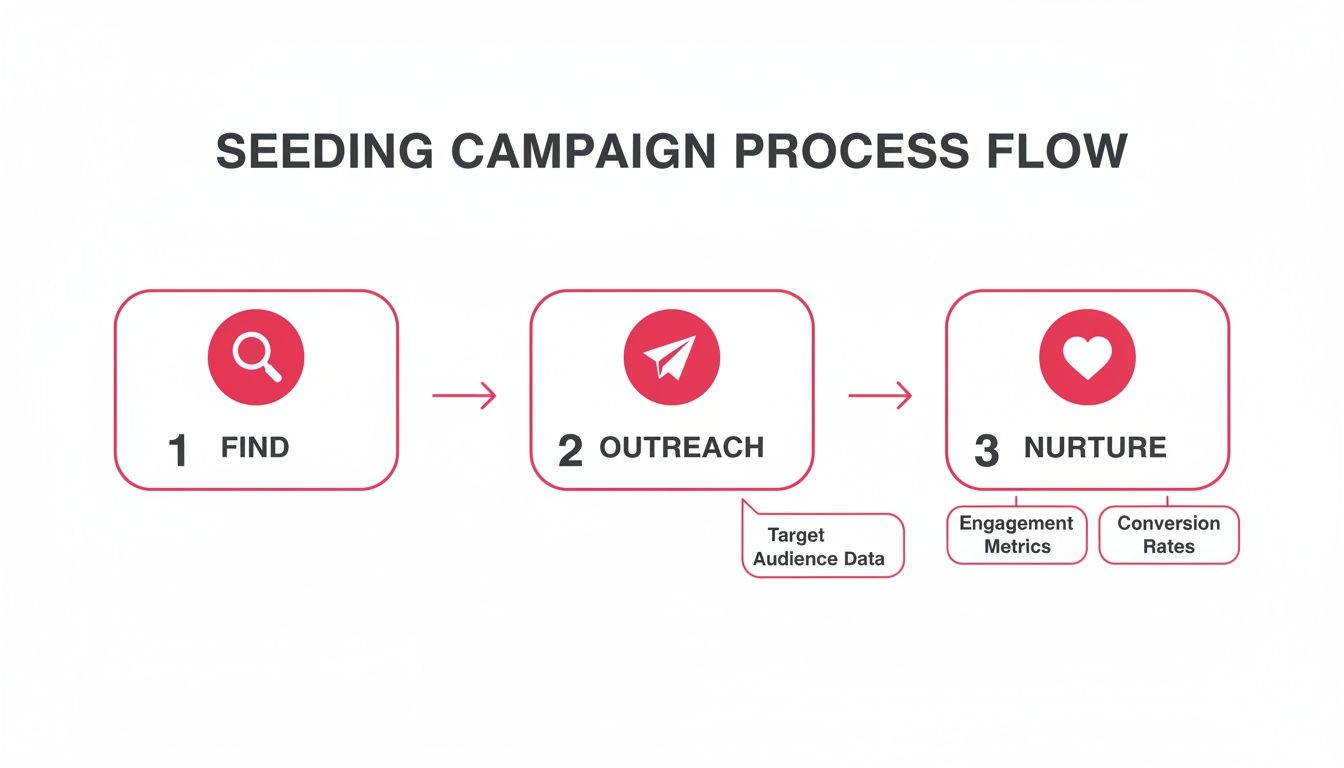
Each step – from finding the right creators to nurturing that relationship – offers up valuable data points you can use for measurement.
To get started, here are the absolute must-watch metrics:
- Post Rate: This is your golden metric. It’s the percentage of creators who received a product and posted about it without any payment or obligation. A healthy post rate, typically between 25-50%, is a massive signal that your product and your outreach strategy are resonating.
- Engagement Rate: Don’t just count the posts; look at the likes, comments, shares, and saves they generate. High engagement means the content isn’t just being seen – it’s starting real conversations and getting people excited about your brand.
- User-Generated Content (UGC) Volume: Keep a running tally of all the photos, videos, and stories that pop up. Every piece of UGC is a valuable asset you can repurpose across your own marketing channels, stretching the value of your campaign even further.
To really dig into what's working and what's not, it helps to organize these KPIs.
Essential KPIs for Product Seeding Campaigns
This table breaks down the most important metrics for measuring success, what they mean, and how to track them effectively.
| Metric (KPI) | What It Measures | How to Track It |
|---|---|---|
| Post Rate | The percentage of creators who post content after receiving a gifted product. This shows genuine product appeal. | Divide the number of creators who posted by the total number of creators who received a product, then multiply by 100. |
| Engagement Rate | The level of interaction (likes, comments, shares, saves) on the content created, relative to the creator's audience. | (Total Engagements / Total Followers) x 100. Most creator platforms calculate this automatically per post. |
| UGC Volume | The total amount of unique content (photos, videos, stories) generated from the campaign. | Manually track posts using branded hashtags and tags, or use a creator platform to automatically aggregate all content in one place. |
| Content Sentiment | The overall tone and feeling of the content and comments (positive, neutral, negative). | Qualitative analysis of posts and comments. Some advanced tools offer sentiment analysis features. |
| Cost Per Post (CPP) | The total campaign cost (product + shipping) divided by the number of posts generated. | (Total Cost of Products + Shipping) / Number of Posts. This helps measure the efficiency of your gifting investment. |
| Sales/Conversions | The number of direct sales or sign-ups attributed to the campaign. | Track using unique discount codes or affiliate links provided to each creator. Monitor sales data in your e-commerce backend. |
By monitoring these KPIs together, you get a complete story of your campaign's performance, from initial creator excitement to final customer action.
Connecting Seeding to Sales and Revenue
Brand awareness is fantastic, but let's be real – the ultimate goal for most brands is to drive sales. Tying revenue back to a no-strings-attached gift might sound tricky, but it’s completely doable when you have the right tracking tools in place.
The Big Idea: The most effective product seeding campaigns build a clear bridge between authentic content and measurable business outcomes. This is done by giving creators the tools to drive and track conversions.
The best way to do this is by giving creators unique assets to share with their followers.
- Unique Discount Codes: Assign a custom code to each creator, like "SARAH15". This makes it incredibly easy to see every single sale that comes from their content right inside your e-commerce dashboard.
- Trackable Affiliate Links: For an even more direct line to sales data, give creators unique URLs. When their followers click the link and make a purchase, you can attribute that conversion directly back to them.
These simple methods transform authentic shout-outs into revenue streams you can actually track. Understanding these numbers is key, and it helps to be familiar with broader concepts like how to measure content marketing ROI like a pro to see the bigger financial picture. As you get more advanced, tracking these conversions will also help you calculate another crucial metric for your business. If you're ready to go deeper, you can also learn more about how to calculate cost per acquisition in our related guide.
Common Product Seeding Mistakes (and How to Avoid Them)
Even the most brilliant product seeding strategy can fall flat if the execution is clumsy. The idea of gifting products seems simple, but a few common missteps can stop you from getting that authentic content and buzz you’re after.
The good news? These mistakes are completely avoidable with a little planning. By understanding where campaigns often go wrong, you can build a smarter, more effective, and creator-friendly program from day one.
Mistake 1: Chasing Follower Counts Instead of Fit
This is probably the most common trap brands fall into. It’s easy to get mesmerized by a huge follower count, but a massive audience means nothing if they aren't the right people for your product. Sending a high-end gaming mouse to a fashion influencer, for instance, is a total mismatch that pretty much guarantees zero return.
The Fix: Go deeper than vanity metrics. Focus on audience demographics and, more importantly, engagement rates. You're looking for creators whose followers mirror your ideal customer and who have an active, trusting community. A micro-influencer with 10,000 highly engaged followers is almost always more valuable than a macro-influencer with 500,000 who are just passively scrolling.
Mistake 2: Setting Unclear (or No) Expectations
Product seeding works because it's a "no strings attached" deal, but that doesn't mean you should be vague. If you don't clearly state that a post isn't required or fail to provide any useful brand info, you leave creators in a weird spot. This confusion often leads to them doing nothing at all.
The Fix: Be crystal clear from your very first message. State upfront that the product is a gift with no obligation to post. In the same breath, give them a simple, one-page brief with key brand messages, relevant hashtags, and your social media handles. This makes it incredibly easy for them to tag you if they do decide to share on their own.
Mistake 3: Ignoring the Unboxing Experience
Just tossing your product in a plain brown box is a huge missed opportunity. The unboxing is often the first real, physical interaction a creator has with your brand. A memorable one can be the exact trigger that inspires them to hit record and start creating content.
A thoughtfully designed package is more than just shipping protection; it's a content-creation starter kit. An unboxing that feels special is an experience worth sharing.
The Fix: Sweat the small stuff. Invest in branded packaging, tuck in a handwritten thank-you note, and maybe add a small, unexpected extra. These personal touches make the creator feel genuinely valued and can turn a simple delivery into a shareable event.
Mistake 4: Failing to Follow Up
Your job isn't done once the tracking says "delivered." So many brands send a product and then just sit back, passively waiting for content to magically appear. This hands-off approach feels impersonal and is a surefire way to have your product get lost in the shuffle.
The Fix: This is all about relationship building. Drop them a quick, friendly message a few days after delivery just to make sure the package arrived safely. And if they do post? Engage with their content immediately. Like it, leave a thoughtful comment, and share it on your own channels. This simple act of appreciation goes a long way in strengthening the connection and encouraging them to become a true brand fan.
Got Questions About Product Seeding? We’ve Got Answers.
Even with a solid plan, a few practical questions always pop up before launching your first seeding campaign. Let's tackle the most common ones we hear from brands so you can get started with total confidence.
How Much Should I Budget for a Seeding Campaign?
This is where seeding really shines compared to paid ads. Your main costs aren't creator fees, but rather the Cost of Goods Sold (COGS) and shipping. The best way to start is by figuring out how many products you can realistically gift each month without putting a strain on your inventory.
Your budget really just needs to cover three things:
- The actual cost to make each product.
- The cost of packaging and getting it ready to ship.
- The shipping fees to get it into the creator's hands.
If you're just dipping your toes in, try a small pilot program with 20-30 creators. This is a great way to see how people respond to your product and what your initial post rates look like before you decide to scale up.
Are Creators Required to Post About a Gifted Product?
Nope, and that’s the magic of it. Since there's no payment changing hands, creators are under no contractual obligation to post. This is exactly what makes the content so powerful when they do decide to share – it's a real-deal endorsement, not just another ad they were paid to make.
The whole point of gifting is that it’s "no strings attached." That’s what keeps it authentic. The second you require a post, it becomes a barter deal, which brings in different FTC rules and completely changes how their audience sees the content.
Do I Need a Contract for Product Seeding?
Definitely not. In fact, sending a formal contract can kill the vibe of a genuine seeding campaign. You're trying to build a real relationship, and a stuffy legal document can make the whole thing feel cold and transactional.
Instead, just focus on being clear and friendly in your outreach. Make sure your message plainly states that the product is a gift, with absolutely no obligation to post. That's all you need.
Ready to stop guessing and start connecting with creators who genuinely love your brand? JoinBrands makes it simple to discover the right partners, manage your gifting campaigns, and track the authentic content that drives real growth. Find your perfect creator match today!