
 Boost Your Reach with measuring brand awareness: A Practical Guide
So, what exactly is social media whitelisting?
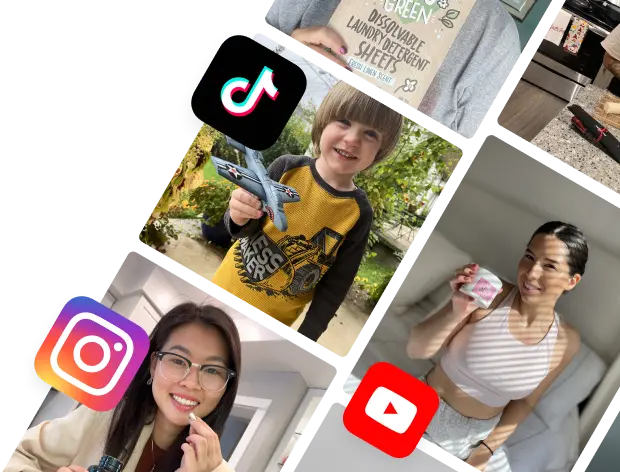
In a nutshell, it's when a creator gives a brand advertising access to their social media accounts. This lets the brand run ads that look like they're coming straight from the creator's handle. Think of it like a creator handing you a digital key to put your ad budget behind their content and reach a much wider audience.
Table of Contents
Unlocking Better Performance with Social Media Whitelisting

Think about it this way: if a friend you trust recommends a new restaurant, you're probably going to check it out. But if a faceless ad for that same restaurant pops up in your feed, you might just scroll right by. That’s the magic of whitelisting social media. It closes the gap between the authentic voice of a creator and the powerful reach of paid advertising.
When an ad runs from your official brand account, everyone knows it’s an ad. There’s no hiding it. But when that same promotion comes from an influencer's profile, it lands differently. It feels like a genuine recommendation, borrowing the trust and social proof that creator has worked so hard to build with their community.
Practical Example: A skincare brand could whitelist a video from a beauty creator demonstrating their morning routine. The ad, running from the creator's handle, feels like a natural extension of their usual content, leading to higher engagement and more clicks to the product page than a standard brand ad would.
This simple shift turns a standard ad into what feels like a real, authentic post, helping you slice through the noise and fight the ad fatigue that kills so many campaigns.
Why Every Modern Brand Needs to Get on Board
You might hear people in the industry starting to use the term "allowlisting" instead of "whitelisting," but don't get confused—they mean the exact same thing. This isn't just a simple name change; it's a sign that the entire space is maturing. We're moving away from one-off influencer posts and toward strategic, performance-driven marketing.
And there's a good reason for this shift. The global influencer marketing industry is on track to hit a staggering $40 billion by the end of 2026. At the same time, marketers are getting smarter about authenticity. A recent study showed that 36.7% of marketers are worried about the lack of genuine connection in content, especially with the rise of AI. This just proves how crucial that human touch really is.
Pro Tip: Always get usage rights for the creator's content and handle in writing upfront. A standard 30–90 day agreement is a great starting point, giving you enough time to test different ad variations, optimize the winners, and scale what’s working best.
Before we dig deeper, let's break down how whitelisted ads stack up against the traditional ads you're probably used to running.
Whitelisted Ads vs Traditional Ads at a Glance
This table shows the fundamental differences in how these two ad types are created, perceived, and what they can achieve for your brand.
| Feature | Whitelisted Ads (via Creator) | Traditional Ads (via Brand) |
|---|---|---|
| Ad Source | Appears to come from the creator's handle. | Comes directly from the brand's business page. |
| Audience Perception | Seen as a trusted, authentic recommendation. | Clearly identified as a corporate advertisement. |
| Engagement | Typically higher likes, comments, and shares. | Often lower organic engagement and trust. |
| Flexibility | Allows for A/B testing of existing organic content. | Requires creating all new ad creative from scratch. |
| Targeting | Can target new "lookalike" audiences based on the creator's followers. | Limited to the brand's own audience data and general targeting. |
As you can see, the core advantage of whitelisting is wrapping your paid media muscle in the creator's trusted voice, which unlocks a whole new level of performance.
The Key Advantages of Whitelisting
When you start whitelisting creator content, you'll see a few game-changing benefits that go way beyond just getting your brand name out there.
Sky-High Engagement and Trust: Because the ads look like organic posts from a trusted source, people are way more likely to engage. You'll see more likes, more comments, and more shares than you would with a typical corporate ad.
Supercharge Your Audience Targeting: Whitelisting gives you the keys to the kingdom inside the platform's ad manager. You can take a creator's high-quality audience and build powerful lookalike audiences—reaching thousands of new people who are just like the creator’s biggest fans but haven't heard of you yet.
Dial-In Your Ad Performance: This is where it gets really powerful. You can take one great piece of creator content and run dozens of A/B tests against it. Tweak the headline, switch up the call-to-action, or play with the ad copy to see what drives the best return on ad spend (ROAS). It's a structured way to make your ads work harder.
This strategy gives you a repeatable playbook for scaling your ads without sacrificing authenticity. It's a common practice for agencies managing campaigns for multiple clients, often as part of a larger strategy like offering whitelabel Facebook Ads. At the end of the day, whitelisting is a must-have tool for any brand that wants to scale its advertising and still feel real.
The Benefits of Whitelisting for Brands and Creators

At its core, social media whitelisting is a win-win. It creates a powerful partnership where both brands and creators come out ahead, moving way beyond a simple sponsored post into a smarter advertising strategy.
The main advantage is simple: ads running from a creator’s profile just feel different. They completely sidestep the ad fatigue and skepticism people have for typical brand-run ads.
Think about it. It’s the difference between a brand shouting about its own products and a friend genuinely recommending something they love. That feeling of authenticity is what drives higher engagement, builds real trust, and ultimately, gets you much better results.
For brands, the benefits are tangible and easy to measure. For creators, it unlocks brand new opportunities for growth and income.
Brand Benefits: Unlocking Performance and Authenticity
If you're a brand looking to get the most out of your ad budget, whitelisting offers some serious advantages that hit your bottom line. It’s all about making your ad dollars work smarter, not just harder.
The biggest perk is the power to run precise, data-backed A/B tests. Once you have access to a creator's content inside an ad platform, you can test dozens of different versions to see what works best.
- Test Different Ad Copy: Does a headline framed as a question get more clicks than a simple statement?
- Experiment with CTAs: Will "Shop Now" outperform "Learn More" for this specific audience?
- Target New Audiences: How does the post perform with a lookalike audience compared to one built on interests?
This kind of control lets you fine-tune every part of the campaign to find that perfect combination and maximize your return on ad spend (ROAS).
Pro Tip: Use a dedicated creator marketing platform to handle permissions and keep the whole process organized. These platforms are designed to centralize content approvals and secure access, which makes for a smooth partnership without the logistical nightmare of chasing down individual account details.
Creator Benefits: Expanding Reach and Authority
Whitelisting isn’t just great for brands; it's an absolute game-changer for creators who want to grow their influence and turn their passion into a profession. When a brand puts its ad budget behind your content, that post's reach can explode, going far beyond your organic followers.
Practical Example: A food creator with 50,000 followers partners with a kitchen gadget brand. The brand whitelists one of their recipe videos and puts $5,000 in ad spend behind it. The ad reaches over 500,000 new people, and the creator gains 5,000 new followers in a single week—growth that would have taken months organically.
This exposure gets your content in front of new, highly relevant audiences, which speeds up follower growth and solidifies your reputation as an expert in your niche. It shows your community—and other potential brand partners—that your content is top-notch and gets results. By adding this approach to their existing social media growth strategies, creators can build a more stable and sustainable career.
This collaborative model has become a key part of modern influencer marketing. It’s so effective that about 90% of influencers say it benefits both them and their brand partners by boosting reach and follower numbers. Whitelisting cleverly blends paid promotion with organic-style content, overcoming audience skepticism and using social proof to drive higher engagement—a trend that’s only going to become more common as the market evolves. You can find more on this and what’s next in this 2026 ad strategy analysis.
Whitelisting also offers a professional way to monetize that respects your creative voice. Instead of a single payment for one post, it builds an ongoing partnership where you're paid for your creative talent and the results it produces, all while keeping that authentic bond with your audience.
How to Set Up Whitelisting on Key Social Platforms
Alright, so you get why whitelisting is a game-changer. Now for the fun part: actually setting it up. This is where the theory turns into real-world results, but it's also where a lot of people get stuck.
While the idea is simple—a brand runs ads through a creator's account—each social platform has its own set of rules and technical steps. Getting these details right is the difference between a smooth campaign launch and a frustrating mess. Let's walk through the exact setup for the big players: Meta (Facebook and Instagram), TikTok, and YouTube.
Setting Up Whitelisting on Meta (Facebook and Instagram)
Meta has the most mature system for whitelisting, all managed through its Business Suite and Ads Manager. The whole process is about connecting your brand's Business Manager account to the creator's page and profile assets.
Here’s the brand's step-by-step for getting access:
Get the Creator’s Business Manager ID: First things first, the creator needs an Instagram Professional Account (Creator or Business) linked to a Facebook Page. They'll need to log into their Meta Business Suite to find and send you their Business Manager ID. It's a unique string of numbers.
Request Partner Access: With their ID in hand, head over to your own Business Suite. Go to "Business Settings," find "Partners" under the "Users" section, and click "Add." You'll want to select the option to "Ask a partner to share their assets."
Enter the ID and Ask for Permissions: Paste the creator's Business Manager ID. Now you have to request access to their specific assets. You'll absolutely need permissions for their Facebook Page and Instagram Account to run ads from their handle.
Pro Tip: Be specific and build trust. Request "Ads" level permission only. This allows you to create and manage campaigns using their identity while preventing you from making organic posts or changing account settings. This shows the creator you respect their ownership and helps build a stronger partnership.
Once the creator approves your request on their end, you're in. Their handle will show up as an "Identity" option when you're setting up a new ad in Ads Manager. You can then boost an existing post or create a brand new ad that looks like it came straight from their profile.
Activating Ads on TikTok with Spark Ads
On TikTok, whitelisting goes by another name: Spark Ads. This is what lets you boost a creator's organic video or use their handle to run a new ad, making it feel 100% native to the "For You" page. The process all hinges on the creator generating a special ad code for you.
Here's how a creator gives you the green light:
Creator Gets the Video Ready: The creator just needs to make sure their account is "Public." Then, they find the video they're letting you promote.
Generate the Ad Code: They tap the three dots ("…") on the video, go to "Ad settings," and switch on the "Ad authorization" toggle. After agreeing to the terms, they can set how long the code is good for (like 30, 60, or 365 days) and hit "Generate Code."
Share the Code: The creator simply copies that unique code and sends it over to you.
Pro Tip: Ask the creator to generate a code with a 365-day duration, even if your contract is for 60 days. This prevents the code from expiring mid-campaign if you decide to extend the usage rights, saving you the hassle of having to request a new code later.
Once you have the code, you pop into your TikTok Ads Manager. Go to "Assets" > "Creative," select "Spark Ad Posts," and click "Apply for Authorization." Paste the code, and voilà—the creator's video is now in your account, ready to be dropped into a new campaign. This is non-negotiable for running authentic-looking ads, and knowing the platform's creative rules gives you a serious leg up. For a deeper dive, check out our guide on TikTok ad specifications.
Whitelisting on YouTube and YouTube Shorts
Whitelisting on YouTube works a bit differently and is run through Google Ads. It lets your brand promote a creator's existing video as an in-stream or in-feed video ad—perfect for turning a killer product review into a sales-driving machine.
The whole thing relies on the creator granting channel permissions.
Creator Grants Channel Access: The creator needs to log into their YouTube Studio. From there, they'll go to "Settings," then "Permissions," and click "Invite."
Brand Accepts the Invitation: The creator enters the email address tied to your Google account and assigns a role. The "Viewer" role is perfect; it lets Google Ads see their public videos without giving you any scary management or editing powers. You'll get an email invitation—just accept it.
Once you have permission, you can head into your Google Ads account to build a video campaign. When it's time to choose your ad creative, you can simply search for the creator's video using its URL. Because you've been granted permissions, Google Ads will let you use their video as your ad, running seamlessly under their channel name and branding.
Building a Scalable Whitelisting Workflow
If you want to turn social media whitelisting into a real growth engine, you have to move beyond one-off campaigns. You need a repeatable system. A scalable workflow isn't just about handling logistics; it's a strategic framework that makes your creator partnerships predictable, efficient, and incredibly effective.
This means building a process you can run over and over, with any creator, on any platform.
The whole thing starts way before you ever boost a post. It begins with finding the right partners and setting crystal-clear expectations. Get this right, and you'll sidestep confusion and make sure everyone is pulling in the same direction. Without a structured workflow, you’re just signing up for wasted time, miscommunication, and campaigns that never deliver.
Creator Discovery And Vetting
The creator is the absolute foundation of any successful whitelisting campaign. You need to find partners whose audience genuinely lines up with your brand and whose content style feels natural for your message.
Don't get distracted by follower counts. You need to dig deeper into their engagement metrics, audience demographics, and past brand deals.
A solid vetting process should cover:
- Audience Alignment: Does their community actually look like your ideal customer? Ask for a screenshot of their audience demographics from their analytics.
- Engagement Quality: Are the comments and shares real, or are they just fluff? A high comment-to-like ratio is often a great sign of an engaged community.
- Content Authenticity: Does their content feel genuine and trustworthy? A creator whose feed is a chaotic mess of sponsored posts might not have much credibility left.
- Brand Safety: Go through their past content to make sure their values and tone won't clash with your brand’s public image.
This flowchart breaks down the essential steps for getting whitelisting permissions activated across the major platforms once you’ve picked your creator.

As you can see, every platform has its own distinct way of granting permissions—from partner access in Meta to ad codes on TikTok. This is exactly why having a standardized process is so critical.
Crafting Briefs And Contracts
Once you’ve found the perfect creators, the next move is to lay down clear guidelines and get the legal agreements sorted. This protects both you and the creator and makes sure everyone is on the same page about their roles.
A great creative brief strikes a balance between direction and freedom. It should map out the campaign goals, key messages, and any must-haves (like specific product mentions or calls-to-action). At the same time, it needs to give the creator enough space to bring their own unique style—after all, that’s the authenticity you're paying for.
Pro Tip: Your contract is your safety net. It absolutely must spell out the usage rights, including the duration (e.g., 60-90 days), the platforms where you can run the ads, and whether you can repurpose the content for other marketing. Being clear upfront saves you from expensive headaches down the line.
Centralizing Operations With A Platform
Trying to manage a dozen creator partnerships manually is a recipe for pure chaos. Juggling communications, shipping products, approving content, and processing payments across a web of spreadsheets and email threads is a massive time-suck and just asking for mistakes.
This is where a centralized creator marketing platform becomes a game-changer. These tools serve as the single source of truth for your entire whitelisting program.
- Streamlined Communication: Keep every conversation with every creator all in one spot.
- Automated Workflows: Manage the entire process, from sending out products to getting final content approvals, in a structured way.
- Simplified Payments: Handle all your creator payments securely through one system.
Using a platform turns a messy, complicated process into a well-oiled machine. It frees you up to focus on the big picture—strategy and optimization—instead of drowning in admin work. For any brand serious about scaling, perfecting your content approval workflow is a non-negotiable first step, and a dedicated platform makes it easy.
This kind of structured approach is what you need to effectively launch, monitor, and optimize your whitelisting social media campaigns.
Measuring the Success of Your Whitelisting Campaigns
So, your whitelisted ads are officially out in the wild. Now the real fun begins. To figure out if your strategy is actually working, you have to look past the surface-level stuff like likes and comments and get into the data that really hits your bottom line. Success with whitelisting social media isn't about social buzz; it's about cold, hard numbers.
This is where whitelisting truly shines compared to a standard organic influencer post. Since the content is running straight through your brand’s ad account, you get access to pristine, reliable data directly from the platform's ad manager. You can see precisely what's working, what's a dud, and where every single dollar of your ad spend is going.
Key Performance Indicators to Track
To really get a feel for your campaign's performance, you need to get comfortable with a few core metrics. These KPIs tell the real story of how your creator-led ads are resonating and, more importantly, if your investment is actually making you money.
Here are the essential metrics you should be keeping a close eye on:
- Click-Through Rate (CTR): This is the percentage of people who see your ad and are compelled enough to click on it. A high CTR on a whitelisted ad is a fantastic sign that the creator’s content and your ad copy are a perfect match, grabbing attention and making people curious.
- Cost Per Acquisition (CPA): This is the real cost you pay to get one brand-new customer. For any e-commerce brand, this is a North Star metric that shows how efficiently your campaigns are running.
- Return on Ad Spend (ROAS): This shows you how much revenue you’re making for every dollar you put into advertising. For example, a 3:1 ROAS means you’re bringing in $3 for every $1 you spend. It's the ultimate measure of profitability.
- Hook Rate: This is the percentage of viewers who stick around for at least the first three seconds of your video ad. In a world of infinite scrolling, a strong hook rate proves the creator’s opening is powerful enough to make someone stop and pay attention.
If you're ready to go even deeper into the numbers, our guide on how to track social media analytics offers more advanced techniques to level up your reporting.
To properly measure the impact of your whitelisted ads, you need a clear view of all the crucial performance indicators. The table below breaks down the essential metrics that will help you gauge the true performance and ROI of your campaigns.
| Metric (KPI) | What It Measures | Why It Matters for Whitelisting |
|---|---|---|
| Return on Ad Spend (ROAS) | The total revenue generated for every dollar spent on ads. | The ultimate measure of profitability. It directly shows if your creator content and ad spend are generating positive returns. |
| Cost Per Acquisition (CPA) | The average cost to acquire one new customer through the ad campaign. | This shows campaign efficiency. A low CPA means your creator ads are converting viewers into customers cost-effectively. |
| Click-Through Rate (CTR) | The percentage of viewers who click on your ad after seeing it. | A high CTR signals that the creator's content is engaging and relevant, effectively driving traffic to your landing page. |
| Hook Rate | The percentage of viewers who watch at least the first 3 seconds of a video ad. | This is critical for video. It shows if the creator's opening is strong enough to stop users from scrolling past your ad. |
| Conversion Rate (CVR) | The percentage of users who complete a desired action (e.g., purchase) after clicking. | This metric connects clicks to actual business results, proving the ad isn't just getting attention but also driving sales. |
Tracking these KPIs together gives you a complete picture, moving beyond simple vanity metrics to understand what's genuinely driving your business forward.
Calculating Your True Return on Investment
A classic mistake is to only look at your media spend when calculating your CPA or ROAS. For whitelisting, you have to factor in all the costs to get an honest look at your return on investment. This is where your blended CPA comes in.
Blended CPA = (Creator Fees + Usage Rights + Media Spend) / Number of Conversions
This formula is your source of truth. It gives you the actual cost to acquire a customer through your whitelisting efforts and stops you from scaling a campaign that only looks profitable on the surface.
Practical Example:
- Creator Fee: $500 for the content
- Usage Rights: $1,000 for a 60-day license
- Media Spend: $3,500 over two months
- Total Cost: $5,000
- Conversions: 250 sales
Using our formula, your blended CPA is $20 ($5,000 / 250). If your target CPA for bringing in a new customer is $25, this campaign is a clear winner and is ready for you to pour more budget into it.
Diagnosing and Overcoming Creative Fatigue
One of the most valuable things this data can do is help you spot creative fatigue. This is what happens when your audience has seen an ad so many times that it just stops working. You'll see your CPA start to creep up while your CTR takes a nosedive.
This is where whitelisting really pulls its weight. It allows you to separate the performance of the creative from the media buying. Because whitelisted ads borrow the creator's trust, they feel more native and almost always perform better than ads coming directly from a brand's handle, leading to higher hook rates and better engagement.
As ad fatigue naturally drives costs up, this built-in advantage is huge. By tracking your blended CPA, you can make smart, data-backed decisions. For instance, you should only renew a creator’s usage rights if the ad is still beating your target CPA. If performance dips, it’s time to swap in a fresh piece of creative from another creator or test a completely new angle. It’s all about staying agile and letting the numbers guide your next move.
Common Questions About Social Media Whitelisting
As you dive into whitelisting social media content, some questions are bound to pop up. It’s a powerful strategy, but let’s be real—navigating permissions, costs, and new workflows can feel a little confusing at first.
We get it. Our goal here is to cut through the noise and give you clear, straight answers to the most common questions we hear. Think of this as your cheat sheet for getting started with confidence.
What Is the Difference Between Whitelisting and Dark Posting
People often mix these two up, but they're fundamentally different ways to run ads. The key difference really comes down to visibility and authenticity.
Whitelisting, sometimes called allowlisting, is when you run an ad directly through a creator's public social media handle. The ad shows up as a boosted version of their organic content or a new ad from their handle, often visible on their profile. This adds a ton of social proof and makes the ad feel genuine.
Dark Posting is an older term for an ad that uses a creator's handle but is never published to their public feed. The ad is only shown to the specific audience you're targeting.
Today, whitelisting is almost always the way to go. Its transparency builds trust because the public post acts as a real endorsement, making the ad feel less like an ad and more like a trusted recommendation.
How Much Does It Cost to Whitelist a Creator
There’s no one-size-fits-all price for whitelisting. The cost is really a mix of three separate things, and understanding each one is crucial for setting a realistic budget.
- Content Creation Fee: This is what you pay the creator to actually produce the content—the video, photos, and ad copy.
- Usage Rights Fee: This is a separate licensing fee that grants you permission to use their content and handle in your ads for a set amount of time, usually 30 to 90 days.
- Media Spend: This is the budget you put directly into the ad platform (like Meta or TikTok) to push the whitelisted post to your target audience.
Pro Tip: Costs can swing wildly depending on the creator’s audience size and engagement. Always negotiate these three components separately and get them locked down in a contract before any work starts. This avoids any awkward confusion later and makes sure everyone is on the same page about the total investment.
Who Owns the Whitelisted Ad Content
This is a really important one to get right: the creator almost always keeps ownership of the intellectual property (the content itself). When you partner with a creator for whitelisting, you aren't buying the content forever.
What you're actually buying are usage rights. Think of it as a license that allows your brand to use the creator's content for ads under very specific terms.
Your creator agreement absolutely must spell out:
- The exact duration of the usage rights (e.g., 60 days).
- Which platforms you're allowed to run the ads on (e.g., Instagram and TikTok only).
- Whether you have permission to use the content on other channels, like your website or in email marketing.
Pro Tip: If you have a feeling an ad is going to be a big winner, negotiate for broader or longer-term rights upfront. It's often cheaper to get a 90-day license from the start than to pay for a 30-day license and then try to extend it when the campaign is performing well.
Do I Need a Big Budget to Start Whitelisting
Not at all. One of the best things about whitelisting social media content is how scalable it is. You don’t need a huge budget to jump in and start seeing results.
A great way to start is with a small, controlled test. You can partner with nano-influencers (1,000–10,000 followers) or micro-influencers (10,000–50,000 followers). These creators often have super-engaged, niche audiences and charge much less for content and usage rights.
Practical Example: You could partner with three different micro-creators, paying them $250 each for content and a 30-day license. Then, you can run their ads with a small daily media spend of $50 per ad. Within a week or two, you’ll have enough data to see which creator's content is delivering the best ROAS, allowing you to scale the winner confidently.
Ready to scale your brand with authentic creator content? JoinBrands connects you with over 250,000 creators to produce high-impact UGC and run powerful whitelisted ad campaigns. From AI-powered creator matching to seamless Spark Ads activation, our platform makes it easy to manage your entire workflow in one place. Start your campaign today!