


 Affiliate Outreach Playbook: How to Scale Your Program
Affiliate growth usually stalls when teams chase the wrong lever. More creators, bigger commissions, and a few more links won't fix a weak operating model, because affiliate marketing performs best when it's run like a system, not a referral side project. The work is matching creators to buyers, shaping incentives, protecting content rights, tightening conversion paths, and turning good campaigns into repeatable playbooks.
That matters more than ever because affiliate marketing has scaled into a major performance channel, not a niche experiment. Industry estimates put worldwide spend at US$19.4 billion in 2026 after US$17.1 billion in 2025, with a forecast of US$22 billion by 2027; U.S. spending is expected to reach US$12.42 billion in 2025 and about US$13.81 billion in 2026 according to separate projections from the same data source set (Digital Applied statistics overview). The brands that win usually don't recruit hardest, they operate better. That means smarter creator discovery, cleaner attribution, stronger landing pages, and tighter campaign governance, all of which a platform such as JoinBrands can help centralize through creator matching, campaign management, content approval, and performance workflows.
Table of Contents
1. Build a Diversified Creator Portfolio Across Multiple Platforms
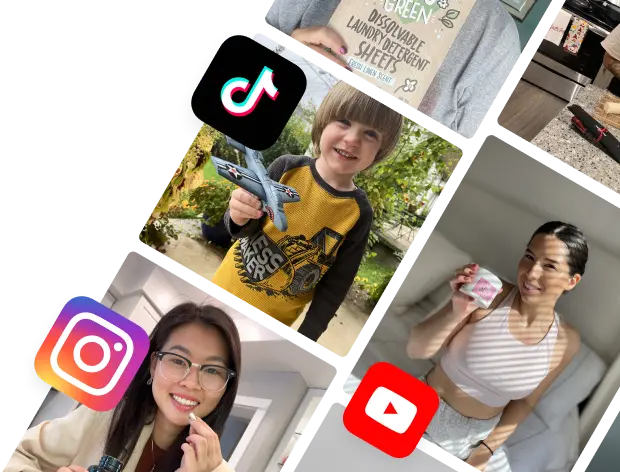
A single-platform affiliate program is fragile. If your entire pipeline depends on one feed, one format, or one algorithm, performance can wobble even when the product itself is strong. DTC and e-commerce teams get better resilience when they spread creators across TikTok, Instagram, YouTube, and newer channels with different content styles and buying intents.

Start narrow, then widen deliberately
The mistake is not diversification itself, it's spreading budget too thin. A better starting point is a small cluster of creators on each platform, enough to compare how a product sells in short-form video, in reviews, and in story-led content. For a beauty launch, that might mean creators making TikTok demos, Instagram Reels before-and-after clips, and YouTube explainers that answer objections in depth.
Platform-native execution matters too. Use Spark Ads when TikTok content is already converting, lean on Reels for quick product proof, and let YouTube creators carry comparison or demo-heavy narratives. Micro-influencers can be a practical entry point on new platforms because they're easier to test in batches before you commit to a larger rollout.
Practical rule: diversify by platform, but keep the creative brief consistent enough to compare outcomes cleanly.
A JoinBrands-style workflow helps here because teams can sort creators by platform, content format, and audience fit before launch instead of manually guessing who belongs where. That cuts the risk of building a program around one traffic source that later goes soft.
2. Implement Performance-Based Commission Structures
Flat fees are easy to explain, but they're not always the best way to motivate affiliate creators. Performance-based commissions work better when you want creators to care about conversion quality, not just content volume. The right structure aligns payouts with the outcomes your finance and growth teams value.
The channel already proves it can deliver meaningful revenue when managed well. In one industry report, 74% of brands said affiliate marketing generates 11% to 30% of total revenue (Impact state of affiliate marketing report). That level of contribution deserves incentive design that rewards results, not just posting cadence. A brand that sells through creators should think in terms of tiers, bonuses, and review periods instead of a single fixed rate.
Make the pay plan easy to understand
Creators need to see the path to earning more. A common structure is a base commission with upside for hitting sales thresholds, plus a short review window before the rate becomes permanent. That gives newer partners a fair entry point while rewarding the creators who consistently drive revenue.
- Base commission: keeps the program simple for onboarding.
- Tiered upside: encourages creators to keep posting after the first sale.
- Minimum guarantee: reduces friction for early-stage partners who need predictable returns.
- Review period: lets you verify what's converting before locking in the final terms.
A program becomes easier to scale when creators can explain the payout in one sentence.
Secure payout handling also matters. If the process is slow or unclear, creators drift toward easier programs even when your brand is a better fit. JoinBrands can support automated workflows that reduce manual payout friction, which is especially useful for agencies managing many small partnerships at once.
3. Leverage User-Generated Content from Affiliate Creators
Affiliate creators aren't just traffic sources. They're also a content engine. The strongest brands repurpose creator footage into product pages, ads, email, and social posts, turning one good video into multiple assets that keep working after the original post goes live.
A common mistake is treating creator content as disposable. Once you have content rights, those clips can become proof points across the whole funnel. That's especially useful in DTC, where shoppers often want to see the product in a real setting before they trust it.

Treat UGC as an asset class
Affiliate agreements should spell out rights clearly, because the content has value beyond the first placement. If a skincare creator records an unboxing or a routine demo, that footage can anchor a PDP, support paid social, and add credibility to an email campaign without requiring a full studio shoot. The trade-off is that you need to be precise about permissions, crediting, and usage scope.
Use the best-performing creator assets first. Content from your top converters already proved it can move buyers, so it usually deserves the widest distribution. Keep the creator credited when you repurpose it, because the audience often trusts the original voice more than the brand polish.
A useful repurposing pattern is a creator compilation. Combine clips from several affiliates into one product story, then use that montage in ads or on a landing page. It gives hesitant shoppers more than one perspective without forcing your team to produce everything from scratch.
4. Use Predictive Analytics to Match Creators with High Conversion Potential
Follower count is a weak filter on its own. A creator with a large audience can still underperform if the audience is broad, mismatched, or tuned for entertainment rather than purchase intent. Predictive matching helps teams focus on audience quality, niche fit, and content style before they spend time negotiating or sending products.
The market already shows why this matters. Businesses report an average return of $6.50 for every $1 invested in affiliate marketing, and more than 80% of brands use affiliate marketing to drive leads and sales (FirstPromoter affiliate statistics). If the channel is that central, creator selection has to be more rigorous than a quick scan of follower totals.
Look for fit, not just reach
JoinBrands-style predictive filters are useful when they evaluate engagement quality, audience demographics, and niche alignment together. A creator with a smaller audience can outperform a larger one if the buyer match is tighter and the content format feels natural for the product. That's especially true for product demos, beauty tutorials, home goods, and software walkthroughs.
Practical insight: historical consistency usually matters more than a single viral post.
Review several months of creator output, not just one breakout clip. You want to know whether the creator can repeat a style that works, because repeatability is what supports scalable affiliate spend. Test predicted matches in small batches, then compare actual conversion data against the model's forecast before widening the partnership.
For agencies, predictive selection saves time. Instead of briefing 50 creators and hoping 10 land, you can narrow the field to the people most likely to convert for that exact SKU, audience, and channel mix.
5. Create Exclusive Promo Codes and Trackable Discount Offers
Promo codes give creators a clean way to influence purchases when link clicks are messy or hard to track. They also give buyers a direct reason to act now. For many e-commerce teams, codes are the simplest bridge between creator inspiration and checkout behavior.
The practical upside is attribution clarity. A unique code assigned to each creator helps you see who drove revenue, especially when customers hear about the product on one platform and buy later on another. It's a useful fallback when direct link attribution doesn't capture the full journey.
Keep the code human
Short, memorable codes work better than long branded strings. A code tied to the creator's name feels personal, and that personal feel can improve how the offer lands in a caption or video script. Time limits also help, because they turn casual interest into a faster decision.
- Use simple code formats: short, name-based, and easy to say out loud.
- Pair codes with a clear offer: buyers should understand the value instantly.
- Add an expiration: urgency can push undecided shoppers over the line.
- Share weekly code reports: creators tend to stay engaged when they can see results.
A smart scenario is a fitness creator saying the code on camera, then repeating it in the caption and story swipe-up. That gives the audience multiple reminders and gives the brand a measurable path from content to purchase. If a few creators consistently outperform, shift budget toward them instead of leaving spend evenly distributed.
6. Build Long-Term Creator Relationships vs. One-Off Campaigns
One-off posts can spike traffic, but they rarely build the kind of message continuity that drives durable affiliate results. Long-term partnerships give creators time to make the product feel normal inside their content, which usually looks more credible than a single sponsored mention.
That's where many programs get stuck. They buy a burst of visibility, then restart from zero the next month. A better model is to build a stable creator bench and let the strongest partners deepen their familiarity with the brand over time.
Use retainer logic where the fit is strong
Longer partnerships work best when the creator naturally fits the category and can keep integrating the product without repeating the same pitch. A wellness creator can show a supplement in a routine, a beauty creator can revisit a skincare item across seasons, and a SaaS creator can update followers as the product evolves. The brand gets more context, and the creator gets more room to tell a story.
Strong affiliate relationships feel like editorial partnerships, not one-time ad slots.
That said, long-term doesn't mean rigid. Creators still need room to choose the angle, timing, and content format that fits their audience. If you over-script the content, you'll often flatten the very voice that made the creator valuable in the first place.
A practical operating habit is to share monthly performance summaries with your top partners. When creators can see what's converting, they can adjust their own content and avoid repeating weak formats. JoinBrands can support this kind of ongoing collaboration when teams need one place to handle briefs, approvals, and follow-up across multiple active partners.
7. Optimize Landing Pages and Product Pages for Affiliate Traffic
Affiliate traffic isn't identical to organic search traffic or retargeting traffic. The shopper often arrives from a creator's recommendation with curiosity, not full purchase intent. If the landing page feels generic or slow, the click is wasted.
Many programs leave money on the table. They put effort into creator recruitment, then send traffic to a page designed for everyone. Affiliate buyers respond better when the page matches the promise in the content and removes friction fast.
Match the page to the visitor's intent
First-time buyer pages should feel lighter than a retargeting page. Show the core benefit quickly, keep the layout mobile-friendly, and surface social proof where the eye lands first. If the creator built trust, the page should preserve that trust instead of interrupting it with too many options or too much copy.
A product page can also mention the creator by name when the campaign context supports it. That small cue makes the experience feel connected instead of generic. Add creator video when possible, because short-form video often answers questions faster than static product photography.
The fastest way to lose affiliate clicks is to make the landing page look unrelated to the creator's recommendation.
Checkout matters too. Reduce form friction, make guest checkout easy, and show delivery timing and security cues clearly. If the offer is time-limited, make the deadline visible so the urgency from the creator content doesn't disappear at the final step.
8. Implement Multi-Touch Attribution to Understand Creator Impact
Last-click attribution is too blunt for creator-led commerce. Buyers often need multiple touches before they commit, especially for higher-consideration products or categories with lots of substitutes. If you only reward the final click, you'll underpay the creators who introduced the shopper and overvalue the final nudge.
That creates bad incentives. Top-of-funnel creators lose credit, mid-funnel reviewers get ignored, and the program starts to optimize for the wrong behavior. Multi-touch attribution makes the journey visible.
Credit the full path, not just the final tap
Start simple if your team is new to attribution. Linear credit is easier to explain than a more complex model, and it still forces the organization to acknowledge that multiple creators can contribute to one sale. GA4's data-driven attribution can then add more weighting once enough journey data exists.
A useful internal question is which creator combinations work together. For example, an awareness creator might introduce the product on YouTube, while a second creator closes the sale on Instagram with a promo code. That combination is often more valuable than either creator alone, even if the final click points somewhere else.
Practical rule: if two creators repeatedly appear in the same purchase path, treat them like a team, not isolated vendors.
This is also where commission structure can get smarter. Give awareness creators a different incentive from conversion-focused creators, then measure the blended outcome at the campaign level. The goal is not to make attribution more academic, it's to make spend decisions more accurate.
9. Create Seasonal and Product-Specific Campaign Playbooks
Affiliate programs scale better when teams stop reinventing the brief every time. A playbook turns scattered best practices into a reusable operating system for launches, holidays, restocks, and clearance pushes. That reduces planning time and makes campaign execution more consistent.
The best playbooks don't dictate every line of copy. They give the team a reliable structure, then leave enough room for creators to adapt the message to their audience. That balance matters because rigid templates often flatten performance.
Build playbooks around use cases, not just products
A holiday playbook should look different from a launch playbook. A launch might need education-first content, while a clearance campaign might need urgency and simple offer framing. If you run multiple categories or markets, localize the playbook so the same idea lands well in each audience.
- Holiday playbooks: define creator types, timing, and message cadence.
- Launch playbooks: prioritize explainers, demos, and first-impression content.
- Clearance playbooks: lean into urgency and stock movement.
- Agency playbooks: help new team members execute without starting from zero.
The value is speed. Once a playbook exists, your team can brief creators faster and keep the campaign from drifting off-message. It also makes it easier to compare one seasonal push against the next, because the structure stays stable even when the content changes.
10. Playbook Maintenance and Governance
A playbook that never changes becomes a liability. Products evolve, compliance expectations shift, and top performers eventually find angles that the original brief didn't anticipate. Governance keeps the system useful without turning it into bureaucracy.
The main task is not control for its own sake. It's preserving what works, updating what no longer fits, and making sure the team knows why a change was made. That matters most for larger brands and agencies where multiple people touch the same creator program.
Review what deserves an update first
Use performance data to decide where to focus. If one seasonal playbook consistently outperforms the others, keep it current and document the specific decisions that made it work. If a launch playbook is underperforming, revise the offer framing, creator mix, or landing page assumptions rather than leaving the template untouched.
Governance should protect performance, not freeze it.
A clean process usually includes version control, named owners, and a scheduled review cadence. That way, a CMO, brand manager, or agency lead can see which guidance is current and which guidance was retired. The best teams also allow creators to deviate when they have a strong reason, because a small smart exception can outperform a rigid rule.
10-Point Affiliate Strategy Comparison
| Strategy | Implementation Complexity 🔄 | Resource Requirements ⚡ | Expected Outcomes 📊 | Ideal Use Cases ⭐ | Key Advantages 💡 |
|---|---|---|---|---|---|
| Build a Diversified Creator Portfolio Across Multiple Platforms | High, coordinate creators and platform-specific metrics | High, multi-platform management, varied creative assets, analytics | Increased reach, platform-specific conversions, reduced algorithm risk | Brands scaling DTC or targeting broad/multi-demographic audiences | Expanded reach; platform-optimized formats; risk diversification |
| Implement Performance-Based Commission Structures | Medium, requires reliable attribution and payout automation | Medium, tracking infrastructure, accounting, creator dashboards | Better ROI alignment; pay-for-results; motivated creators | Performance-driven programs and limited-upfront-cost campaigns | Aligns incentives; reduces upfront spend; scalable with performance |
| Leverage User-Generated Content (UGC) from Affiliate Creators | Medium, rights negotiation and approval workflows | Low–Medium, UGC library, tagging, minimal production spend | Lower content costs; higher authenticity; multi-channel reuse | Social-first brands, e‑commerce needing authentic creative at scale | Cost savings; repurposable assets; stronger social proof |
| Use Predictive Analytics to Match Creators with High Conversion Potential | High, data integration, modeling, ongoing tuning | High, historical data, AI tools, analytics team | Improved creator selection accuracy; higher conversion predictability | Teams with large creator pools and data maturity | Identifies high-potential creators; saves vetting time; better targeting |
| Create Exclusive Promo Codes and Trackable Discount Offers | Low, generate codes and integrate with e‑commerce | Low, promo code management, dashboard reporting | Clear attribution and customer incentive; higher redemption rates | Platforms limiting links (TikTok/IG Shops) and promo-driven offers | Simple attribution; easy creator communication; urgency-driven conversions |
| Build Long-Term Creator Relationships vs. One-Off Campaigns | Medium, ongoing relationship management and planning | Medium, retainer budgets, co-creation time, account management | Compounding returns; higher LTV and predictable affiliate revenue | Brands pursuing brand affinity, retention, and consistent messaging | Authentic integration; lower acquisition churn; predictable performance |
| Optimize Landing Pages and Product Pages for Affiliate Traffic | Medium, CRO implementation and A/B testing cycles | Medium, developers, CRO tools, sufficient test traffic | 20–35% conversion uplift; reduced mobile cart abandonment | High affiliate traffic, mobile-first audiences, traffic quality optimization | Higher conversion; better creator-message alignment; actionable CRO insights |
| Implement Multi-Touch Attribution to Understand Creator Impact | High, complex tracking, modeling, privacy considerations | High, data warehouse, analytics engineers, pixels and clean data | More accurate ROI; reveals top‑of‑funnel value and creator synergies | Large programs with multi-creator customer journeys and analytics capability | Uncovers synergy effects; improves budget allocation and commission fairness |
| Create Seasonal and Product-Specific Campaign Playbooks | Low–Medium, initial documentation and template creation | Low, templates, benchmarks, playbook owner, periodic updates | 50–60% faster planning; consistent campaign execution | Holiday launches, product rollouts, clearance sales, repeatable campaigns | Speeds execution; standardizes best practices; reduces onboarding time |
| Playbook Maintenance and Governance (Supplemental) | Medium, version control, review cadences, stakeholder alignment | Medium, dedicated owner, quarterly reviews, cross-functional time | Keeps playbooks current, compliant, and actionable | Organizations relying on playbooks at scale or regulated industries | Ensures relevance and compliance; preserves institutional knowledge |
Make the Affiliate Program Easier to Improve
The strongest affiliate programs run on a simple operating cadence. Recruit a balanced creator cohort, test incentives and destination pages, verify attribution, secure content rights, and promote the combinations that work into seasonal playbooks. That's how affiliate marketing stops behaving like a collection of posts and starts behaving like a revenue system.
A practical rollout starts with a 30-day pilot. Use that period to test creator fit, commission structure, promo code usage, landing page alignment, and attribution setup, then review the results weekly so the team can adjust quickly. After that, move into quarterly governance updates so playbooks stay current as products, audiences, and channels change.
For DTC and e-commerce teams, the goal is repeatability. For agencies, the goal is a process that clients can understand, approve, and scale without constant reinvention. JoinBrands is a relevant option for that workflow because it brings creator matching, briefs, approvals, assets, deadlines, and campaign scaling into one place, which makes it easier to turn winning affiliate campaigns into a repeatable system.
If you want to run affiliate marketing with less manual chaos, visit JoinBrands to see how creator matching, campaign workflows, and content approvals can fit into a practical affiliate operating system. Start with a pilot, then use the platform to organize the creators, assets, and performance reviews that help strong campaigns turn into repeatable revenue.