
 Shopify UGC App: Your Guide to More Sales & Social Proof
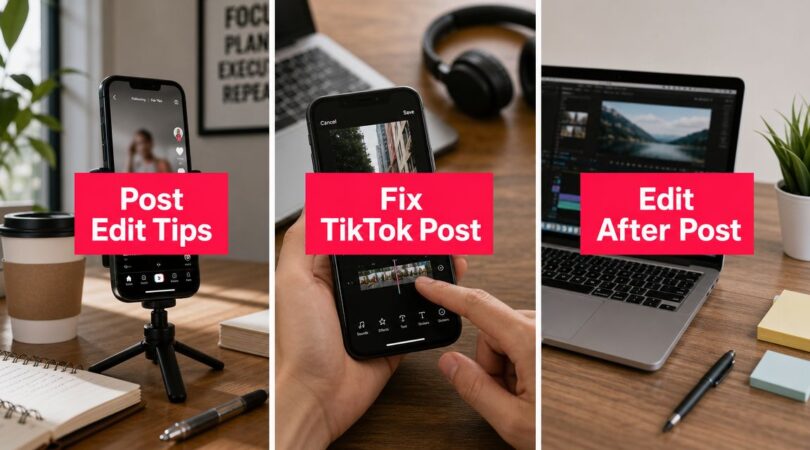
You can't edit the video file itself after a TikTok is posted. You can still change some post details, including the description and cover once per day within 7 days, and location for up to 180 days, but anything that changes the actual creative usually means replacing the post.
That's the part that stings when you spot a typo right after launch. Maybe the cover says “20% off” when the offer ended. Maybe the spoken CTA mentions the wrong URL slug. Maybe it's just a misspelled product name in the caption and your team is trying to decide whether to touch the post at all.
For brands, this isn't just a platform question. It's a campaign decision. TikTok gives you a narrow correction window for metadata, but it locks the core asset once it's live. So the core decision is figuring out whether the issue is small enough to leave alone, fixable inside TikTok, or serious enough to justify deleting and reposting even though that means starting the post over.
Table of Contents
The Bad News and The Good News About Editing Live TikToks
The bad news is simple. TikTok does not allow direct editing of the uploaded video file after posting. TikTok's own guidance points creators toward workarounds like creating a new version with overlays, Duets, Stitches, or deleting and re-uploading. It also warns that a reposted version will reset views and likes on the new post, which changes the equation for any brand campaign that already has traction (TikTok Shop help on post-publish editing limits).

That means you can't go back into a live TikTok and trim the first second, swap the music, fix a text overlay, or replace a clip. If the problem lives inside the creative itself, the platform treats that post as finished.
What the good news actually looks like
Not every mistake requires a full do-over. The good news is that TikTok separates the creative asset from some of the post-level details. In practice, that gives social teams a short window to correct presentation issues without throwing away the live post.
A useful perspective is:
- Creative problem: Wrong on-screen price, bad subtitle baked into the video, audio issue, incorrect product shot.
- Metadata problem: Caption typo, weak cover image, missing location.
Only the second category has a chance of being fixed in place.
Practical rule: If the error changes what the customer believes, buy, or remembers, treat it as a creative problem, not a copy edit.
Why this matters for brand workflow
TikTok's editing tools are built mainly for pre-publish production. Its help materials focus on things like transitions, text, Magic effects, and overlays during the editing stage before the clip goes live. That's why experienced teams put the final QA checkpoint before upload, not after.
For a brand manager, the implication is calm but important. Once the post is live, you're no longer asking, “How do we edit this?” You're asking, “Can we fix this without replacing it, and if not, is replacing it worth the cost?”
What You Can Officially Edit on a Live TikTok Video
If you need the shortest operational answer, open the post, tap the three-dot menu, and look for Edit post. TikTok's post-publish options are narrow. According to creator tutorials demonstrating the in-app flow, users can edit the description and cover once per day within 7 days of posting, and location for up to 180 days (creator walkthrough of TikTok edit post limits).
The editable fields that matter
Here's the quick reference many content managers need when a post is already live.
| Element | Can You Edit It? | Time Limit & Notes |
|---|---|---|
| Description | Yes | Once per day and only within 7 days of posting |
| Cover | Yes | Once per day and only within 7 days of posting |
| Location | Yes | Editable for up to 180 days after posting |
| Video file | No | Not editable after posting |
| Added music | No | Requires a replacement post if it must change |
| Effects and on-screen creative | No | Locked once the post is live |
How to use the edit window well
For brands, the description edit matters most when the issue is small but public-facing. A typo in a product name, a missing branded hashtag, or awkward copy in the caption can often be corrected fast enough that the campaign doesn't lose momentum.
The cover edit is more strategic than many teams realize. If the live frame is off-brand, hard to read, or visually weak, changing the cover can improve how the post looks on your profile and in campaign recaps. That's useful when a video is staying pinned or supporting a product launch.
The location field matters less for every campaign, but it can matter a lot for retail activations, local events, or regional creator work.
Edit the fields TikTok still gives you, then stop. Once teams start trying to force a bigger fix into a metadata problem, they usually waste time and still end up reposting.
What stays locked
The line to remember is this: metadata can have a limited edit window, but the actual video creative does not.
That includes the parts brand teams usually want most when something is wrong:
- On-screen text
- Music or sound selection
- Effects
- Captioning baked into the video
- Clip order and timing
If your team regularly publishes creator content, this is also why it helps to review style references and examples from active creator profiles such as Aesthetic Beauty Edit's TikTok-focused content portfolio before launch. Strong examples won't change TikTok's limits, but they do reduce the odds of shipping a post that needs rescue.
Smart Workarounds When an Edit Is Non-Negotiable
Some mistakes are too expensive to leave live. If the post contains the wrong offer, a compliance issue, a misnamed product, or a creative error that changes customer understanding, the practical method is to save the existing video, delete the original, edit externally, and re-upload. TikTok's own support materials point creators toward that workflow for changes the platform doesn't support after publishing, and the catch is that the repost becomes a new asset, which can interrupt accumulated engagement and attribution (TikTok support on editing videos and photos).

The replacement workflow that actually works
When a correction can't wait, use a clean sequence:
Identify the exact issue first
Don't delete in a panic. Write down what's wrong and what must change. Teams often find that one issue is urgent while three others are merely annoying.Save the original asset
Keep a copy before you take anything down. If comments include useful audience language or objections, save those too for internal notes.Edit outside TikTok
Use a real editor like CapCut, InShot, or a desktop NLE. This is the right move when the fix affects timing, overlays, subtitles, or visual accuracy.Re-upload as a corrected post
Treat it as a fresh launch, not as a technical correction. Rewrite the caption with the corrected intent and pick the cover carefully.
A creator profile like Alex Digital Mama's sample work is a good reminder of what polished short-form looks like before publish. The less you rely on in-app rescue tactics, the better your campaign holds up under pressure.
When a follow-up post is smarter than a deletion
Deleting isn't always the best fix. Sometimes the cleaner move is to keep the original live and add context around it.
Two TikTok-native options can help:
- Stitch or Duet your own post to add a clarification or correction
- Publish a follow-up “updated info” post that explains the change plainly
This works especially well when transparency helps more than perfection. If a creator misspoke about a product detail but the original post is already attracting comments and shares, a clear follow-up can preserve the momentum while correcting the record.
Here's a practical demo to pair with that decision-making process:
What brands should avoid in a correction sprint
A few common mistakes make the situation worse:
- Changing multiple things at once. If you're reposting, fix the critical issue first. Don't use the crisis to recut the whole concept unless you have a strong reason.
- Forgetting the comments. If the original drew customer questions, capture them before deletion.
- Hiding the correction internally. Paid social, creator, and community teams need the same version of the truth fast.
If the original post already has audience response that matters, preserve that context before you remove anything. The comments often tell you how to frame the corrected upload.
The Brand Manager's Dilemma Should You Repost or Let It Go
In this scenario, platform mechanics intersect with brand judgment. Reposting fixes the asset, but it also wipes out the social proof attached to the original post. If the issue is minor, replacing the post can cost more than the mistake itself. If the issue affects trust, leaving it up can be the bigger error.

When it usually makes sense to leave it alone
Small errors often aren't worth resetting a live post. Examples include a light caption typo, a slightly awkward cover choice, or a spoken stumble that doesn't change the message.
Ask one question: Would a reasonable customer misunderstand the offer, product, or brand because of this mistake? If the answer is no, leaving it alone is often the stronger move.
Typical “let it ride” situations:
- Minor grammar issue that doesn't affect meaning
- A visual imperfection most viewers won't notice
- A non-critical phrasing mistake in the spoken delivery
- An off-brand but acceptable cover when the post is already performing
When reposting is the responsible choice
Some mistakes create business risk, not just aesthetic discomfort. Those deserve action even if the post loses momentum.
Repost if the live TikTok includes:
- Incorrect pricing or promo information
- Wrong product name or variant
- Misleading claim in on-screen text
- Compliance or disclosure issue
- A CTA that sends viewers in the wrong direction
If your team manages creator-heavy programs, that decision gets easier when everyone shares the same standard for what counts as a fix-now error. Platforms like JoinBrands are useful because they centralize briefs, approvals, and creator collaboration, which makes it easier to catch these issues before they hit your profile.
Brand trust is harder to rebuild than engagement is to restart.
A simple decision filter
Use this internal test before anyone deletes a post:
| Question | If Yes | If No |
|---|---|---|
| Does the error change customer understanding? | Repost or publish a correction | Consider leaving it live |
| Can TikTok's edit options solve it? | Fix in place | Move to workaround options |
| Will the error create support or legal headaches? | Correct immediately | Monitor and document |
| Is the team reacting mostly because the post looks imperfect? | Slow down and reassess | Act only if the issue is substantive |
The best social teams don't aim for zero mistakes. They aim for consistent judgment under pressure.
How to Build a No-Regret TikTok Workflow
A brand manager usually finds post-publish problems at the worst possible moment. The post is live, comments are coming in, paid support may already be attached, and someone spots a typo in the third frame. The way to protect the campaign is to make that scenario rare through process, not heroics.

Build one final checkpoint before upload
Set a real approval gate before anything goes live. One person creates the post. A different person checks it in the TikTok posting view, where caption, cover, line breaks, tagged handles, and CTA are visible together. That catches the mistakes teams miss in editing software.
The review should answer a few practical questions:
- Does every on-screen claim match the current offer?
- Does the caption use the right product name, promo terms, and links or handles?
- Is the cover readable in profile view on a phone screen?
- Does the audio still fit the message and sound clean?
- Is this scheduled to the right account, at the right time, with the right approval status?
This takes minutes. It can save a post from deletion, a support spike, or a legal review.
Use drafts as an approval stage
Drafts work best when they mark a handoff. They become risky when they sit in limbo and everyone assumes someone else checked the final version.
A cleaner workflow looks like this:
- The editor exports the final asset and names it clearly
- A brand reviewer checks claims, text, and offer accuracy
- A social lead watches the post once with sound and once muted
- The final approver signs off on the caption, cover, and CTA in the TikTok app
- The post goes live only after that sign-off is documented
Teams running creator content need the same discipline. Reviewing examples from Alex Creates Content's creator profile can help your team define what "ready to publish" means across hooks, pacing, proofing, and brand safety.
Keep a short checklist for high-risk posts
Not every TikTok needs a long approval chain. A trending reply video can move fast. A product launch, offer-based post, or creator ad needs tighter controls because the cost of a mistake is higher.
Use a short checklist before publishing those higher-risk posts:
- Read every word in the exported video
- Check pricing, dates, and promo details against the live landing page
- Preview the cover in grid view
- Confirm the CTA matches the campaign goal
- Save the editable project file so a replacement can be produced quickly if needed
Good workflows do more than prevent typos. They help the team make calmer decisions under pressure, because the standard is already set before anything goes live.
Frequently Asked Questions About Post-Publish Edits
Can I edit the TikTok video file after it's live?
No. Once a TikTok is published, you cannot swap out the video file, trim a scene, fix on-screen text, or replace audio inside that live post.
For brands, that means every error falls into one of two buckets. Metadata problems, like a caption or cover issue, may be fixable in-app. Asset problems inside the video require a new upload and a decision about whether the correction is worth losing the post's current momentum.
Can I fix a typo in the caption after posting?
In some accounts, yes. TikTok has offered post-publish edits for items like captions and covers, but availability can vary by account, region, and app version. If the edit option appears, make the change carefully and check the post again before closing the app.
Treat that option as helpful, not guaranteed. If your campaign depends on correcting pricing, legal language, or a product name, confirm what the app will let you change before promising stakeholders an easy fix.
What if the problem is in the video itself?
That becomes a replacement call. Correct the source file in your editor, export a clean version, and decide whether to repost based on business impact.
A minor subtitle typo usually does not justify resetting engagement. A wrong date, invalid offer, missing disclosure, or incorrect product claim usually does.
Should I delete the original right away?
Only if the live post creates real risk. That includes inaccurate pricing, legal exposure, brand safety issues, or a message that could mislead customers.
If the mistake is small and the comments are healthy, leaving the post up is often the better move. Brands lose more by panicking over minor imperfections than by letting a harmless typo pass. In some cases, a pinned comment or follow-up video can clarify the issue without sacrificing the traction the original post already earned.
Can I still edit a draft?
Yes, and that is where teams should do their heavy checking. Drafts give you room to catch text errors, review the cover, confirm the CTA, and make sure the final post matches the campaign brief before anything goes live.
That discipline matters more than any post-publish workaround.
If your team wants fewer last-minute TikTok mistakes, faster creator approvals, and a cleaner path from brief to published content, JoinBrands is worth a look. It gives brands one place to manage creators, review deliverables, and tighten the workflow before a post goes live, which is exactly where most TikTok editing problems are easiest to solve.