




 How to Promote Mobile App and Skyrocket Your Downloads
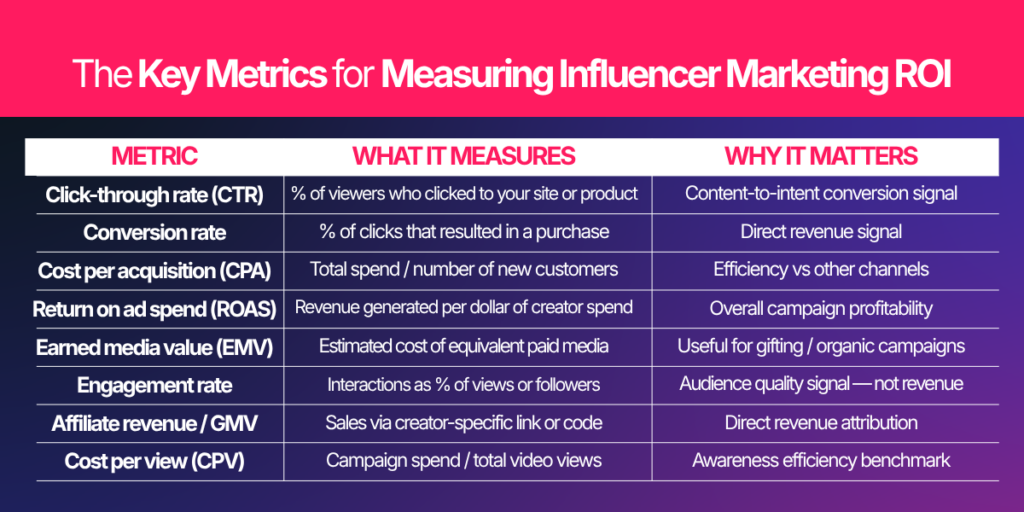
Most brands measure influencer campaigns by likes, follower counts, and reach. These numbers are easy to report and easy to misread. A creator with a million impressions and a 0.3% click-through rate delivered nothing for your bottom line. A creator with 8,000 followers and a 6% conversion rate on their affiliate link might have been your best-performing channel that quarter.
Measuring influencer marketing ROI correctly means tracking the metrics that connect to revenue. This guide covers what to track, how to calculate it, and what good performance looks like by platform and campaign type. If you are still selecting creators, first read our guide on how to choose the right influencer for your brand — the right creator selection is the first variable in any ROI equation.
Table of Contents
Why Influencer Marketing ROI Is Hard to Measure (And How to Fix It)
Two structural problems make influencer ROI hard to track. The first is attribution: a customer who sees a creator’s TikTok, clicks through to your site, bounces, then finds you via Google search three days later — which channel gets credit? The second is content lifespan: a creator’s post may drive traffic for weeks after it goes live, making immediate ROI calculations incomplete.
The fix is to set up tracking before the campaign launches. Every creator collaboration should have a unique tracking mechanism in place before any content goes live. This applies whether you are running a creator marketing content campaign, a gifting campaign, or a TikTok Shop affiliate program.
How to Calculate Influencer Marketing ROI: The Formula
The standard ROI formula applies directly to influencer campaigns:
ROI = (Revenue Generated – Campaign Cost) / Campaign Cost × 100
Example: A brand spends $2,000 on a creator campaign (creator fees + product cost). The campaign generates $8,000 in tracked revenue via affiliate codes and UTM links.
ROI = ($8,000 – $2,000) / $2,000 × 100 = 300%
For non-direct-response campaigns, use earned media value as a proxy: calculate what the same reach and engagement would have cost in paid social advertising, and compare that to your actual campaign spend. See our full guide on how to measure content performance for a complete walkthrough of the calculation.
How to Track ROI by Campaign Type
Creator Marketing / Content Campaigns
Use UTM parameters on all links in the brief. Track clicks, sessions, and conversions in Google Analytics. Measure ad performance separately once the content runs as a paid creative — for example, when creator content is turned into a TikTok Spark Ad or a Meta dark post. Compare creator content CTR against your existing branded ad creative baseline.
Affiliate and TikTok Shop Campaigns
Affiliate campaigns are the easiest to track — every sale is directly attributed via the creator’s unique link or promo code. TikTok Shop provides GMV data per affiliate directly in the platform. For setup guidance, see our TikTok Shop affiliate program guide.
Gifting and Organic Campaigns
Use brand mention monitoring to track posts, reach, and engagement. Calculate earned media value by comparing the creator’s organic reach cost to equivalent paid reach on the same platform. Track any organic traffic lift in Google Analytics during and after the campaign. See how to measure reach correctly so your EMV calculations are accurate.
Sponsored Posts and Paid Partnerships
Request post insights from the creator: reach, impressions, saves, and profile visits. Track any link clicks via UTM. If the content is boosted as a paid ad, track paid performance metrics separately from the organic post.
JoinBrands tracks campaign performance, content delivery, and creator results in one dashboard. Start measuring what actually matters. joinbrands.com/brands
What Good ROI Looks Like: Benchmarks by Platform
| Platform | Avg. Engagement Rate | Avg. CTR (creator content) | Strong ROAS Benchmark |
| TikTok | 5–9% (micro-creators) | 1.5–3% | 3x–6x for e-commerce |
| Instagram Reels | 3–6% (micro-creators) | 0.8–2% | 2x–4x |
| Amazon listing video | N/A | +10–25% page conversion lift | Direct revenue lift |
| Meta (creator dark post) | N/A | 1.5–4% vs 0.9% avg branded | 3x–8x for DTC brands |
How to Set Up Tracking Before a Campaign Launches
Every campaign needs these tracking elements in place before any creator posts:
- Unique UTM parameters per creator. Use Google’s Campaign URL Builder to create trackable links for every creator. Include campaign name, creator handle, and platform. This is how micro-influencer campaign ROI gets measured at scale.
- Creator-specific promo codes. Even if you run a sitewide discount, give each creator a unique code. This tracks orders directly to the creator without relying on click attribution.
- Pre-campaign baseline data. Record your current site traffic, conversion rate, and revenue per channel before the campaign launches. This lets you isolate the campaign’s actual impact.
- 30-day post-window tracking. Define a 30-day window after content goes live as the attribution period. Content drives traffic for weeks — cutting measurement off at 7 days understates performance.
JoinBrands connects directly with TikTok Shop so you can manage outreach and track every creator campaign from one dashboard. See how it works
Ready to run campaigns you can actually measure? JoinBrands gives brands full campaign management, creator content delivery, and performance tracking. joinbrands.com/brands