

 A Guide to Omnichannel Marketing Strategy
When we talk about marketing for beauty, we're not just talking about pretty packaging and a cool logo anymore. To make a real impact in 2026 and beyond, you have to build a genuine community and connect with people on a much deeper level. Success today demands a sharp, data-backed strategy that weaves authentic storytelling into a powerful digital presence. It’s the only way to cut through the noise in this incredibly crowded market.
Table of Contents
The State of Beauty Marketing in 2026
The beauty industry isn't just growing; it's rocketing forward. This creates huge opportunities, but only for the brands that can think and act fast. Before you can even start planning, you need a solid grasp of where the market stands right now. The numbers alone tell a pretty compelling story.
The global beauty market is on track to hit an incredible $590 billion by 2030. With a steady 5% annual growth rate, it’s one of the strongest performers in consumer goods. This boom isn't just in one niche; it's across the board – cosmetics, hair care, fragrance, you name it. If you want to dig deeper into the data, McKinsey's beauty market analysis is a great resource.
This chart breaks down the key figures driving the industry's momentum, highlighting everything from its total projected value to how dominant skincare has become.

Here's a quick look at the core numbers that should be on every beauty marketer's radar.
Key Beauty Market Growth Indicators for 2026
A snapshot of the most critical market statistics shaping beauty marketing strategies.
| Metric | Value/Growth Rate | Strategic Implication |
|---|---|---|
| Global Market Size | Projected $590 Billion by 2030 | Massive opportunity, but also intense competition. Small brands can still win big. |
| Annual Growth Rate | 5% Annually | Indicates a stable, expanding market ripe for investment and innovation. |
| E-commerce Penetration | Over 20% of Sales | A strong online presence is non-negotiable. The digital shelf is the main shelf. |
| Skin Care Dominance | ~40% of Total Market | The largest segment, driven by demand for efficacy and "skinimalism." |
| Influencer Marketing | $20+ Billion Industry | Creator partnerships are a primary channel for discovery and trust-building. |
These figures confirm that we're in a stable, high-growth environment. The challenge isn't finding an audience; it's earning their attention and trust.
The Digital Shelf Is the New Frontier
The massive shift to online shopping has completely rewritten the playbook. While brick-and-mortar stores definitely still have a place, the digital shelf is where most people now discover, research, and buy their beauty products.
Think about the customer journey. It might start on TikTok, where a potential customer sees a viral video of your product's unique texture. They click through to your site, binge-read customer reviews, and check out user-generated photos before finally adding it to their cart.
Practical Example: A shopper sees a GRWM (Get Ready With Me) video from a creator using your vitamin C serum. Intrigued, they tap the TikTok Shop link. They land on your product page and see an "As Seen On" section featuring more creator videos. They read reviews from verified buyers and notice your brand replies to questions. This seamless, content-rich path is what converts browsers into buyers.
That seamless path from discovery to conversion is what defines winning in beauty today. Your e-commerce presence isn’t just an option – it’s the heart of your business. The goal is to make that experience as engaging and frictionless as possible across every single touchpoint.
Understanding the Modern Beauty Consumer
Today’s beauty shopper is smarter and more demanding than ever. They don’t just buy products; they invest in brands that match their values and actually deliver on their promises. This fundamental shift has huge implications for how you approach your marketing.
Here’s what they expect:
- Proven Efficacy: Shoppers want to see real results. That means clear ingredient lists, transparent claims, and authentic reviews from real people.
- Authenticity and Values: Consumers are drawn to brands with a clear mission. Whether it's sustainability, radical inclusivity, or ethical sourcing, they want to know what you stand for.
- Personalization: The one-size-fits-all approach is dead. People expect product recommendations and content that speak directly to their unique skin type, concerns, and lifestyle.
Pro Tip: Talk to your customers directly. Run polls on Instagram Stories asking, "What's your biggest struggle with [your product category]?" or "What ingredient are you most excited about right now?" Create a small focus group of your most loyal buyers and offer them a gift card for a 30-minute Zoom call. This direct line to your community is absolute marketing gold.
Defining Your Brand and Ideal Customer

Here's where so many beauty brands trip up right out of the gate. They get excited about products and ads but forget the most crucial first step: figuring out who you are and who you’re talking to. This isn’t just marketing fluff; it’s the bedrock that separates a one-hit-wonder from an iconic brand.
Let’s be real. The market is saturated. Your unique identity is your only real competitive edge. And no, “clean” or “vegan” isn’t enough to make you stand out anymore. Your story, your mission, and the specific problem you solve for a very specific person – that’s what cuts through the noise.
Moving Beyond Basic Demographics
Knowing your customer is 30 years old and lives in New York is table stakes. It’s barely scratching the surface. To build a brand people truly connect with, you have to go deeper into their psychographics. We're talking about their beliefs, their anxieties, their secret hopes, and what drives them to pull out their credit card.
You need to get inside their head. Ask yourself:
- What are their biggest frustrations with the beauty products they already use?
- What does their real daily routine look like, and how does beauty fit in (or not)?
- What are they actually watching and listening to? Think specific influencers, podcasts, or blogs.
- What do they genuinely care about? Is it sustainability, hard science, or pure self-expression?
Getting these answers is like being handed a secret key. Suddenly, you can create messaging that feels like you’re reading their mind and products that feel like they were made just for them. Your marketing stops being a sales pitch and starts being a genuine conversation.
Pro Tip: Become a lurker. Seriously. Go spend an hour in the comment section of a competitor's TikToks. Join a Reddit forum like r/SkincareAddiction. You’ll find raw, unfiltered opinions and pain points straight from the source – it’s pure gold. Search for phrases like "I wish there was a…" or "I'm so tired of…"
Crafting a Powerful Customer Persona
Once you've done the digging, it’s time to build out a customer persona. This isn't a boring, generic profile. You need to create a character sketch of a real, living, breathing person. Give her a name. A job. A story.
Let’s imagine we’re launching a brand focused on simple, no-fuss skincare for busy professionals. Our persona might look something like this:
Persona Name: "Stressed-Out Samantha"
- Who she is: A 32-year-old project manager who feels like she's always on the clock.
- Her pain point: She’s completely overwhelmed by those 10-step skincare routines she sees on Instagram. She doesn’t have the time or the energy for that. She's tired of the hype and just wants something that actually works.
- Her goal: She needs to look and feel confident for her client meetings, but her routine has to be fast. Like, under-five-minutes fast.
- Where she hangs out: Listens to career-focused podcasts on her commute, follows lifestyle influencers who talk about burnout and balance, and skims articles on Forbes.
This level of detail is a major advantage. It gets your whole team on the same page. Every marketing email, every product launch, every social post can be filtered through a single, powerful question: "What would Samantha think?"
Building a Brand Story That Connects
With a crystal-clear picture of Samantha, you can now craft a brand story and value proposition that speaks directly to her. This is your "why." It's the soul of your brand, the thing that makes you memorable and gets people talking.
The strongest value propositions in beauty tap into a deep emotional need.
- Fenty Beauty: "Beauty for All." A simple, powerful message of inclusivity that instantly resonated with millions who felt completely overlooked by the industry.
- Glossier: "Skin first, makeup second." They built a massive community by empowering customers who wanted a more minimalist, authentic approach to beauty. It worked – nearly 80% of their growth came from friend referrals, proving the power of a shareable story.
This story isn't just for your "About Us" page. It needs to be the common thread woven through your social media bio, your ad copy, your email newsletters, and the content your creators make. It’s the consistent pulse that builds a strong, recognizable, and deeply loved brand.
Building Your Omnichannel Marketing Engine
Your customers don’t live on a single channel, so why should your marketing?
Think about it. They might spot your new serum on a TikTok creator’s feed, get hit with a retargeting ad on Instagram while scrolling later, and finally click “buy” after an email lands in their inbox. A solid omnichannel marketing engine makes that entire journey feel seamless and intentional.
This isn't just about posting everywhere. It's about making your channels talk to each other. The real goal is a unified experience where every touchpoint – from social to email to paid ads – works together to guide your customer from "what's this?" to "I need more" without a single awkward bump.
Let’s get into the core channels that make up a modern marketing playbook for beauty.
Master Short-Form Video on Social Media
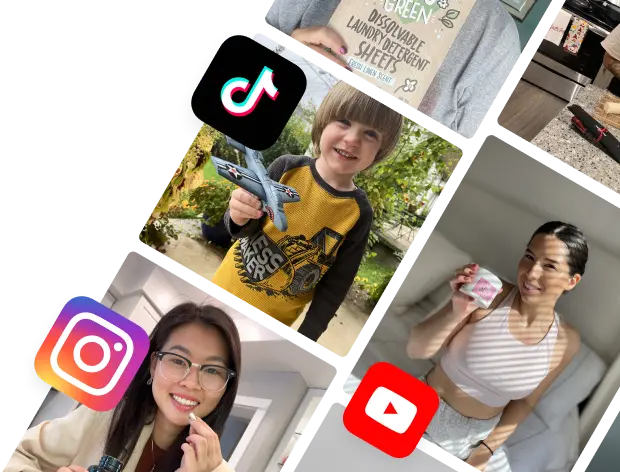
In the beauty world, showing always wins over telling. Short-form video is your best tool for the job. Platforms like TikTok and Instagram Reels aren't just nice-to-haves anymore; they're the main stage for discovery and building a real connection with your audience.
Your video strategy needs to be laser-focused on showing off your product’s value in a way that stops the scroll. Forget basic product shots and think more like a creator.
- Texture Showcase: Dedicate a content pillar to just the satisfying feel of your products. The rich foam of a cleanser, the silky glide of a serum, the perfect blend of a foundation – these are pure visual gold.
- GRWM ("Get Ready With Me") Takeovers: Hand the keys over to micro-creators and let them show how your products fit into their actual daily routines. The more real it feels, the better it works.
- Problem/Solution Reels: This format is a classic for a reason. Use the "if you struggle with this, you need this" approach. Show a common pain point like dull skin, then demo how your vitamin C serum is the answer, complete with compelling before-and-afters.
Pro Tip: Put the fancy camera away. Your phone is your best friend here. Overly polished, studio-shot videos can feel totally out of place and sterile on platforms like TikTok. A more lo-fi, authentic vibe – shot with good lighting and clear audio – is what feels native to the feed and builds trust.
Drive Conversions with Targeted Paid Ads
Organic social is for building your community, but paid advertising is how you scale your reach and generate predictable revenue. For any DTC beauty brand, Meta (Facebook and Instagram) and TikTok are where you’ll get the most bang for your buck.
A huge mistake I see brands make is throwing money at generic ads aimed at a massive, undefined audience. The secret to a high Return on Ad Spend (ROAS) lies in smart segmentation and retargeting.
Here’s a practical campaign flow that just works:
- Top of Funnel (Awareness): Run video ads featuring a creator your audience loves using your hero product. Target a broad audience interested in beauty, skincare, and even your direct competitors. The only goal here is getting video views and planting a seed.
- Middle of Funnel (Consideration): Now, retarget everyone who watched at least 50% of that first video. Hit them with a carousel ad packed with your best user-generated content (UGC), 5-star reviews, and glowing testimonials. This is all about building social proof.
- Bottom of Funnel (Conversion): Finally, go after the low-hanging fruit: people who visited your site or added a product to their cart but bailed. A simple, direct ad offering 10% off their first order or free shipping is often the perfect nudge to get them over the finish line.
The explosion of social commerce is undeniable. Online beauty sales are growing a staggering nine times faster than traditional retail. We're seeing this play out with massive double-digit growth in major markets: +21% in North America, +20% in Asia Pacific, and +10% in Europe in the last year alone. This shift highlights just how critical a sharp digital strategy is for survival and growth.
Nurture Relationships with Email Marketing
Social media is rented land, but your email list? That’s an asset you own. It's your direct line to your customers, where you turn a one-time buyer into a loyal, repeat fan.
Your email strategy shouldn't just be a string of random promotional blasts. It needs to be a smart system of automated flows that trigger based on what your customers actually do.
- The Welcome Series: Don't just send a coupon code and call it a day. Use a 3-5 part email sequence to tell your brand story, introduce your bestsellers, and share what you stand for. Practical Example: Email 1: Welcome & brand mission. Email 2: Founder story. Email 3: Top 3 bestsellers with social proof.
- The Abandoned Cart Flow: Someone who adds a product to their cart is screaming "I'm interested!" A timely email reminder – maybe featuring a top customer review for that exact product – can easily recover a huge chunk of those would-be lost sales.
- The Post-Purchase Education Flow: Once a customer buys, your job isn't done. Follow up with tips on how to get the best results from their new product. If they bought a retinol serum, send them an email explaining how to introduce it into their routine to avoid irritation. This adds real value and proves you’re an expert, not just a seller.
When you weave these channels together, you create a powerful, self-sustaining ecosystem that fuels growth. It’s an essential framework for any beauty brand that wants to not just compete, but dominate. For a deeper explore making these touchpoints work in harmony, check out our guide on building an effective omnichannel marketing strategy.
Scaling with Creator and UGC Marketing

In the beauty world, trust is everything. Glossy ads are fine, but they don't build authentic belief the way content from real creators and happy customers can. That's where creator partnerships and user-generated content (UGC) come in – they're the fastest way to turn your brand from just another product on the shelf into a community people rally behind.
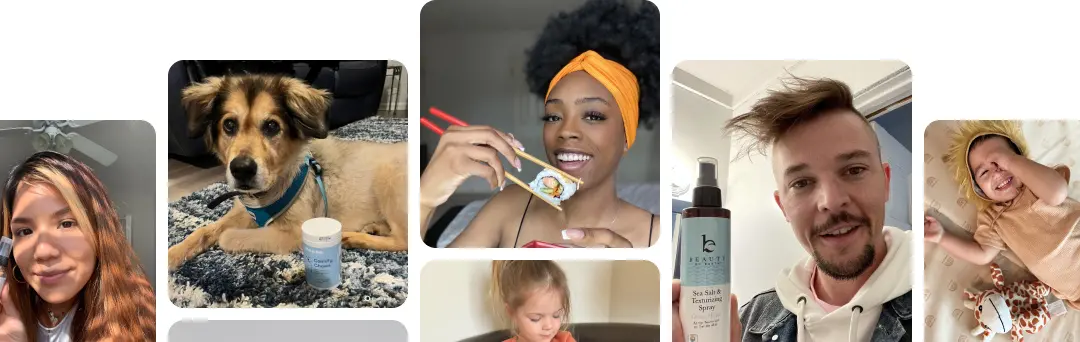
This isn't about one-off paid posts. It's about building a genuine army of advocates who love what you do. When you realize a staggering 69% of consumers trust influencer recommendations over polished brand ads, you see why this is a non-negotiable part of any modern beauty marketing plan.
Finding the Right Creator Partners
First things first, you need to find creators whose audience and vibe match yours. And no, it’s not always about chasing the biggest follower counts. Some of the most potent partnerships come from micro-influencers (those with under 50,000 followers) who often have sky-high engagement and a super tight-knit community.
To really get how to scale your brand with user-generated content, you have to understand the creator's world. For a peek behind the curtain, you can check out this great piece on how to thrive as an influencer in the digital age.
I like to think about partners in tiers:
- Micro-Influencers (10k-50k followers): These are your UGC goldmines. Their posts feel like a recommendation from a trusted friend, perfect for getting people to seriously consider a purchase.
- Mid-Tier Influencers (50k-500k followers): Here you get a great mix of wide reach and solid engagement. They're ideal for launch campaigns or driving a big spike in traffic.
- Macro-Influencers & Experts (500k+ followers): Use these folks strategically. Think of them as your broadcast channel for massive brand awareness pushes.
To make this whole process manageable, a creator marketing platform is your best friend. It lets you sift through thousands of creators by niche, engagement rates, and audience demographics, saving you from an endless scroll-and-search headache.
The Power of Skincare in Creator Marketing
The opportunity with creator marketing gets even bigger when you look at the industry's largest segment: skincare. That market is on track to jump from $162 billion in 2025 to over $222 billion by 2030. That’s not just growth; it’s an explosion.
This boom is fueled by a consumer obsession with results and personalization – exactly what creators are incredible at showcasing. Platforms like JoinBrands connect you with a pool of over 250,000 creators, making it easier than ever to tap into this trend. You can get more insights on the booming skincare market on Tricoci University's blog.
Writing a Campaign Brief That Inspires
Once you’ve found your perfect partners, the campaign brief is the next critical piece. A great brief gives clear direction but doesn't suffocate creativity. It should feel like a collaborative guide, not a list of demands.
A vague brief gets you off-brand content. An overly strict one gets you robotic, boring posts that just don't land. The goal is to give creators the key messages and guardrails, and then let them do what they do best.
Pro Tip: Your brief's "Don'ts" are just as important as the "Do's." For example, if you're a vegan brand, a key "Don't" would be "Do not show our product next to any non-vegan items." Another great example is to tell creators, "Don't use any filters that alter skin texture – we want to see real skin!" This simple clarity prevents mistakes that could seriously damage your brand's integrity.
A solid brief ensures everyone is on the same page and you get content that truly works. To really nail this down, check out our complete guide on https://joinbrands.com/blog/find-beauty-influencers/.
Turning Creator Content Into High-Performing Ads
The content your creators make is way too valuable to just sit on their feed for a day. The real magic happens when you repurpose this authentic UGC into powerful paid ads. Creator content almost always outperforms slick, branded creative because it feels native and trustworthy when someone is scrolling.
Here are a few ways to get started:
- TikTok Spark Ads: This is a major advantage. It lets you boost a creator’s organic post directly from their account. You get the creator's social proof combined with TikTok's powerful ad targeting. It's a win-win.
- Meta Ad Creative: Take the best UGC clips and edit them into Reels-style ads for Instagram and Facebook. Test different hooks, calls-to-action, and on-screen text to find what really clicks with your audience.
- Testimonial Ads: This is one of my favorites. Stitch together short clips of several creators raving about your product. It creates a powerful montage of social proof that is incredibly persuasive for shoppers who are close to making a decision.
By building a strong creator and UGC program, you’re doing more than just buying ads. You're building a sustainable engine for trust, advocacy, and scalable growth.
Measuring Performance and Optimizing for Growth

Great marketing for beauty isn't a "set it and forget it" game. It's a living, breathing process of tracking what works, learning from what doesn't, and constantly tweaking your approach. If you actually want to scale, you have to stop guessing and start making decisions based on cold, hard data.
This means getting obsessed with the key performance indicators (KPIs) that truly signal the health of your brand, not just the vanity metrics that look good on paper. Without a clear picture of your performance, you’re basically flying blind, burning cash on campaigns without knowing which ones are bringing in real, paying customers.
Identifying Your Core Beauty KPIs
In a sea of data, it’s easy to get lost. For a DTC beauty brand, there are really only three numbers that form the financial backbone of all your marketing.
- Customer Acquisition Cost (CAC): This is your total cost to get one new customer. Just divide your total marketing spend by the number of new customers you brought in over a set time. A low CAC means you're getting new customers on the cheap.
- Lifetime Value (LTV): This is the total amount of money you can expect a single customer to spend with you over their entire relationship with your brand. A high LTV is the holy grail – it means you've got amazing products and happy, loyal customers who keep coming back for more.
- Return on Ad Spend (ROAS): This one's simple: for every dollar you spend on ads, how many dollars in sales do you get back? It's a direct pulse check on your ad profitability.
Pro Tip: A healthy DTC beauty brand should be aiming for an LTV to CAC ratio of at least 3:1. This means for every dollar you spend to acquire a customer, you can expect to get three dollars back over their lifetime. If your ratio is any lower, you're probably either overspending to get customers or you have a serious retention problem on your hands.
Building Your Performance Dashboard
You don’t need some crazy-expensive analytics platform to get started. Honestly, a simple spreadsheet or a basic dashboard in a free tool like Google Data Studio can be a total major advantage. The goal is just to see your most important numbers in one place so you can spot trends quickly.
Pro Tip: I always tell brands to track their main KPIs weekly. Daily numbers will drive you insane with all the little fluctuations, but a week gives you enough data to see real patterns. For example, create a simple weekly report tracking Ad Spend, New Customers, CAC, and Revenue. Then look for connections – did that viral Reel you posted on Monday actually lower your CAC for the week? That's where the magic happens.
Understanding which marketing touchpoints lead to a sale is crucial. If you want to go deeper on this, our post on what attribution modeling is breaks down how to connect your marketing efforts directly to results.
A Framework for Continuous Optimization
Once you're tracking everything, you can finally start making things better. The best way to do this is with a simple, repeatable cycle: Analyze, Hypothesize, Test, and Implement.
First, analyze your dashboard. Find the weak spots. Maybe your email open rates are tanking, or your ad click-throughs have hit a wall.
Next, hypothesize why it's happening. Form a clear "if-then" statement. For example, "If we change our email subject lines from being about the product to being about the benefit, then our open rate will go up because it answers the customer's 'what's in it for me?' question."
Then, you test it. Run a classic A/B test. Send the old version (A) to one chunk of your email list and the new version (B) to another. Make sure you have enough people in the test to get a real answer.
Finally, you implement. If your new version won, roll it out to everyone. If it bombed, that's fine – document what you learned and move on to the next test.
This constant loop of testing and learning is the real engine of sustainable growth. To truly boost your numbers and turn one-time buyers into loyal fans, you have to nail your customer retention and build powerful loyalty strategies for growth. This is how you transform marketing from a simple expense into your brand's most powerful investment.
Common Beauty Marketing Questions Answered
I get asked the same questions over and over by beauty founders, whether they're just starting out or have been in the game for a while. The beauty space moves incredibly fast, and it’s easy to get overwhelmed.
So, let's skip the fluff. Here are some straight-up answers to the most common questions I hear from brands trying to make their mark.
How Can a New Beauty Brand Stand Out?
The beauty market is beyond saturated. The key isn't to be just another "clean beauty" brand – that's table stakes now. Your real advantage comes from getting hyper-specific and owning a niche completely.
Practical Example: Instead of being a broad "skincare for sensitive skin" brand, become the go-to brand for "probiotic skincare that calms redness for people living in polluted urban environments." Or instead of just being "sustainable makeup," become "the first zero-waste, refillable lipstick system." Specificity creates a tribe.
Your other massive advantage is authenticity. Forget big, polished campaigns for now. Use micro-influencers and raw user-generated content from real customers who are genuinely obsessed with your products. This one-two punch of a unique angle and real-world advocacy is how you find your footing against competitors with way bigger budgets.
What Is More Important: Video or Images?
You absolutely need both, but let's be real: short-form video currently has the clear edge for discovery and driving sales in beauty. It’s just the best format for showing off what makes beauty products so compelling online.
Use quick videos on TikTok and Instagram Reels to capture a product's unique texture, show exactly how to apply it, and share those incredible before-and-after transformations.
At the same time, high-quality static images are non-negotiable for your product pages, detailed email campaigns, and just making your website look professional and trustworthy. A winning strategy uses video to grab attention and images to back it up with quality and detail.
How Much Should a Small Brand Budget for Creators?
You don't have to break the bank to get started. Honestly, you can see real results without a huge upfront investment.
Start with a simple product-gifting program. This gets your products into the hands of creators and generates that initial, organic buzz. Then, set aside a small test budget for paid collabs with micro-influencers (those with under 50,000 followers).
Pro Tip: When you're just starting, micro-influencers are your best bet. Their engagement rates are often much higher, and they're far more affordable. I recommend aiming to partner with 5-10 micro-influencers per month. Track everything with unique discount codes to see the direct impact on sales. This data will justify a larger budget later.
Once you see a consistently positive Return on Investment (ROI) from these smaller tests, you'll have the confidence and the data to scale up your spending.
Is TikTok Shop Essential for Beauty Brands?
For almost every DTC beauty brand I've worked with, the answer is a hard yes. TikTok has blown past being just a discovery platform; it’s now a full-blown social commerce engine.
The path from a creator's video straight to checkout is so seamless that it’s converting viewers into customers at a rate we haven't seen before.
Practical Example: A creator posts a video showing how your concealer covers their acne without looking cakey. Viewers can tap the orange shopping cart icon directly on the video and buy it without ever leaving the app. The friction is almost zero. This is a powerful sales funnel that traditional e-commerce struggles to replicate.
Ignoring it is like deciding not to open a storefront in the world's busiest mall. Using TikTok Shop Affiliates, in particular, is a major advantage. It gives you an army of salespeople who only get paid a commission when they actually make a sale for you. It's become a non-negotiable channel for growth.
Ready to connect with a network of over 250,000 creators and scale your brand's social presence? JoinBrands provides the tools you need to find the perfect partners, manage campaigns, and drive sales with authentic content. Get started at JoinBrands.