
 Rights Management Systems: A 2026 Guide
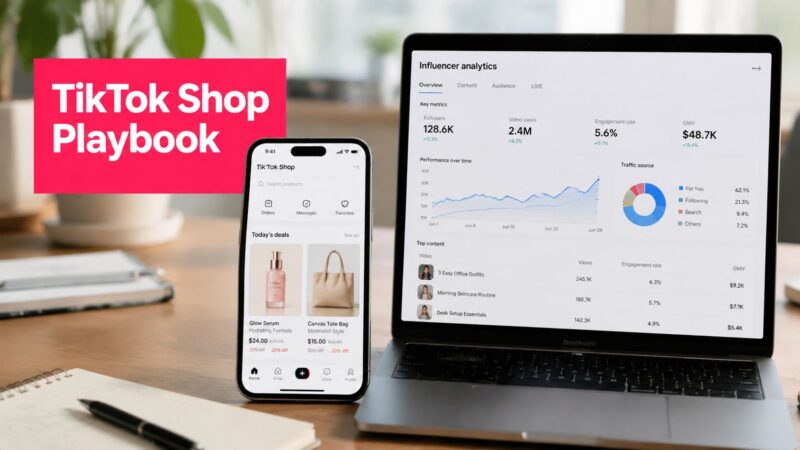
Top-performing TikTok Shop campaigns now rely on targeted creator collaborations achieving 8% to 12% conversion rates, compared with just 2% to 4% for open casting calls. The difference comes from selecting creators for product fit and purchase history, then matching each creator to the format, commission, and paid media role they can execute well.
TikTok Shop influencer marketing has moved beyond awareness campaigns. It combines discovery, recommendation, product evaluation, and checkout inside one commerce environment, so the creator isn't merely generating attention. The creator is often the person who turns interest into an attributable order.
The practical implication is straightforward: treat TikTok Shop as a performance channel with creative partners, not as a gifting program with affiliate links attached. Your operating model needs reliable product pages, intentional creator selection, format-specific briefs, commission logic that protects margin, and reporting that separates organic sales from paid amplification.
Table of Contents
Why TikTok Shop Is Changing the Influencer Game
More than 2 million creators globally have earned affiliate commissions through TikTok Shop, according to market analysis of TikTok shopping data. In the same analysis, 61.2% of marketers used TikTok influencers in 2025, and TikTok influencer marketing spending reached $2.35 billion, up 87.4% from 2024. Those figures point to a channel that now needs operating discipline, not occasional creator seeding.
TikTok Shop brings discovery, evaluation, and checkout into one platform. A viewer can find a product through a creator's video or LIVE, open the listing, and purchase without visiting another website. Seller tools then connect creator activity to GMV, items sold, creator-generated revenue, and commission.
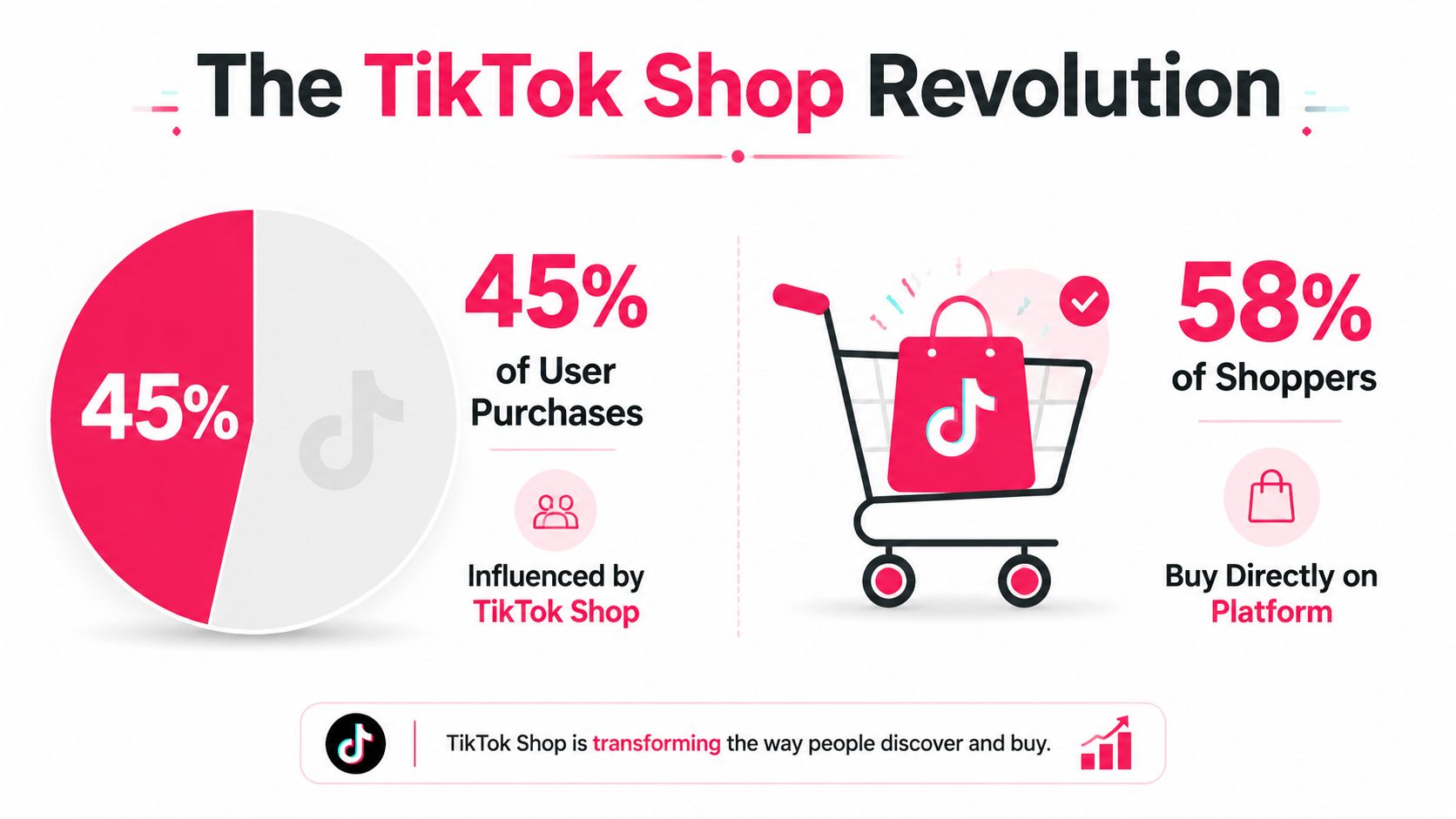
The commerce loop is different
TikTok Shop gives brands three connected performance levers: organic affiliate content, LIVE selling, and paid amplification through Spark Ads. Short videos can create demand, LIVE sessions can handle objections and demonstrate the product in real time, and Spark Ads can extend winning creative beyond its initial organic reach. Each format has a different cost, conversion role, and commission implication.
A separate analysis of TikTok Shop purchasing behavior found that 44.7% of purchases were driven by influencer collaborations and content. It also reported that 58% of users said TikTok was a source of shopping inspiration, while 71.2% of TikTok shoppers purchased when they found something interesting in their feed or Stories.
The practical lesson is clear. A polished awareness post can lose to an ordinary demonstration if the demonstration answers purchase questions and keeps the product tag close to the decision. Measure which creator, product, and format generate profitable orders, not just views.
Practical rule: Report creator-level revenue, units sold, refunds, commissions, and product performance before increasing reach.
TikTok Shop also makes creative testing more accountable. Compare tutorials, unboxings, product comparisons, LIVE demonstrations, and Spark Ads against sales outcomes. That evidence should guide creator selection, briefs, commission structures, and media allocation.
Building Your Affiliate Program Infrastructure
Affiliate growth stalls when the operating backend is unclear. Before recruiting creators, confirm that your catalog, inventory, fulfillment, product pages, commission rules, and reporting can handle traffic generated by external partners.
Start with the product. Choose SKUs that are easy to demonstrate, simple to explain, adequately stocked, and profitable after affiliate compensation. Strong content cannot rescue a weak listing. Review the title, images, variations, delivery information, reviews, offer, and product claims before outreach begins. If the page leaves purchase questions unanswered, creator traffic will expose that weakness quickly.
Set commission rates with paid media in mind
TikTok Shop separates the standard commission rate for organic affiliate sales from the Shop Ads commission rate for ad-supported orders. Sellers can set Shop Ads commission rates from 1% to 80%, according to TikTok's guidance on different affiliate commission rates.
Use the distinction to price two different contributions. A creator posting an evergreen organic video may receive the standard rate. A creator producing content approved for Spark-style paid amplification can receive a separate Shop Ads rate that accounts for paid distribution and the media plan.
For a product with durable organic demand, a conservative standard rate may protect margin. A stronger Shop Ads rate can apply when the creator agrees to produce content suitable for paid use. Set both rates from contribution margin, refund exposure, fulfillment costs, and target acquisition economics. A competitor's public offer is a reference point, not a pricing model.
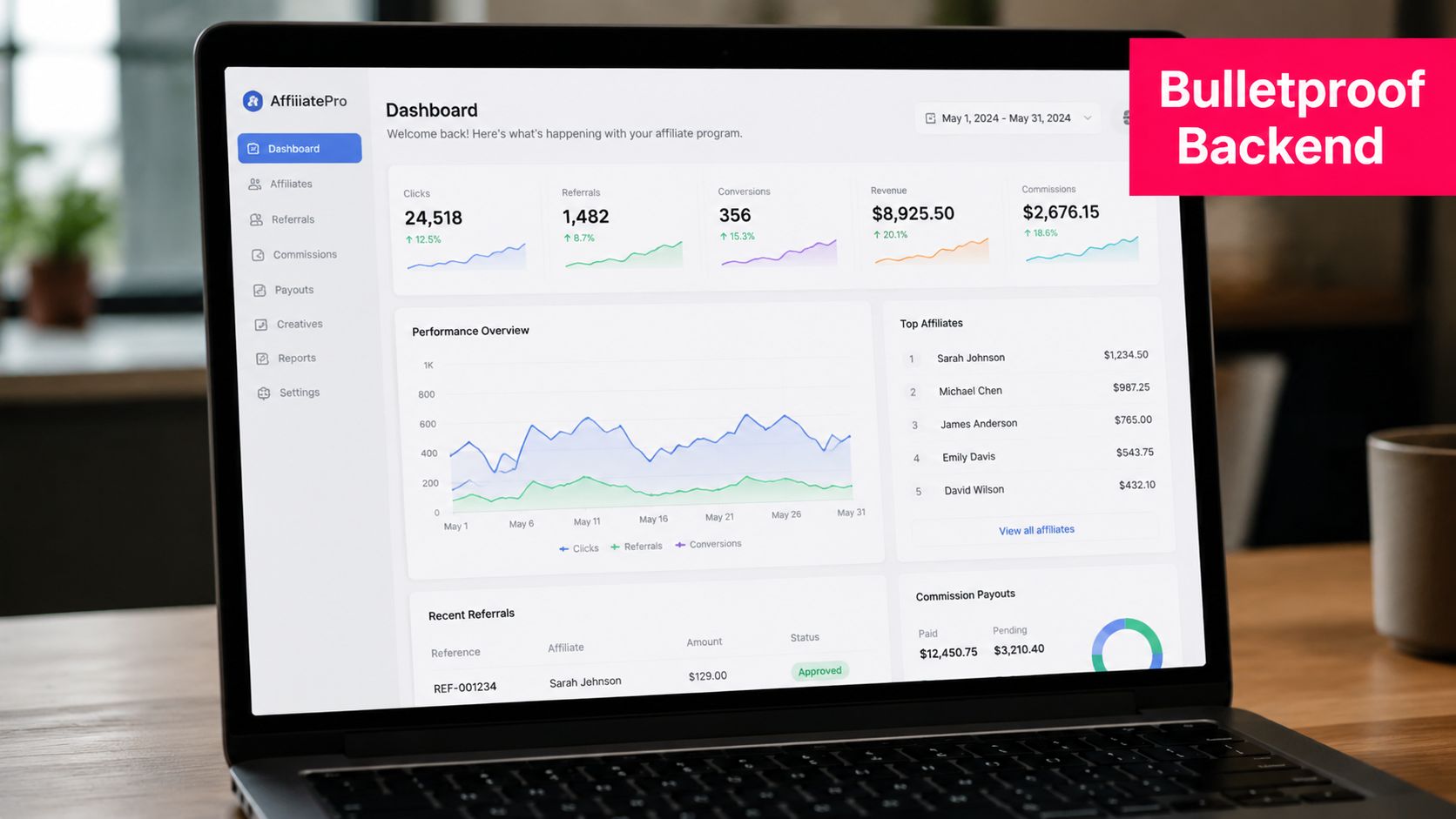
Make the rules easy to operate
TikTok defines affiliate commission as Commission = (Revenue – Refunds) x Commission rate. Its seller commission documentation also explains that estimated commission is not final. Final earnings are typically paid 15 days after delivery, so creators need clear expectations and brands need to plan cash flow around refunds and settlement timing.
Write the operating rules before creators join:
- Product scope: List eligible SKUs, bundles, variations, and promotional offers.
- Organic versus paid usage: State whether creators grant Spark Ads permission and how paid usage changes compensation.
- Content standards: Specify disclosures, prohibited claims, tagging instructions, and approval requirements.
- Performance tiers: Reward verified sales quality rather than reach alone. Include refunds, stock availability, and repeatable content quality in advancement reviews.
- Payout expectations: Explain that refunds can reduce qualifying revenue and displayed estimates may change.
Good infrastructure keeps testing measurable. It shows whether weak results came from audience fit, creative execution, price, product availability, or the commission offer. That clarity lets brands allocate creator effort, Live commerce support, and Spark Ads spend according to profitable orders rather than attractive engagement.
Sourcing and Vetting High-Performing Creators
Open casting fills your creator list quickly, but many applicants have never sold your category. Target recruitment produces a stronger starting pool. Find creators whose existing content answers buyer questions, then test whether they can turn attention into attributable action.
Start with category behavior, not follower count. Search for creators demonstrating comparable products, reviewing adjacent brands, addressing objections, or publishing shopping-oriented content. A skincare educator may suit a treatment product better than a broad lifestyle creator. A home-organization creator may explain utility more clearly than a high-visibility fashion account.
Evaluate evidence of commercial ability
TikTok seller reporting can show products added to a creator showcase, videos posted, LIVE videos, GMV generated, refunded revenue, units sold, and estimated commission. Use these fields to create a practical vetting record, then judge the quality and consistency of the activity rather than one unusually strong result.
Look for patterns:
- Product alignment: Does the creator naturally use the category, or would the promotion feel borrowed?
- Demonstration skill: Can they show the product solving a problem instead of reciting features?
- Purchase behavior: Do their videos and LIVE sessions generate attributable sales?
- Audience response: Do comments ask about fit, ingredients, setup, quality, or availability?
- Operational reliability: Do they follow briefs, tag products correctly, and say when an offer does not suit their audience?
The strongest prospect may have modest reach and a concentrated, commercially relevant audience. Large view counts can hide weak performance if viewers do not click, add to cart, or purchase.
Separate video talent from LIVE talent
A creator who makes an effective short-form ad may still struggle to host LIVE. Short-form rewards quick hooks, concise editing, and replayable demonstrations. LIVE selling requires stamina, improvisation, objection handling, product knowledge, and the ability to keep conversation moving as the audience changes.
Build two recruiting pools. One should focus on creators who produce native-feeling shoppable videos. The other should prioritize proven LIVE hosts who can demonstrate products repeatedly without sounding scripted. Invite targeted creators first, use open collaboration to surface unexpected talent, and move credible performers into a deliberate relationship.
Evaluate paid amplification at the same time. A creator whose organic video earns sales may also be a strong Spark Ads candidate, but paid usage changes the value of the asset and should be reflected in the commission or usage terms. The best program connects creator selection, LIVE capability, and amplification potential rather than optimizing for reach alone.
Leveraging Live Commerce for Higher Conversions
Short-form video remains important, but LIVE deserves its own commercial plan. Benchmark data places standard affiliate video conversion at roughly 3% to 6%, while LIVE shopping sessions convert at roughly 5% to 12%, according to TikTok Shop affiliate benchmark analysis.
That gap doesn't mean every product belongs in a LIVE. It means format selection should reflect buyer intent. A quick demonstration may be enough for a simple, low-consideration item. Products that need explanation, comparison, troubleshooting, or reassurance can benefit from a host who answers questions in real time.
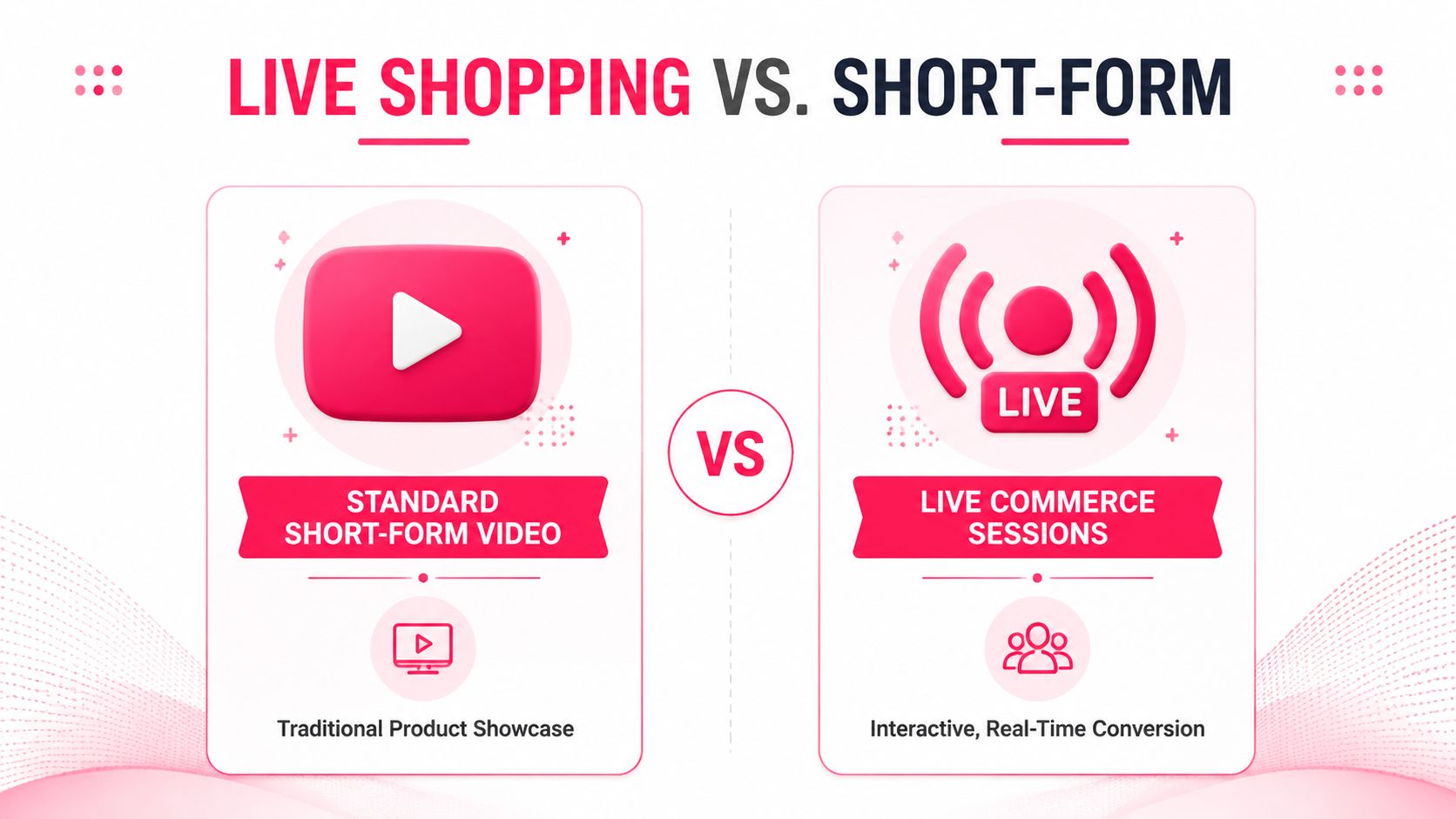
Match the host to the selling job
Recruit LIVE creators for behavior, not just audience size. A capable host can introduce the problem, demonstrate the product, compare options, respond to objections, repeat the offer without creating fatigue, and direct viewers to the product card at the right moment.
A useful LIVE brief includes:
- A sequence of products: Start with the easiest demonstration, then introduce products that need more explanation.
- Proof points: Give the host accurate benefits, usage instructions, limitations, and approved claims.
- Objection prompts: Prepare answers for price, compatibility, sizing, ingredients, shipping, and returns.
- Interaction cues: Tell the host when to invite questions, ask for comments, or revisit a demonstration.
- Inventory awareness: Confirm that the featured SKU and relevant variations are available before promotion.
Don't write a word-for-word script. A rigid script makes a LIVE feel like a commercial and leaves the host unable to respond naturally. Use talking points, demonstration checkpoints, and compliance boundaries instead.
Design the calendar around intent
Short-form posts can create discovery before a scheduled stream. The LIVE then gives interested viewers a place to ask questions and buy with more confidence. Afterward, save useful moments as organic clips and evaluate the session by GMV, units sold, refunded revenue, and creator commission rather than audience activity alone.
The broader market direction reinforces this operating choice. ContentGrip's TikTok Shop analysis reports that short-form video drove 50% of U.S. TikTok Shop sales in 2025, while live commerce grew from 10% of GMV in 2024 to 14% in 2025. The same analysis states that nine of the top ten U.S. TikTok Shop influencers by GMV relied primarily on live commerce.
That doesn't make video obsolete. It makes a single-format strategy incomplete. Use video for scalable discovery and creative testing, then assign LIVE to products and hosts capable of converting high-intent attention.
Amplifying Organic Hits with Spark Ads
Paid amplification should follow evidence, not precede it. Start by allowing creators to publish native affiliate content, then identify posts that generate meaningful product interactions and attributed orders. Once a post proves that its opening, demonstration, and product fit work organically, request the authorization needed to run it through Spark Ads.
The advantage is creative continuity. The paid placement retains the creator's identity, voice, post history, and social context instead of replacing the asset with a brand-produced advertisement. That can make the ad feel like an extension of the content buyers already chose to watch.
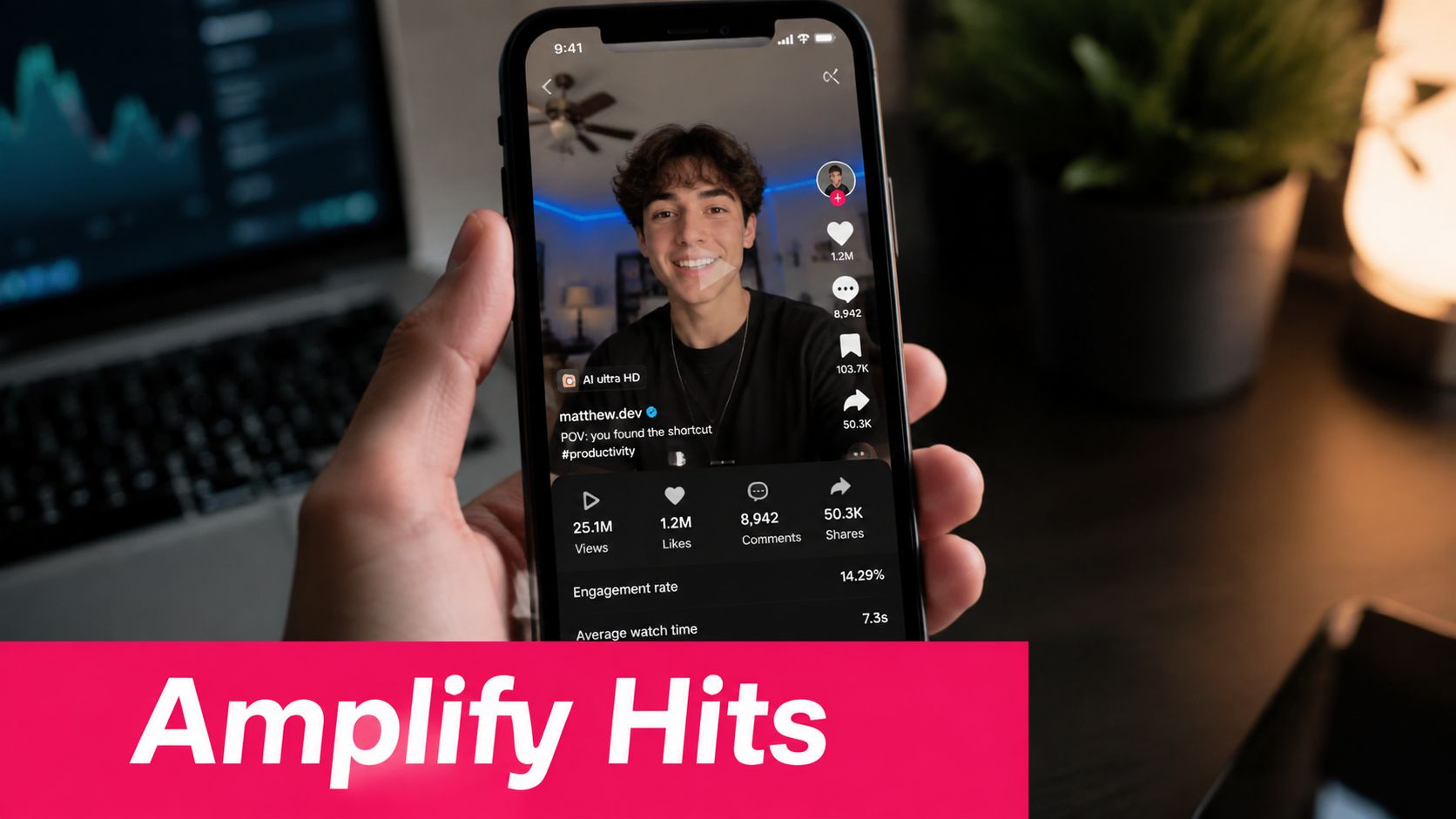
Use a controlled amplification workflow
A practical sequence looks like this:
- Publish organically: Give the creator a clear product brief, required disclosure, correct product tag, and enough freedom to make the content native.
- Review commercial signals: Compare clicks, product views, add-to-cart activity, orders, GMV, refunds, and commission by creator and SKU.
- Secure usage rights: Confirm the creator authorizes paid use and document the permitted duration, placements, edits, and account access.
- Launch carefully: Start with the proven post and a defined product objective. Avoid changing multiple variables at once.
- Protect the winner: Monitor comments, inventory, refund behavior, and contribution margin as spend increases.
Affiliate links extend this measurement beyond the native feed. TikTok says affiliate links can remain commission-capable for up to 100 days, can be shared off-platform, and generally follow the last-clicked link before checkout, as explained in TikTok's affiliate link guidance.
A creator can share a product link in TikTok, Instagram Stories, and a newsletter. The last-click rule means your team should use consistent tracking conventions and avoid assuming that the first exposure receives credit. Interpret platform attribution alongside your broader analytics rather than treating any single report as a complete customer journey.
A short walkthrough can help teams understand how native posts, authorization, and analytics fit together:
Streamlining Operations with JoinBrands
Creator recruitment only pays off when the operating process keeps pace. Late samples, changing product information, approvals buried in email, and unclear paid-use permissions can stall a promising campaign before the first sale.
A useful system connects the creator, eligible product, brief, rights, deadlines, and performance record. A campaign platform can support discovery, messaging, product delivery, approvals, and reporting. It cannot decide which products have enough margin, which creators can sell to the target audience, or when results justify more investment.
Build a repeatable creator workflow
Keep the workflow simple and accountable:
- Define the campaign objective and eligible SKUs.
- Filter creators by category, audience, content style, and commerce experience.
- Send a brief covering product claims, tags, disclosure requirements, and delivery expectations.
- Track sample delivery and content milestones in one workspace.
- Review drafts for brand safety, product accuracy, and conversion intent.
- Record usage rights before activating Spark Ads or other paid amplification.
- Compare attributed GMV, refunds, units sold, and commission by creator and SKU.
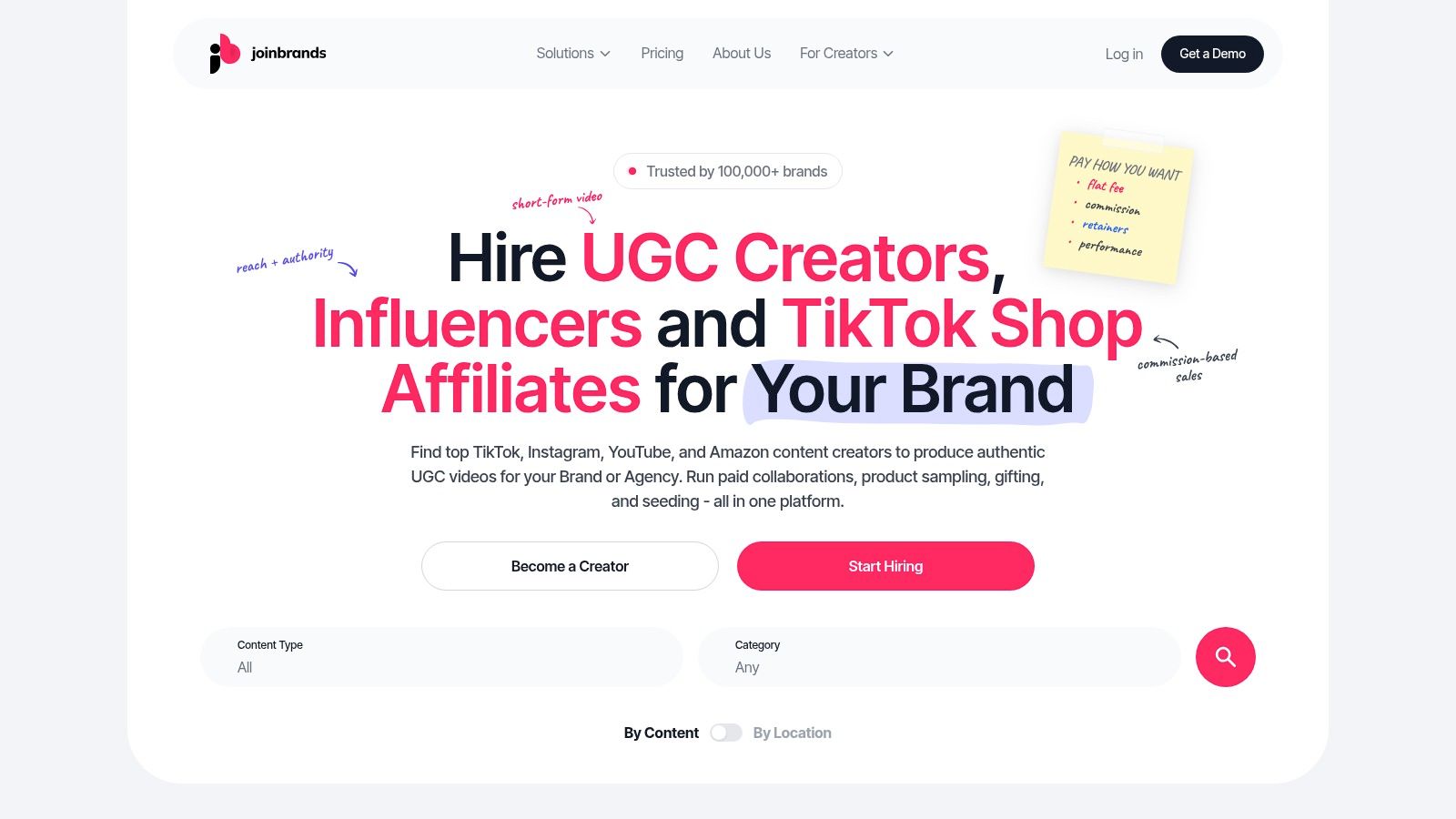
JoinBrands offers creator matching, campaign management, product delivery coordination, content review, creator communication, and tools for activating creator assets in paid formats. Its TikTok Shop workflow fits teams that want recruitment and execution managed in one operating layer instead of scattered spreadsheets, inboxes, and asset folders.
Keep technology subordinate to decisions
Automation works best after the rules are clear. Use filters to narrow the creator pool, then review recent content and actual selling behavior. Treat predictive reporting as a screening tool, and check whether its forecast accounts for refunds, stock limits, commission, and paid media costs.
The operating layer should reduce administration and return time to creator-product fit, LIVE programming, creative testing, Spark Ads decisions, and margin analysis. It should also support different commission structures for organic content, LIVE selling, and paid amplification, since each contribution carries a different cost and conversion role.
A larger creator list is not operational progress. If the platform does not improve selection, approvals, rights management, or accountability, it has added activity without improving performance.
Avoiding Common Pitfalls and Maximizing ROI
The costliest TikTok Shop mistakes usually come from paying for the wrong outcome, selecting creators by popularity, overlooking refunds, or scaling before the product page and fulfillment operation can handle demand.
Commission math matters. Gross sales do not equal commissionable revenue because refunds affect the amount used for commission calculations. A creator's estimated payout may change, and final earnings are generally settled after the delivery holding period described in TikTok's seller commission guidance.
Watch for these failure patterns
- Open casting without qualification: Broad access creates noise. Use targeted invitations when product fit and selling ability matter.
- Reach as the primary score: Views can rise while orders stay weak. Compare creator-generated revenue, units sold, refunds, and format.
- One rate for every contribution: Organic posts, LIVE selling, and paid Spark Ads serve different roles and carry different costs. Set commission rates accordingly.
- LIVE without preparation: Hosts need product knowledge, objection handling, confirmed inventory, and a clear run of show. LIVE can convert strongly, but weak preparation wastes traffic quickly.
- Unclear rights and disclosures: Secure paid usage permission and require transparent affiliate or commercial disclosures before publication.
- Premature scaling: A promising post does not prove that the listing, offer, creator, audience, and economics will scale together. Test those variables before increasing spend.
Track contribution margin, not affiliate volume. Include commissions, refunds, product costs, fulfillment, and Spark Ads spend in each creator or SKU review. A video that produces sales organically may still lose money after paid amplification.
Sustainable performance requires iteration. Keep creators and formats that produce repeatable commercial results, and cut partnerships that repeatedly fail on product fit, execution, or margin. JoinBrands can support creator matching, campaign workflows, product delivery coordination, content approvals, and performance tracking in one platform. The goal is a sales channel where creators, content, LIVE commerce, paid media, and margin reinforce one another.